Days out
Mersehead Caulkerbush
There’s so much to explore at Mersehead. We have freshwater pools, woodland, farmland, mudflats and a fabulous beach. Come by this autumn to see great flocks of wintering Barnacle Geese.


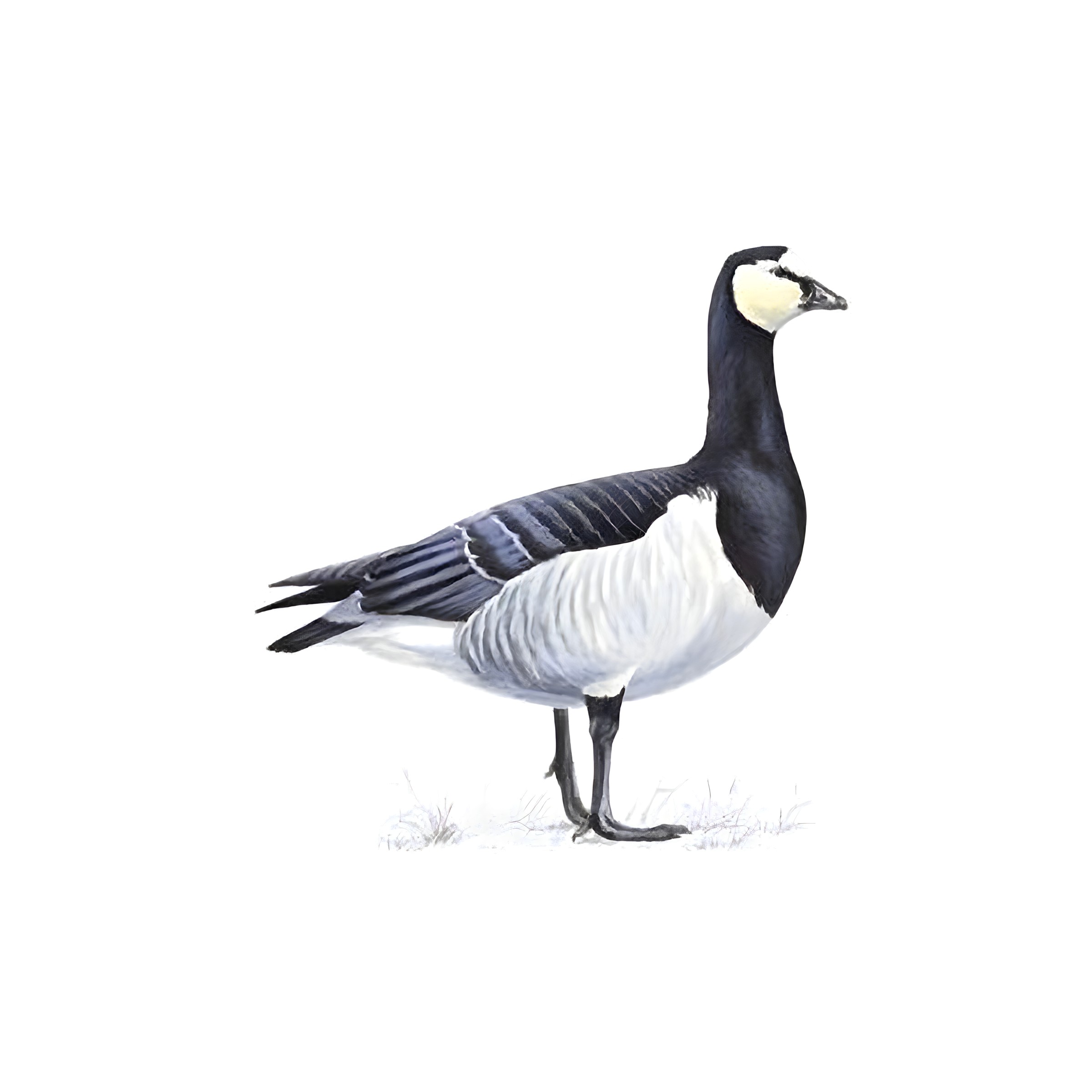
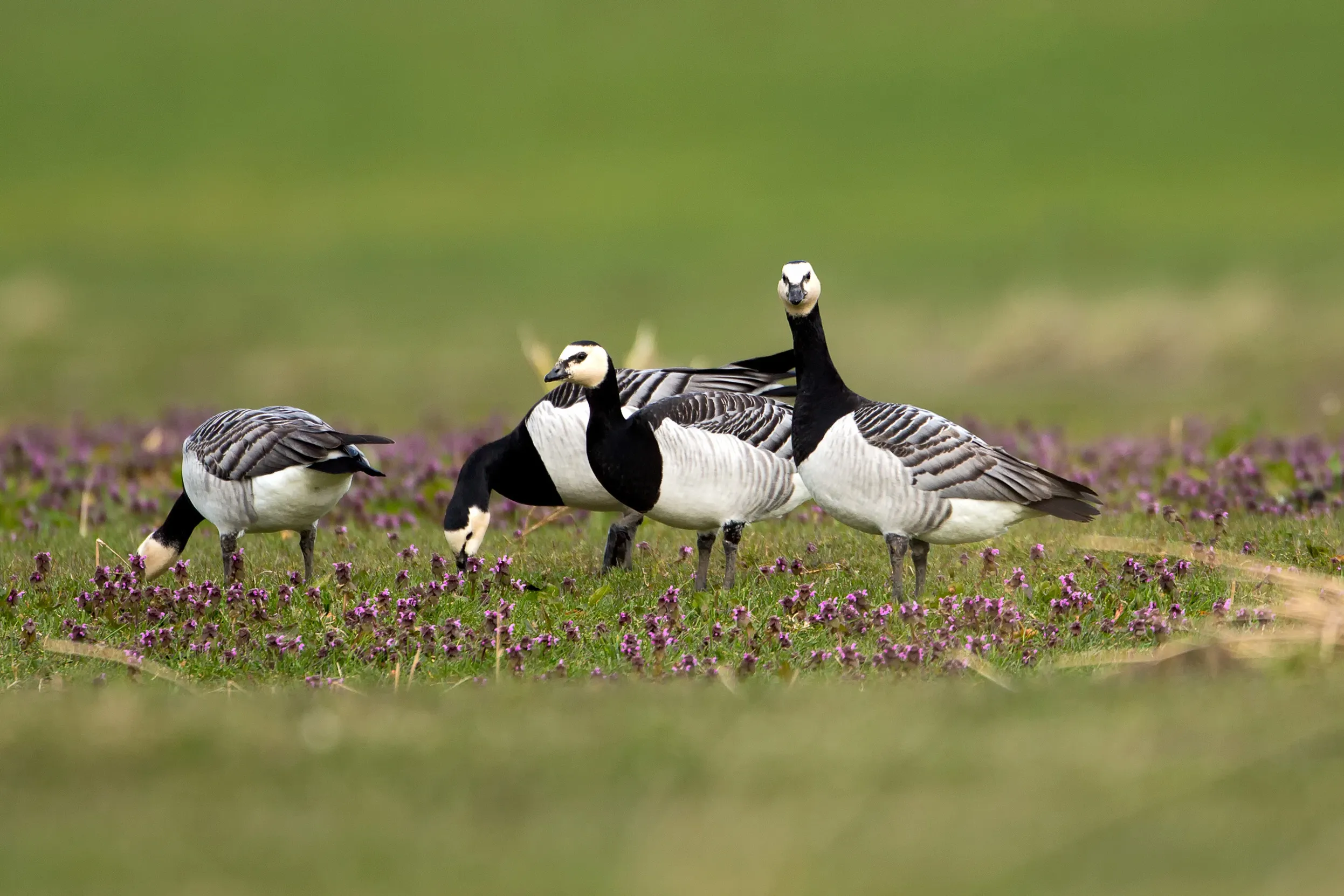
Barnacle Geese are on the Amber List.
Barnacle Geese gather in large, vocal groups, making them relatively easy to spot.
Wild Barnacle Geese only visit the UK in autumn and winter, migrating from Greenland and Svalbard to spend the colder months on coastal wetlands and estuaries in Scotland, northern England and Ireland. Feral birds can be seen year-round, nesting on gravel pits and lakes — but the real spectacle comes with autumn’s Arctic arrivals.

Head outside and discover fascinating birds each month. Read on for top ID tips, what to listen for, and where to see them.
.jpg)