There’s no such thing as a seagull – your guide to UK gull identification
A common sight on our coastlines and a summertime soundtrack, here’s a guide to the six most common UK gull species.


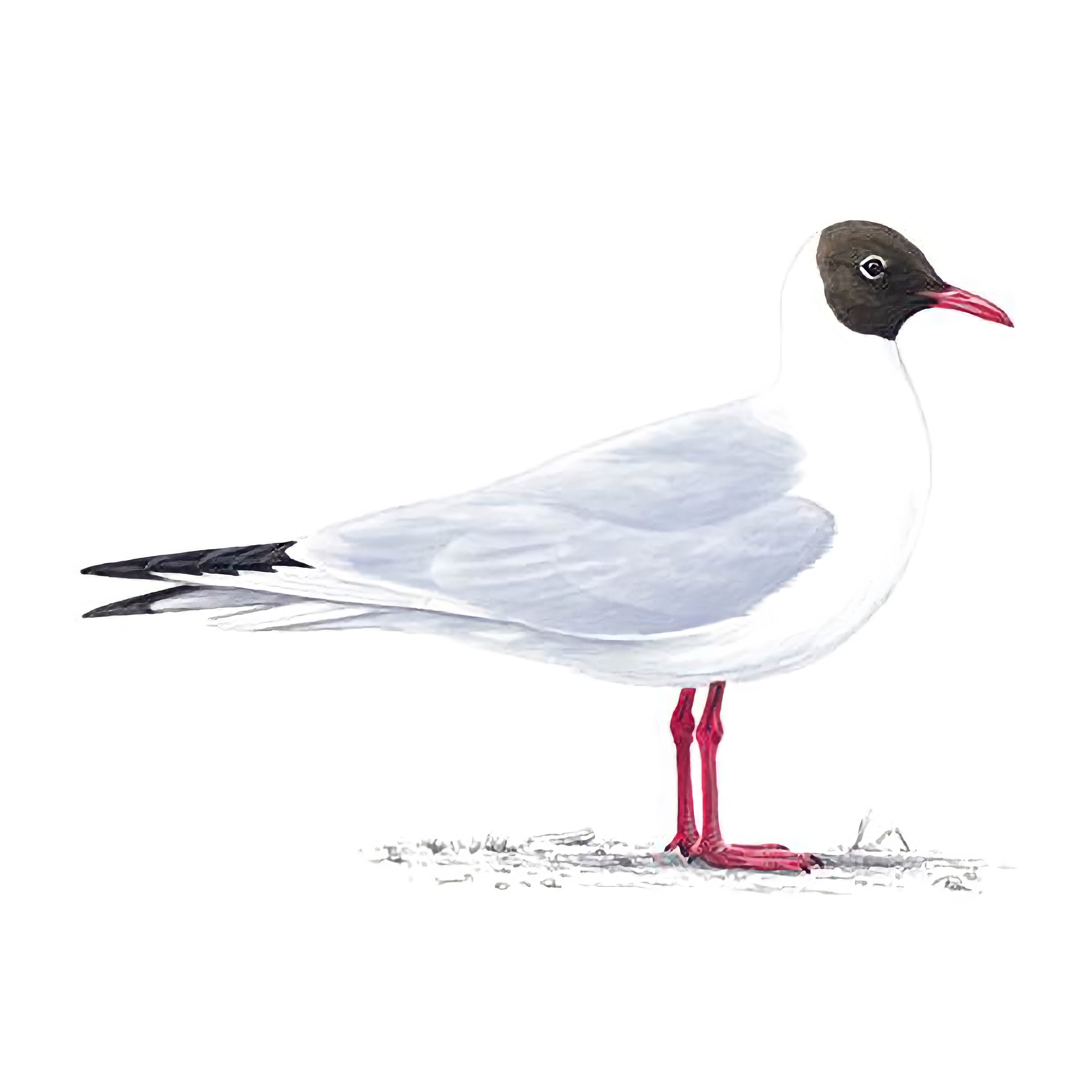

A common sight on our coastlines and a summertime soundtrack, here’s a guide to the six most common UK gull species.
Amber-listed. While population numbers are stable, they’re becoming increasingly absent through winter in areas of Wales, Ireland and Scotland.
Black-headed gulls can be seen all year round in the UK. You can see Black-headed Gulls almost anywhere inland, as well as near estuaries, reedbeds and gravel pits.

Sociable, a bit quarrelsome, and noisy, they feed on worms, insects, fish, and carrion.
Like other members of their family, Black-headed Gulls are adaptable, and these colonies are as at home on our coastlines as they are in our towns. Large groups of birds are often seen following tractors on our farmland, too.
Black-headed Gulls tend to nest on the ground in tightly packed colonies within dense vegetation. The female lays two or three eggs between April and May.
The scientific name for the Black-headed Gull is Chroicocephalus ridibundus. Which translates to ‘coloured head laughing gull’ based on their plumage and iconic call.

Head outside and discover fascinating birds each month. Read on for top ID tips, what to listen for, and where to see them.