Days out
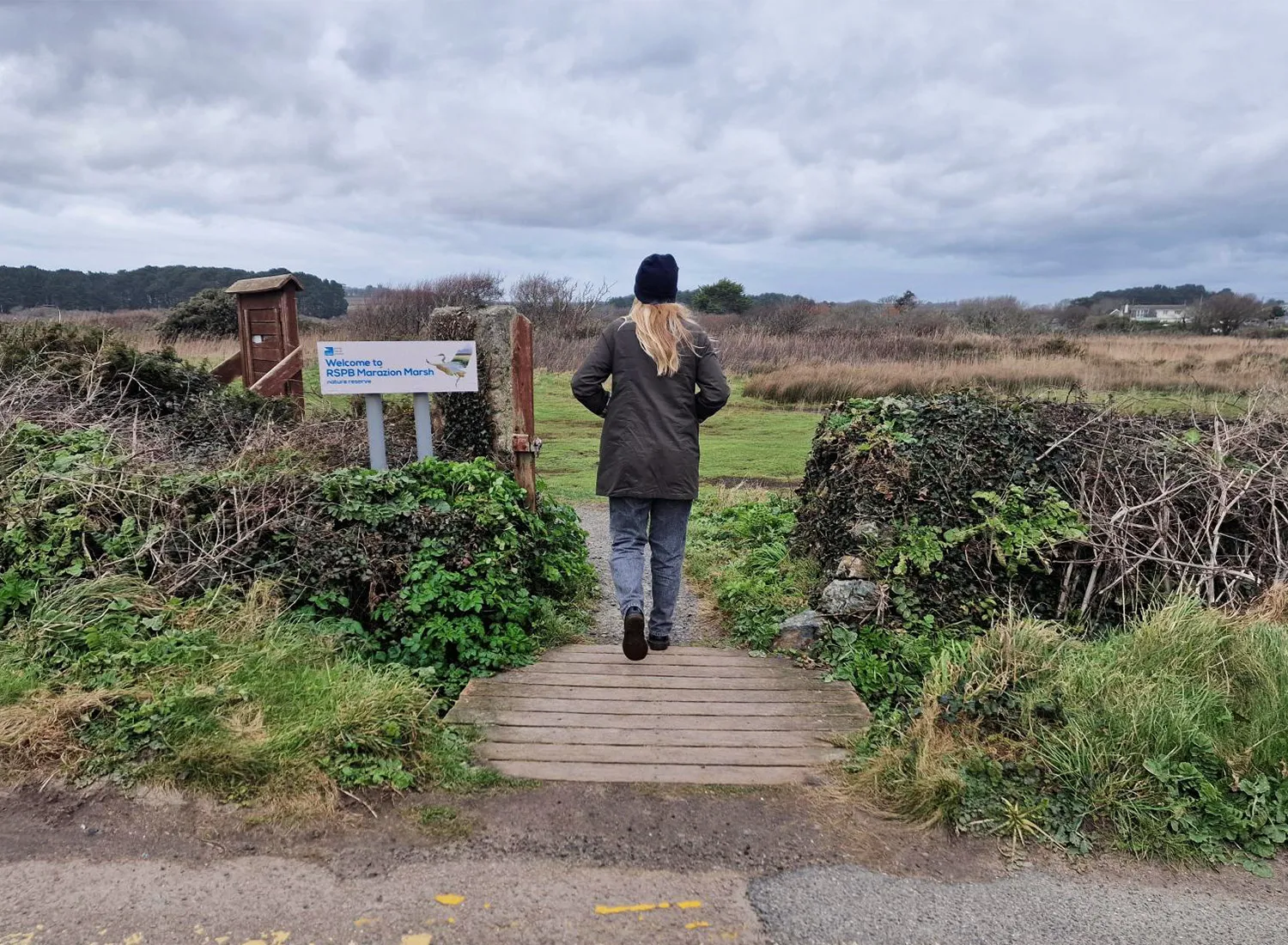
Marazion Marsh Longrock
Explore the whispering reedbeds and keep your eyes sharp for our shy but numerous inhabitants. Rest a while at the viewing area, or bring a flask and take your time over a cuppa among nature.


.jpg)
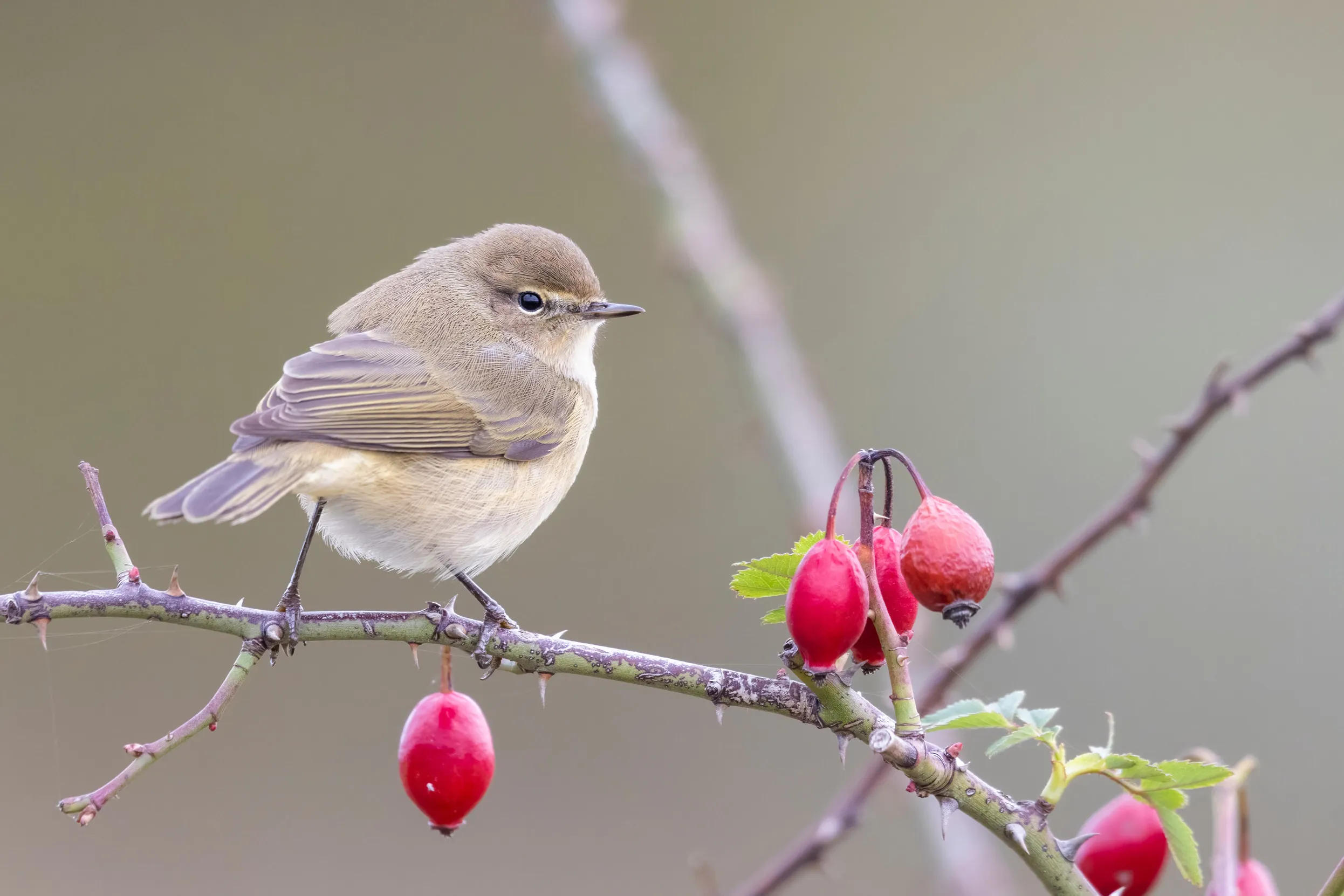
Chiffchaffs can be found in lowland woodland, parks and large gardens.

An onomatopoeic call – these warblers shout their name proudly through a series of staccato ‘chiffs’ and ‘chaffs’.
You’re most likely to hear this song in the spring months, when huge numbers of Chiffchaffs arrive on our shores to breed. Listen out in March when their distinctive sound is an early sign of spring.
Chiffchaffs tend to be found in woodland. However, they’ll take advantage of trees in parks and gardens, in areas where they can feast on plenty of insects.
Chiffchaffs are small, olive-brown warblers. Typically, they have dark legs and a pale eye stripe. Their song is a distinctive, loud 'chiff-chaff', like their name.
Chiffchaffs are easily confused with Willow Warblers, but usually have darker legs and shorter wings. The Chiffchaff is also more of a compact bird, with a more rounded head. They also typically have a pale eye stripe, rather than the more distinct yellow eye stripe of the Willow Warbler.
Feeds mainly on insects, including flies, aphids and caterpillars.
Chiffchaffs nest low down, often in bushes and shrubs as well as on the ground. They often breed in woods and places with thick undergrowth.
April – July.
Chiffchaffs typically live for two years. The oldest ringed Chiffchaff lived to over seven years old.
Yes. Most Chiffchaffs migrate to the UK for the summer, but increasing numbers now stay throughout the winter.
No, they are widespread in the UK, although scarce in northern Scotland and upland areas of northern England.
Those that migrate to the UK for the summer typically arrive in March.
Chiffchaffs that migrate to the UK typically leave in September.