Corvids: how to identify the crow family
You might mistake a flock of tumbling Choughs for Jackdaws, as they look quite similar from a distance. However, up close Choughs are very distinctive with long red beaks and red legs.

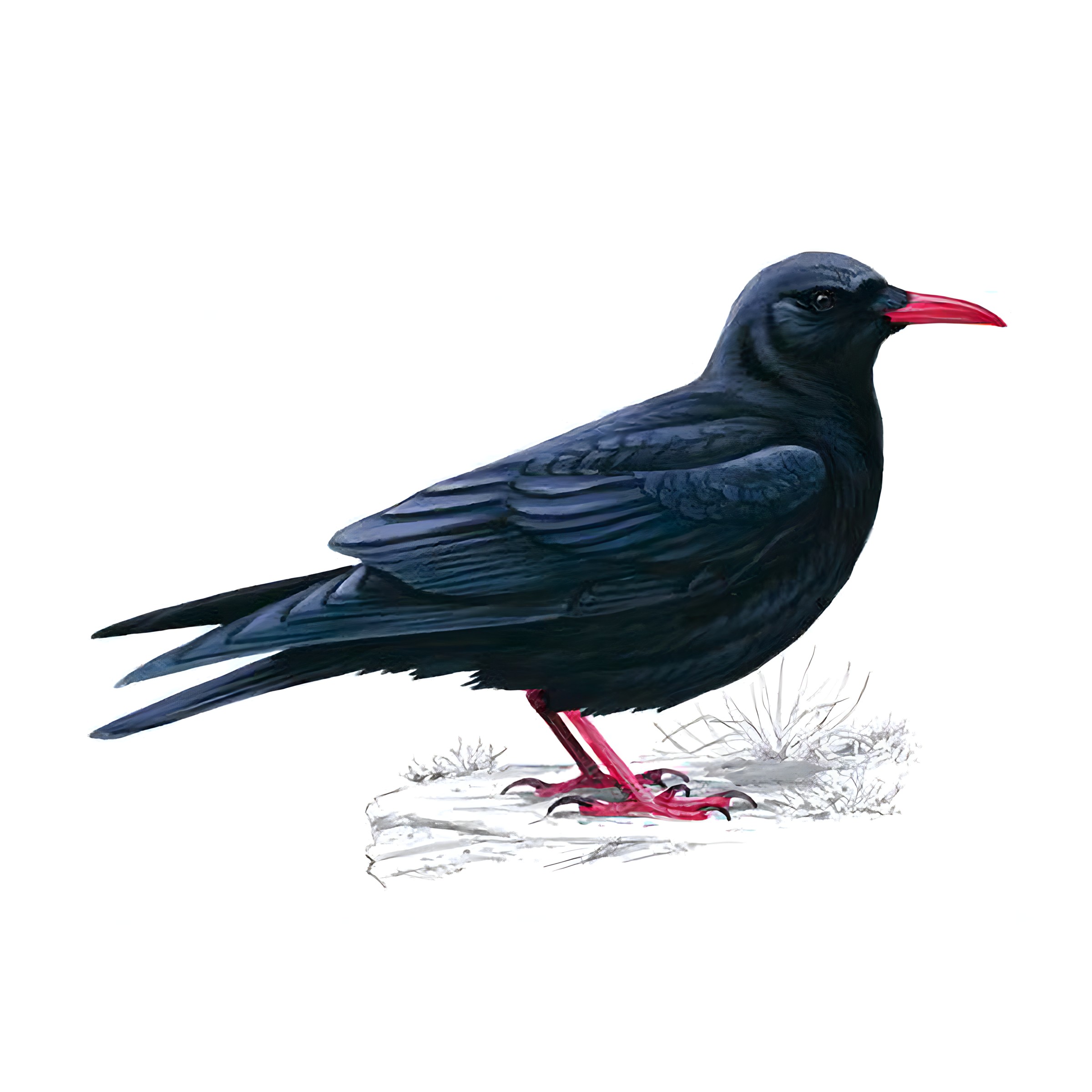

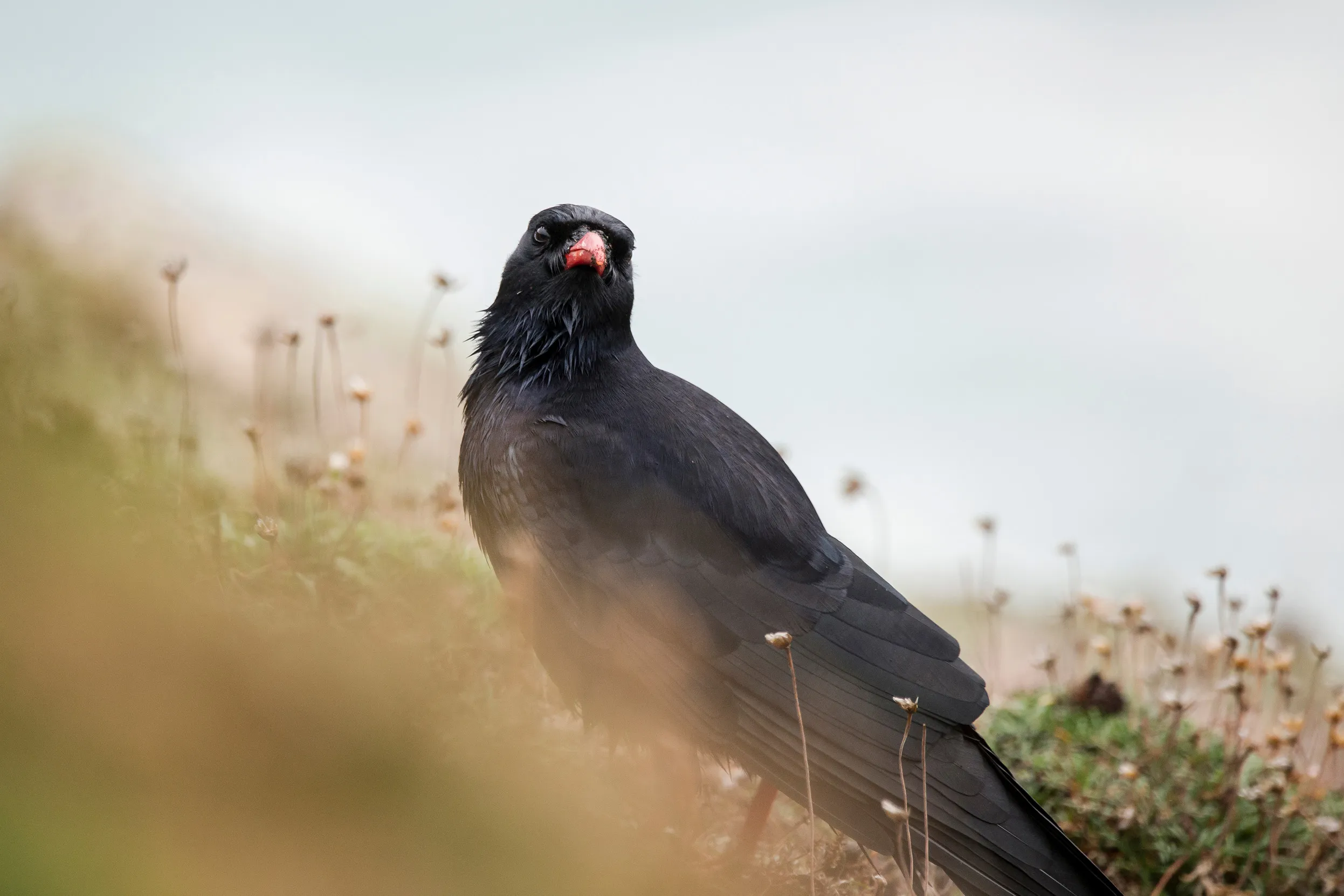
You might mistake a flock of tumbling Choughs for Jackdaws, as they look quite similar from a distance. However, up close Choughs are very distinctive with long red beaks and red legs.
Green-listed, despite their small population. Chough populations are increasing in Cornwall, and stable in Pembrokeshire. However, there have been long-term declines in North and mid-Wales and the Inner Hebrides.
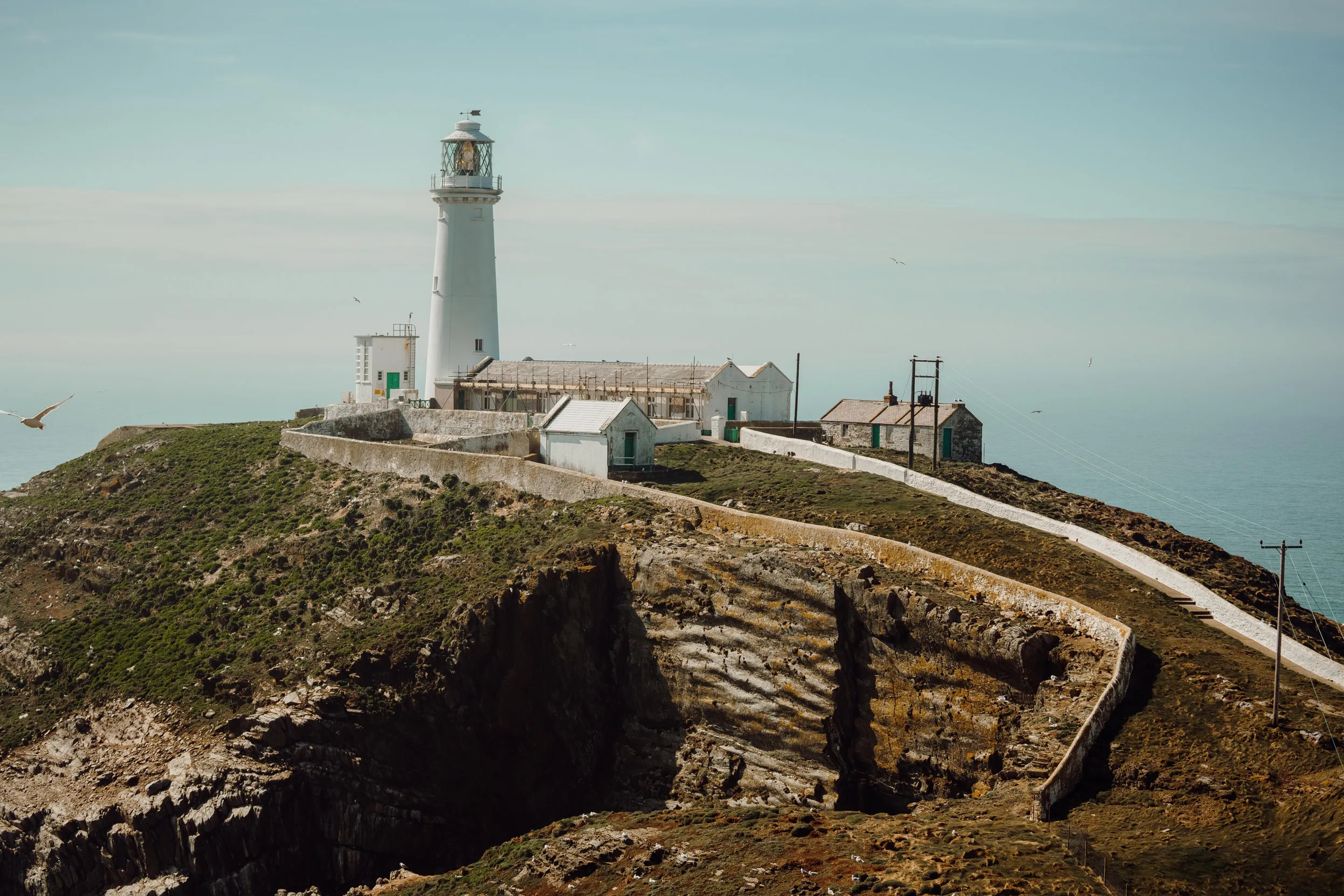
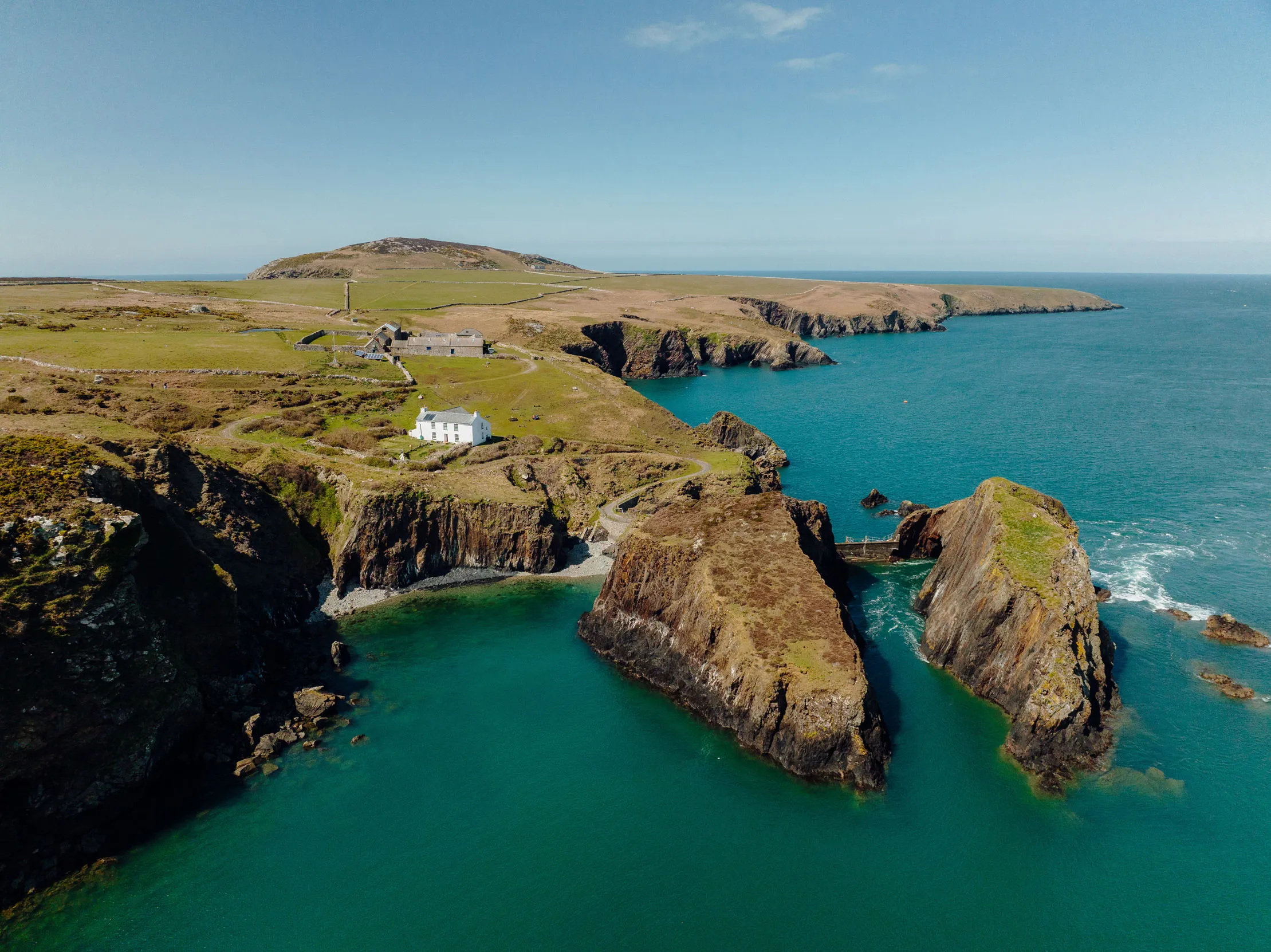
At RSPB nature reserves like South Stack and Ramsey Island, we protect Chough nest sites and make sure the coastal grassland is in good condition, with lots of tasty minibeasts for them to tuck into.
Choughs are found along some of the UK’s wildest coastlines, including parts of Cornwall, Wales, Northern Ireland and western Scotland, and also on the Isle of Man. Look for them around cliffs and coastal grasslands, especially on breezy days.
You’ll need to head to the right stretch of coastline, but once you’re in Chough country, you’ve got a great chance of spotting them. If you do, we bet you’ll be chough-ed to bits (sorry, couldn’t resist).

Choughs were persecuted throughout medieval times, as folklore told they were fireraisers and got their red legs and bill from paddling in the blood of Tomas Becket after his execution.
Now, the biggest threats these rare birds face are loss of habitat and food sources, due to agricultural intensification and land abandonment. Feasting on soil, ground and dung-dwelling invertebrates, Choughs forage on grassland and heath, with short vegetation, near to their cliffside crevice and cave nests.

Brilliant birds, month by month: what to see and where to go.