Days out
Nigg Bay Ankerville
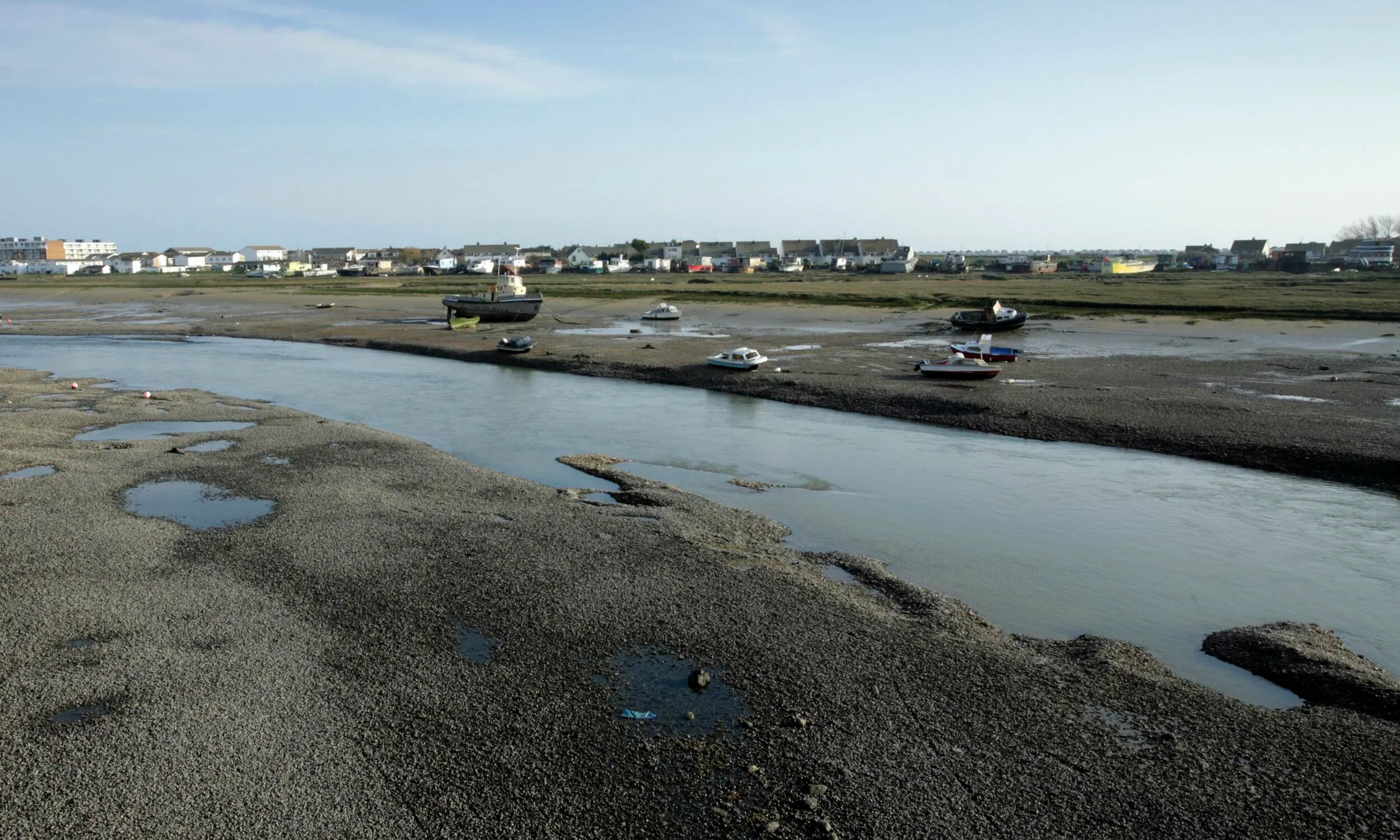
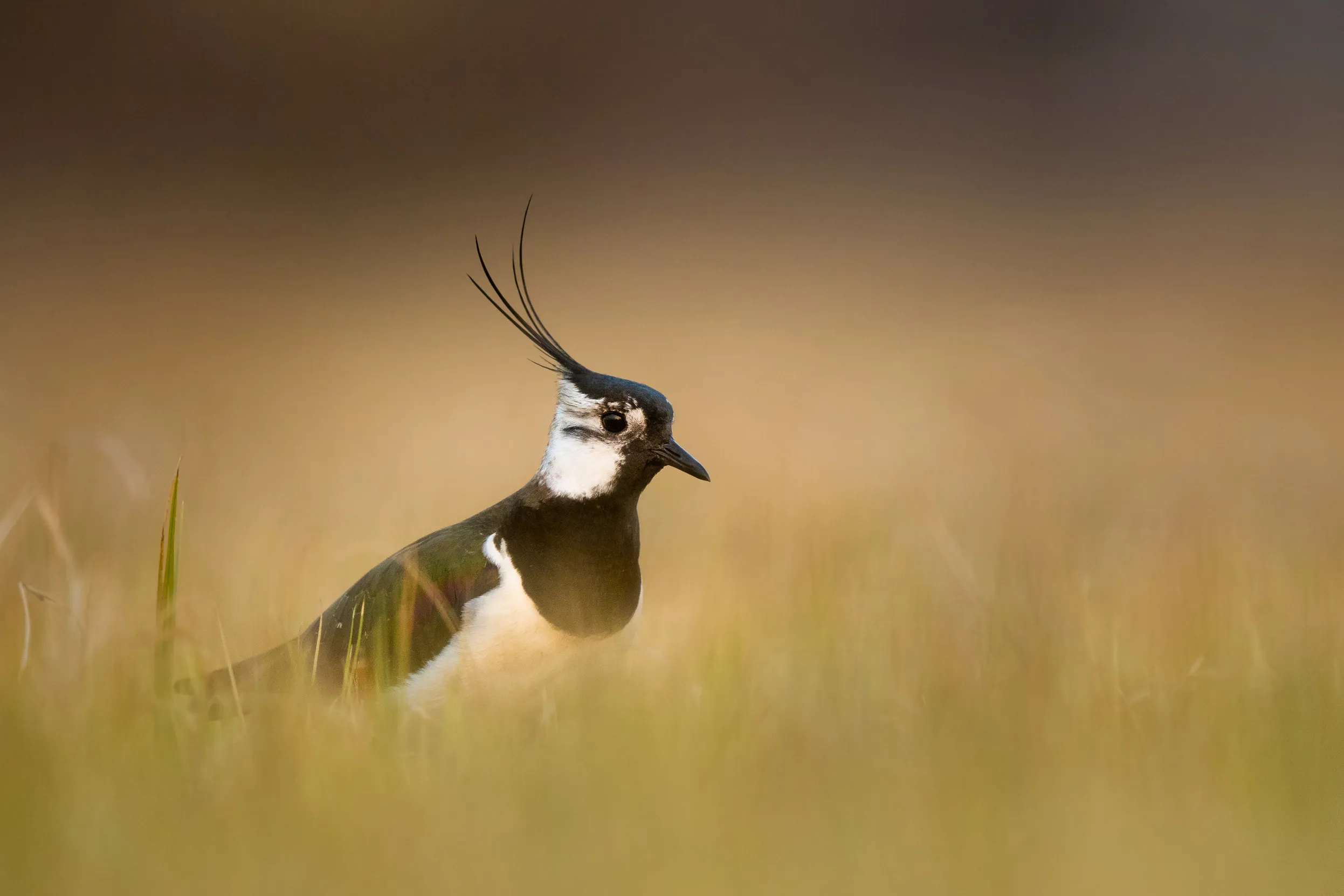
Shallow pools surrounded by tussocky grass, rich mud peppered with webbed footprints, and huge flocks silhouetted against the sunset sky. Head to the hide at Nigg Bay to soak up the reserve's unique atmosphere.


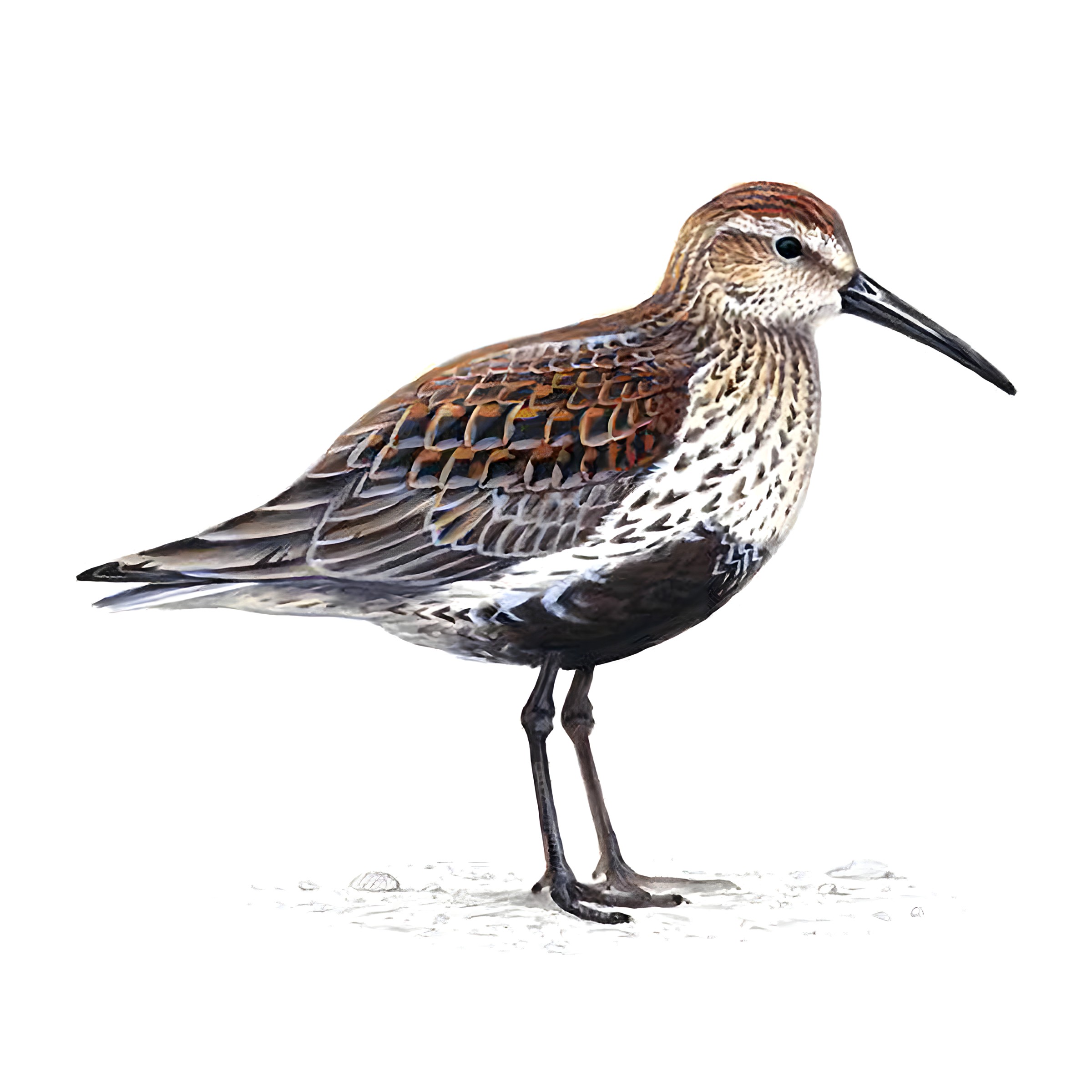
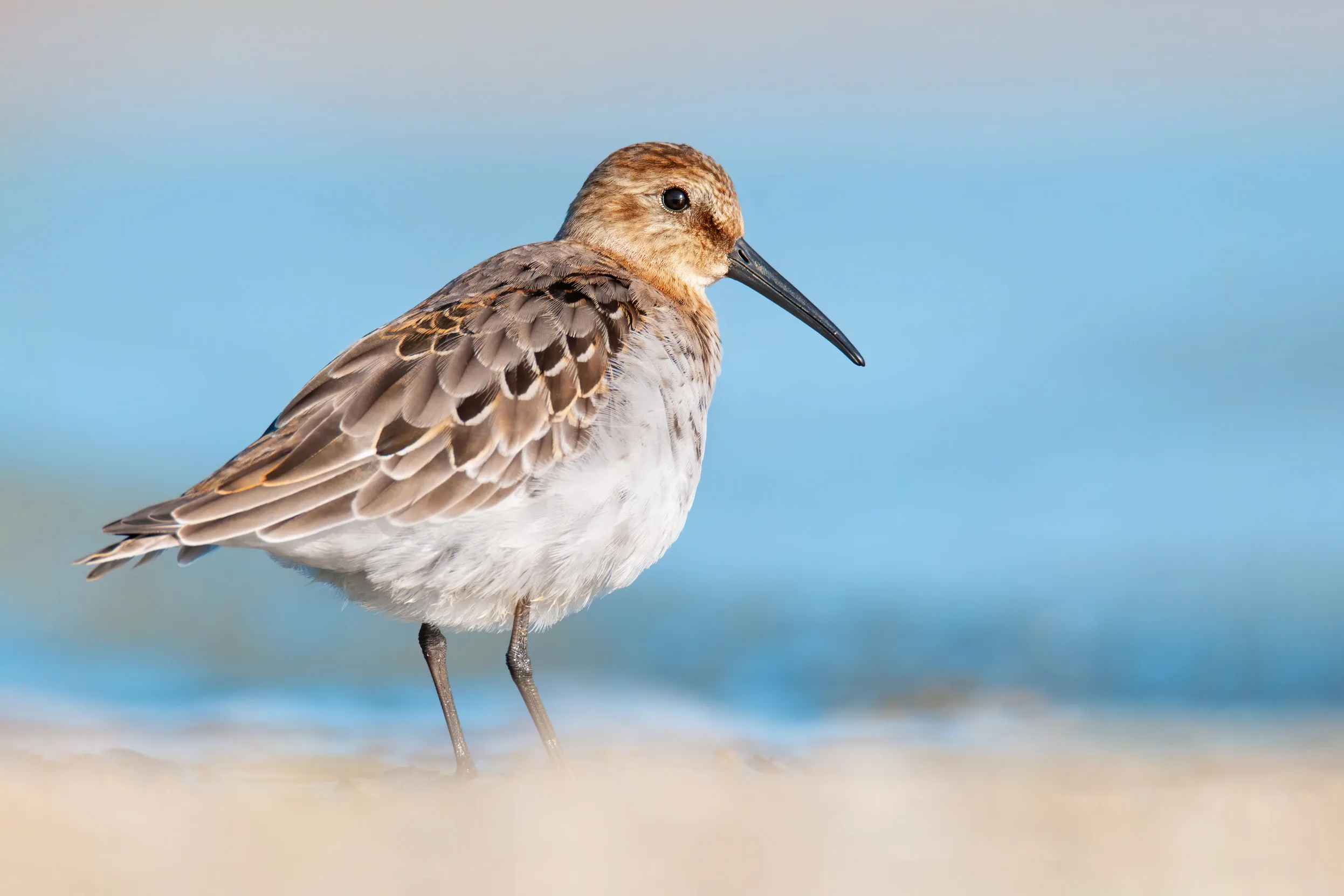
Dunlin were added to the Red List in 2021, as their wintering populations in the UK have massively decreased. They’ve declined by 20% globally since the early 2000s.
Most estuaries and bays around the UK are a great place to spot Dunlins from late summer through to spring. The Mersey Estuary in England holds the highest number of Dunlins in the UK – with up to 50,000 birds making the most of the mudflats.

A small number of Dunlins breed in the UK, but in the winter months, our populations are boosted by breeders further north. When they first arrive on their overwintering sites, you may be able to spot some black feathers on their bellies – remnants of their breeding plumage. The UK’s mudflats in bays and river estuaries are vital habitat for birds like the Dunlin. As the tides recedes, it leaves muddy feeding areas exposed behind.

Head outside and discover fascinating birds each month. Read on for top ID tips, what to listen for, and where to see them.