Days out
Highnam Woods Churcham
Wander through the Bluebell woods while listening out for the Nightingale's song and the woodpecker's drum.


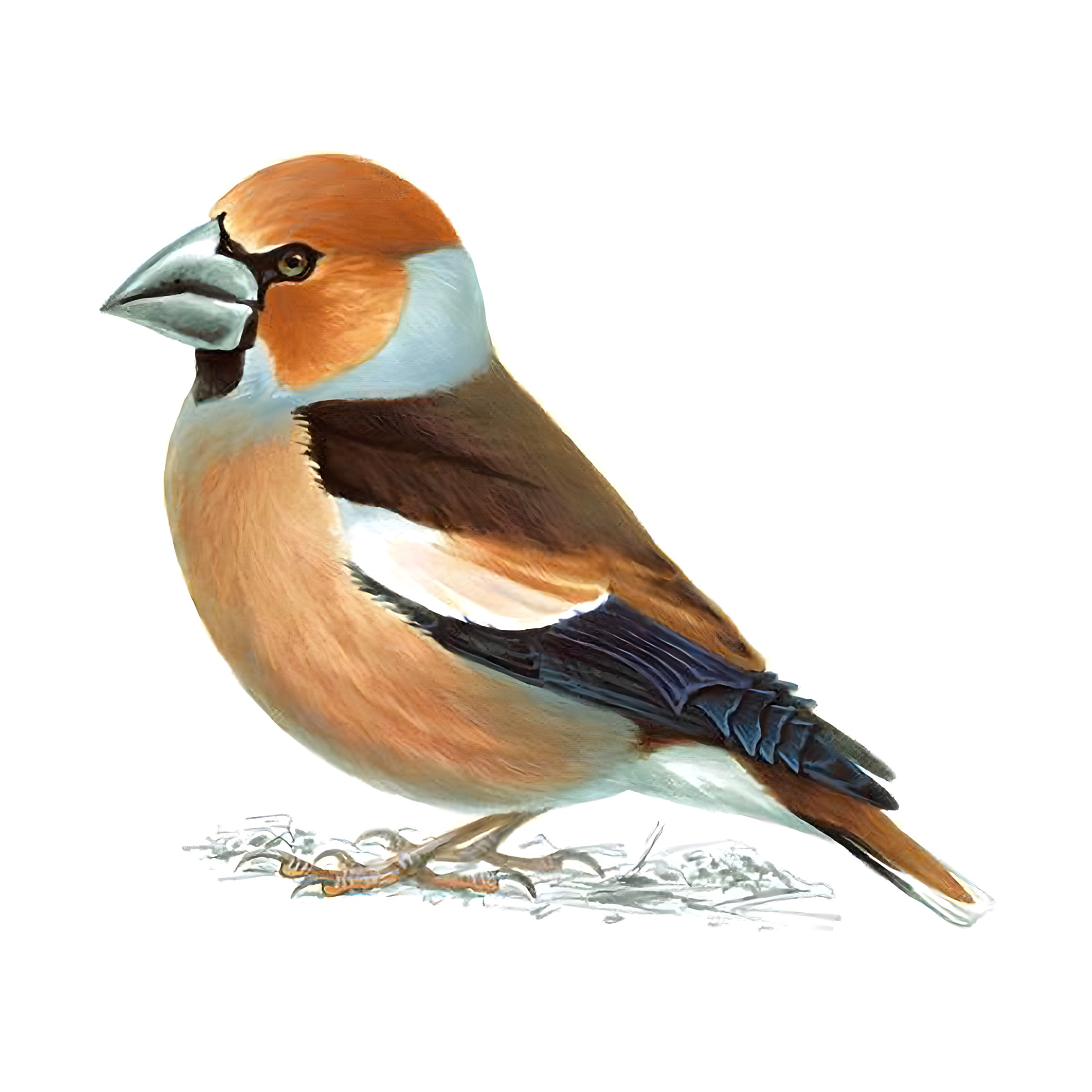

Hawfinches are on the Red List because their numbers have declined, and their range has shrunk dramatically. It’s not clear exactly what’s causing this decline, but it’s likely that the loss of mature woodland is partly to blame, as well as disease. We’re conducting research to better understand the threats they face and what we can do to help them.
Hawfinches like mature, deciduous woodlands, especially those with Hornbeam, Beech, Yew and cherry trees. You’re most likely to see them high up in the canopy, but they will occasionally come down to the ground to drink or feed.
Hawfinches are mostly confined to patches of southern England, as well as parts of Wales and Scotland, but they’re absent from Northern Ireland. From late autumn, when migrant birds start arriving from the continent, they could pop up almost anywhere, including parks and gardens with mature trees – so keep your eyes peeled!
Hawfinches are incredibly shy and secretive birds, making them really tricky to spot. Winter is the best time to look for them, but expect a challenge!

Hawfinches are nature’s nutcrackers. They’re chunky and powerful birds, with a huge beak that’s strong enough to crack open cherry stones – in fact, their scientific name literally means ‘kernel crusher’! Their distinctive big-headed and bull-necked appearance is due to the massive muscles needed to operate their impressive beak.

Head outside and discover fascinating birds each month. Read on for top ID tips, what to listen for, and where to see them.
