There’s no such thing as a seagull – your guide to UK gull identification
A common sight on our coastlines and a summertime soundtrack, here’s a guide to the six most common UK gull species.

A common sight on our coastlines and a summertime soundtrack, here’s a guide to the six most common UK gull species.
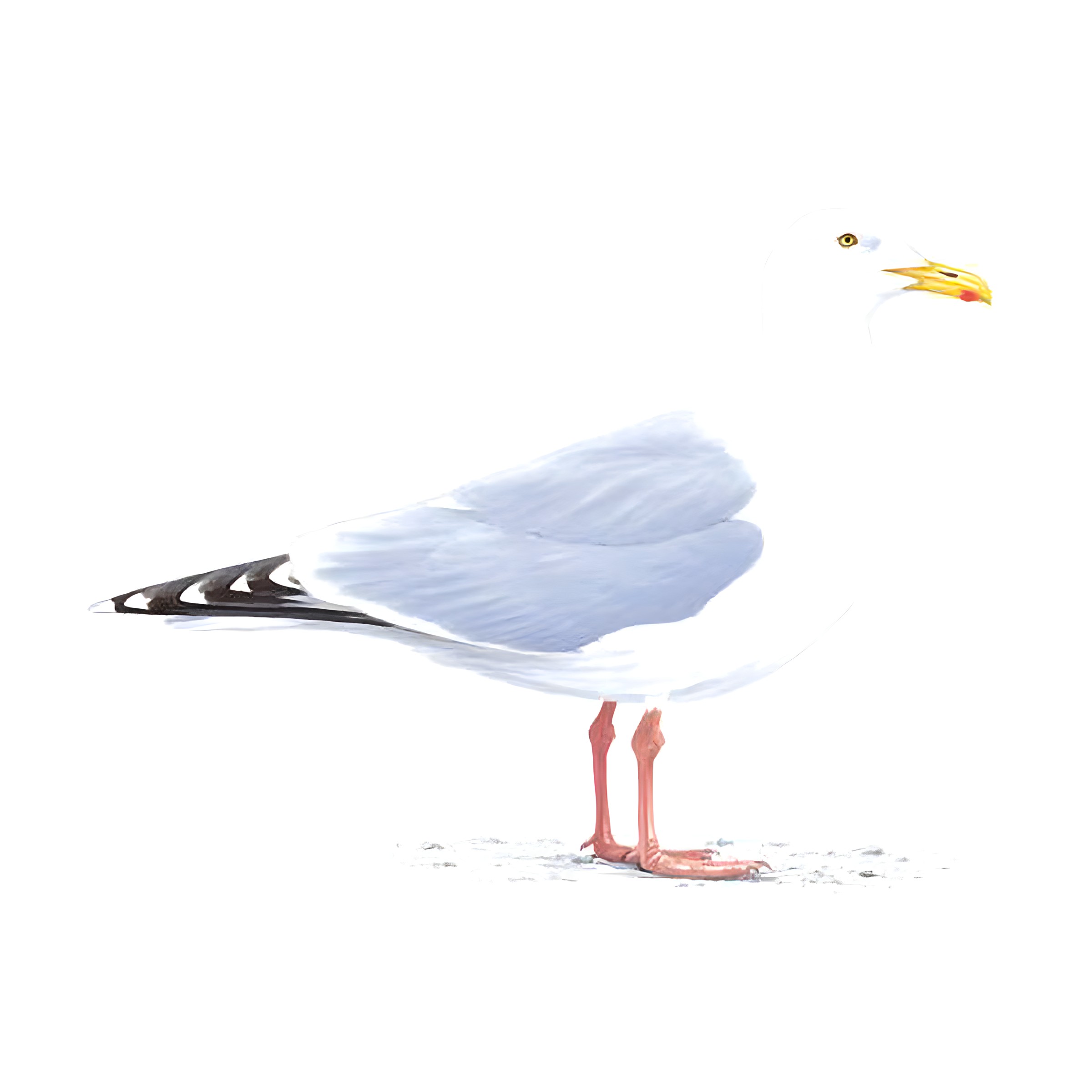
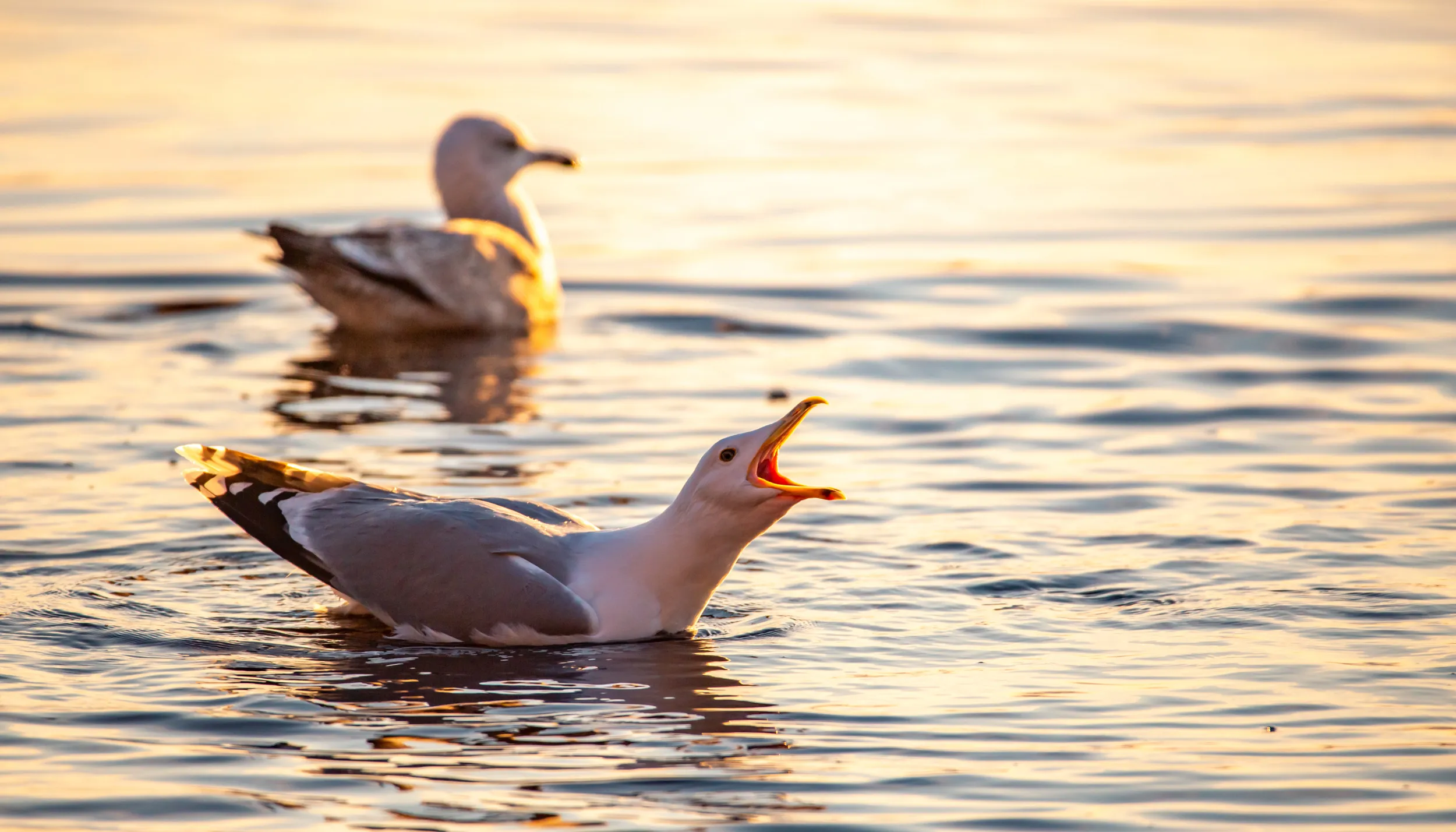
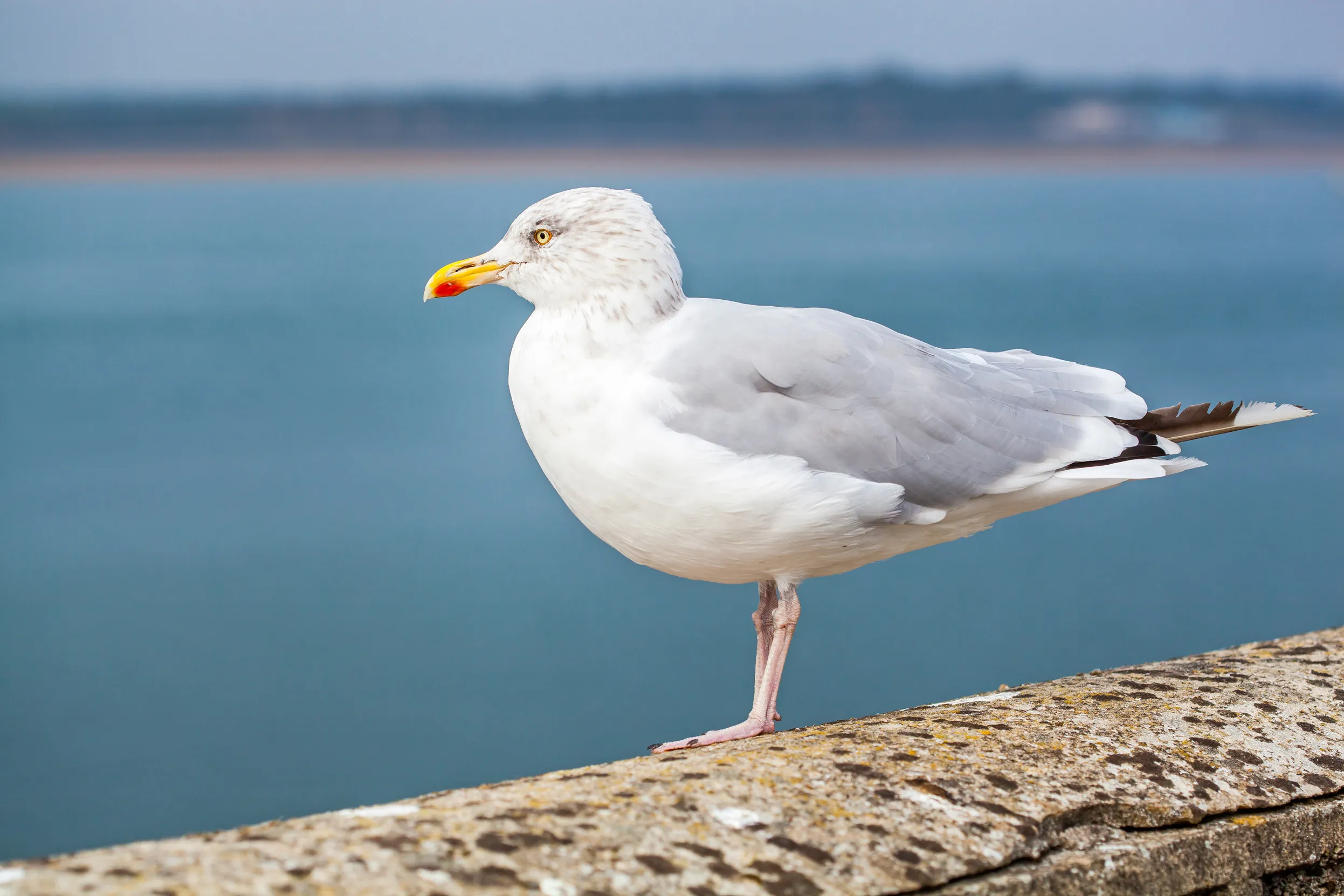
It’s likely that a Herring Gull jumps to mind. But did you know that there are actually 12 regularly occurring gull species in the UK? The stocky Herring Gull is the second largest of the UK lineup. They’re identifiable by their light grey backs and pink legs, as both features separate them from the similarly sized Lesser Black-backed Gull. The pink legs and bright red dot on the bill, make them easy to distinguish from the (rather inappropriately named) less common Common Gull.
Red-listed. These resourceful birds are brilliant at finding food. But as our oceans are becoming a less reliable hunting ground because of human impact, gulls are having to forage further afield. This explains why the ‘seagull’ is no longer bound to UK beaches. As a result, the Herring Gull’s population has plummeted, despite these birds seemingly being a regular sight.

We’re at risk of losing some seabird species in just a few decades. Be part of the team tackling their biggest threats.
Gulls aren’t exclusively found on our promenades; they’re now a firm feature of our towns, cities, and countryside. Previously a coast nesting bird, Herring Gulls began swapping cliffside ledges for urban rooftops in the 1920s, and so the strained relationship between people and gulls began. Highly defensive of their nests and young, this admirable parenting style has been mistaken by the media for year-round hostility. They’re committed partners too – their pair bonds are often lifelong.

Herring Gulls are now a firm fixture of towns and cities. They tend to feed on fish, insects, carrion, and any discarded rubbish. You might see them imitating rain with their feet as they encourage worms to the surface.
Herring Gull chicks will peck at the red spot on their parent’s beak to let them know they are hungry.
At around four years old, they will begin breeding. They tend to nest on the ground, on cliff ledges, or on rooftops and will return to nest sites every year. The female lays two or three eggs in mid-April.
Did you know that there is more than one type of ‘seagull’? In fact, there are around 50 species worldwide and six types which commonly breed in the UK! Perhaps you have that noticed that not all of them are seen by the sea?