Days out
Culbin Sands Nairn
This windswept stretch of sand dunes and saltmarsh is a rare and fragile habitat, home to sea ducks and waders.

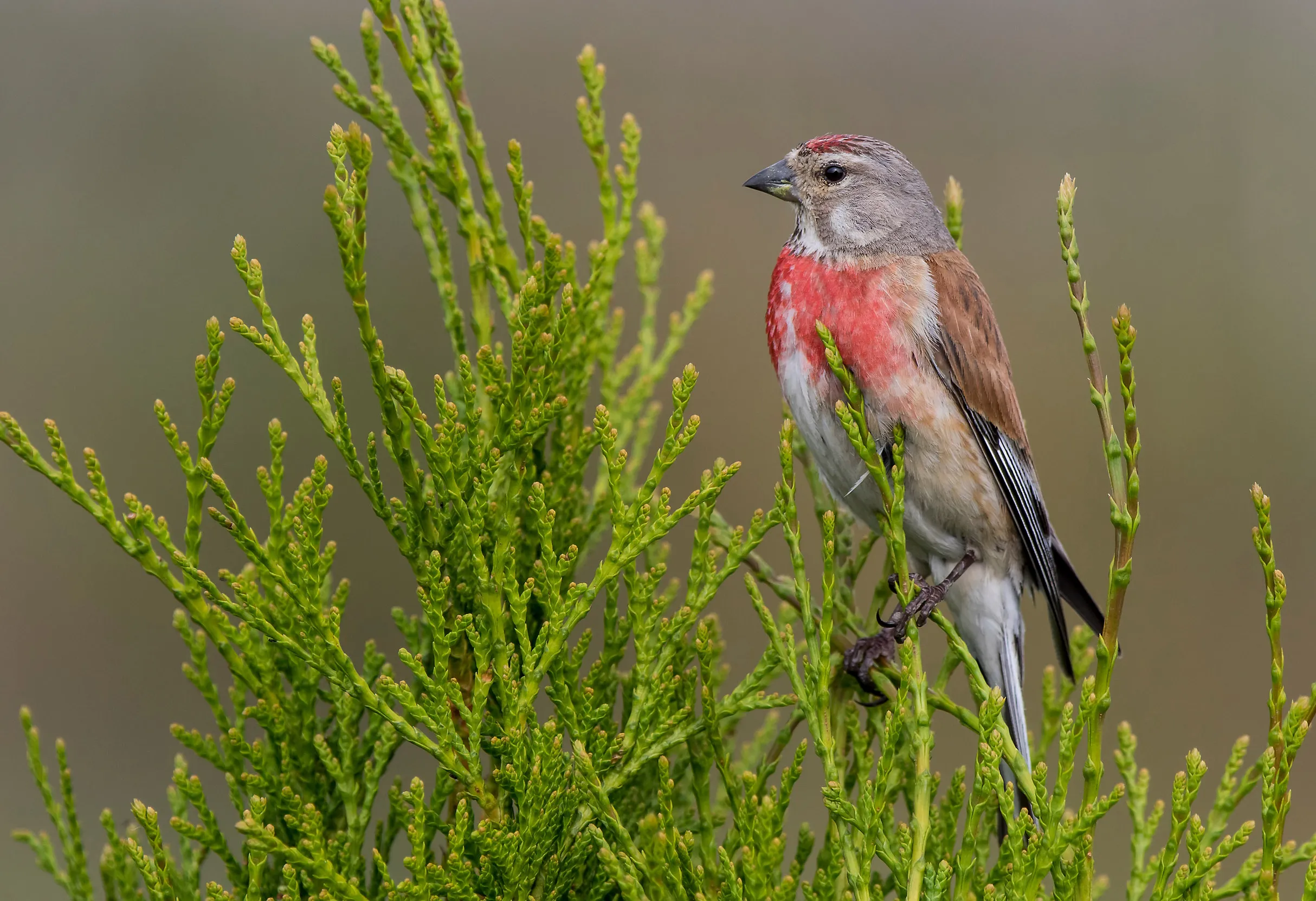

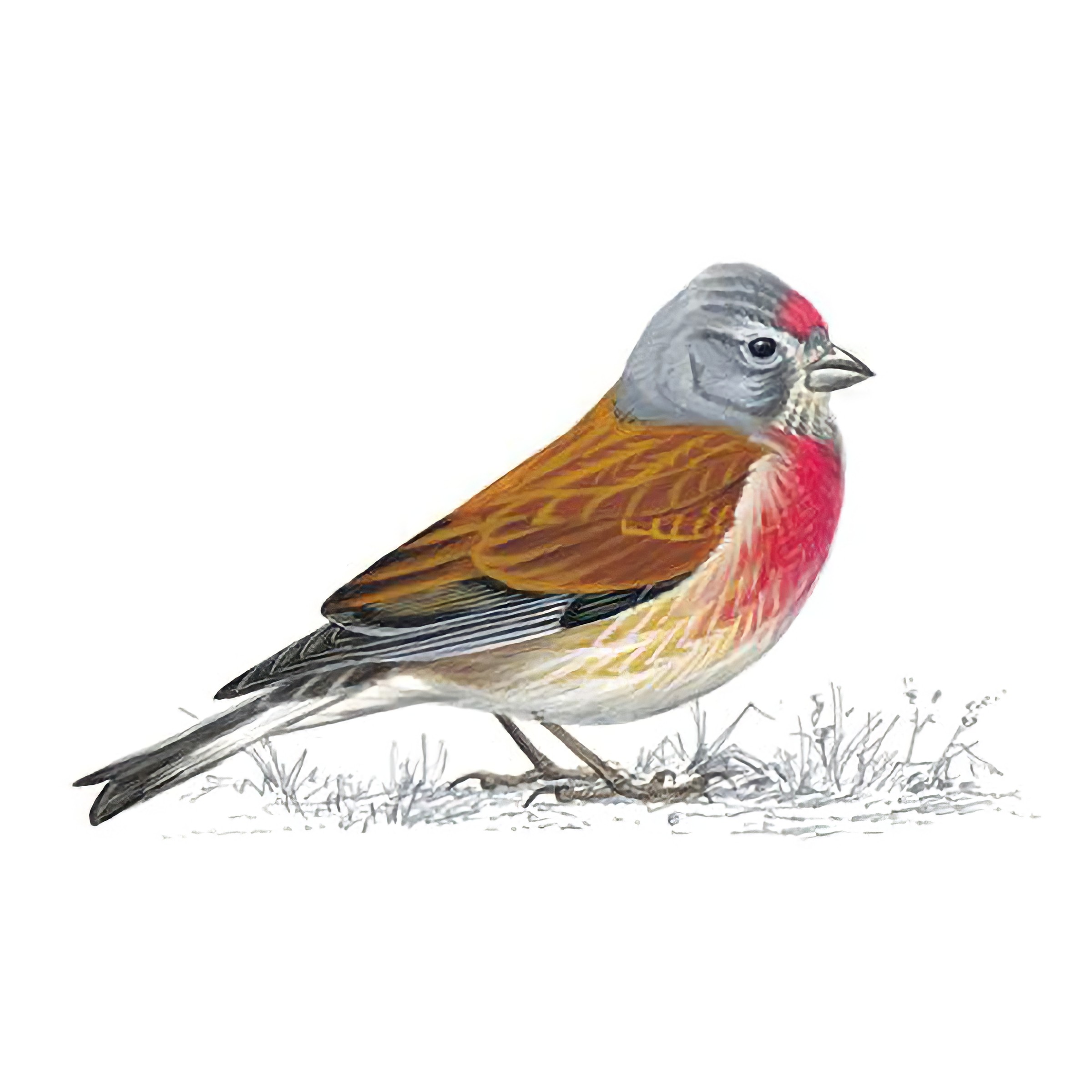
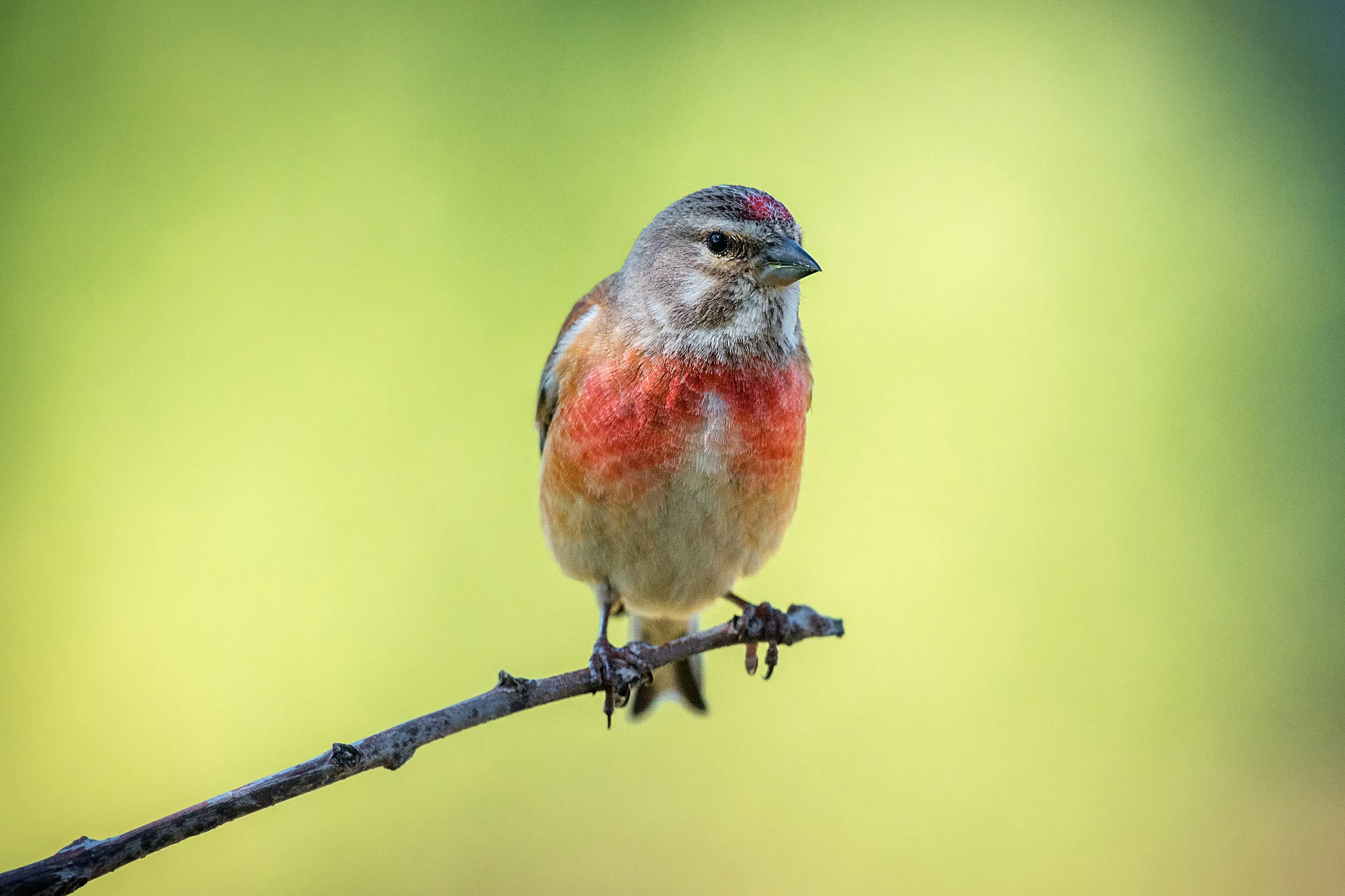
As the warmer months arrive, the males transform from their classic ‘little brown job’ get up. Their spring attire sees them decked out with a reddy-pink chest and a forehead patch. They can be separated from Redpolls by their silvery grey head and their solid chestnut-coloured backs – this rich colour is also obvious in the plainer female birds.
Their thick beaks are perfectly adapted to eating seeds. Linnets take their name for their love of Linseed, the seed of the Flax plant and their Latin name, Linaria cannabina, refers to their penchant for eating Hemp.
Red-listed. Linnet numbers have dropped significantly over the past few decades, with the UK population estimated to have fallen by 57% between 1970 and 2014. The latest Breeding Bird Survey results show a decrease in all countries.
As a flock of Linnets erupts into flight, take note of the white flashes on their wings and on their forked tails, and the flurry of twittering calls. These birds are a familiar finch across the UK, but in their winter plumage, they can be a little tricky to confidently identify – and are sometimes optimistically mistaken for the less common Twite.


Head outside and discover fascinating birds each month. Read on for top ID tips, what to listen for, and where to see them.