
Days out
Fairy Glen Rosemarkie
Walk along the public footpath through this steep-sided glen to find the two beautiful waterfalls. Stop for a moment and enjoy the sounds of birdsong alongside the rushing water.


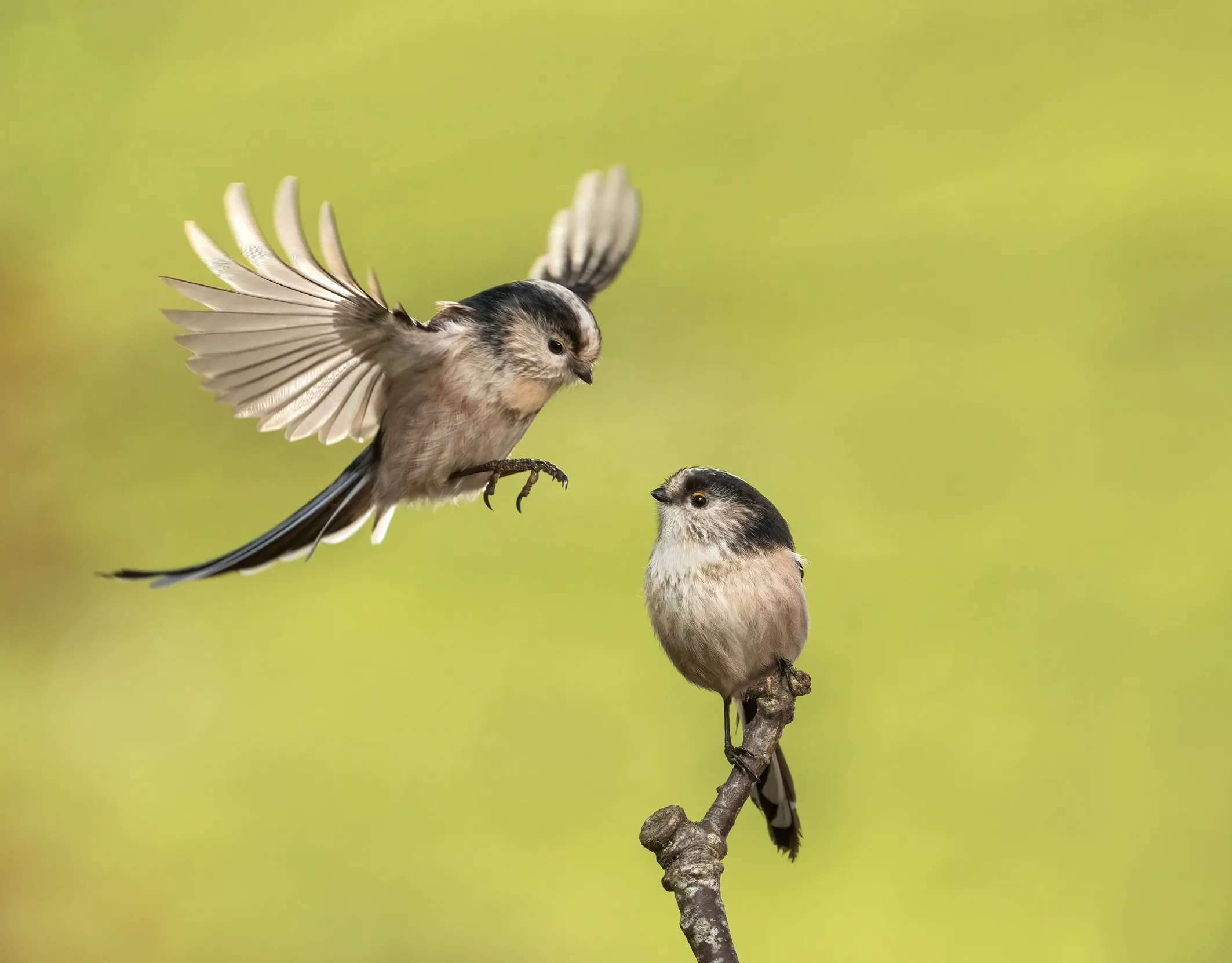

Long-tailed Tits don’t so much sing as chat excitably. You'll often hear them using high pitched shrills to communicate as groups dart from tree to tree. They also utter a “sirrut sirrut” sound when they feel threatened.
Often referred to as the ‘flying lollipop’. Very small round body with a 9cm long tail. They have pinkish brown upperparts and pinkish white chest and belly. They have dark stripes on the sides of their head with a white face. Can be heard making high pitched chatty clicking calls and drawn out trills.
Long-tailed Tits are quite a unique looking bird due to being small and mostly spotted in small flocks. Pied Wagtails are larger and also have a long tail. They are black and white and can be spotted in large flocks in winter.
Invertebrates such as flies, beetles and spiders, moths, butterflies, eggs and larvae.
They build their nests in thick shrubs like gorse and bramble. They build a delicate domed structure using moss and cobwebs.
March – June.
They have an average lifespan of two years. The oldest ringed bird was eight years old (a month away from being nine).
No, they are a resident species. Family flocks will travel around their feeding territories.
They are very much widespread in Britian and Ireland. Rare on Shetland and the Outer Hebrides.
