Days out
Mersehead Caulkerbush
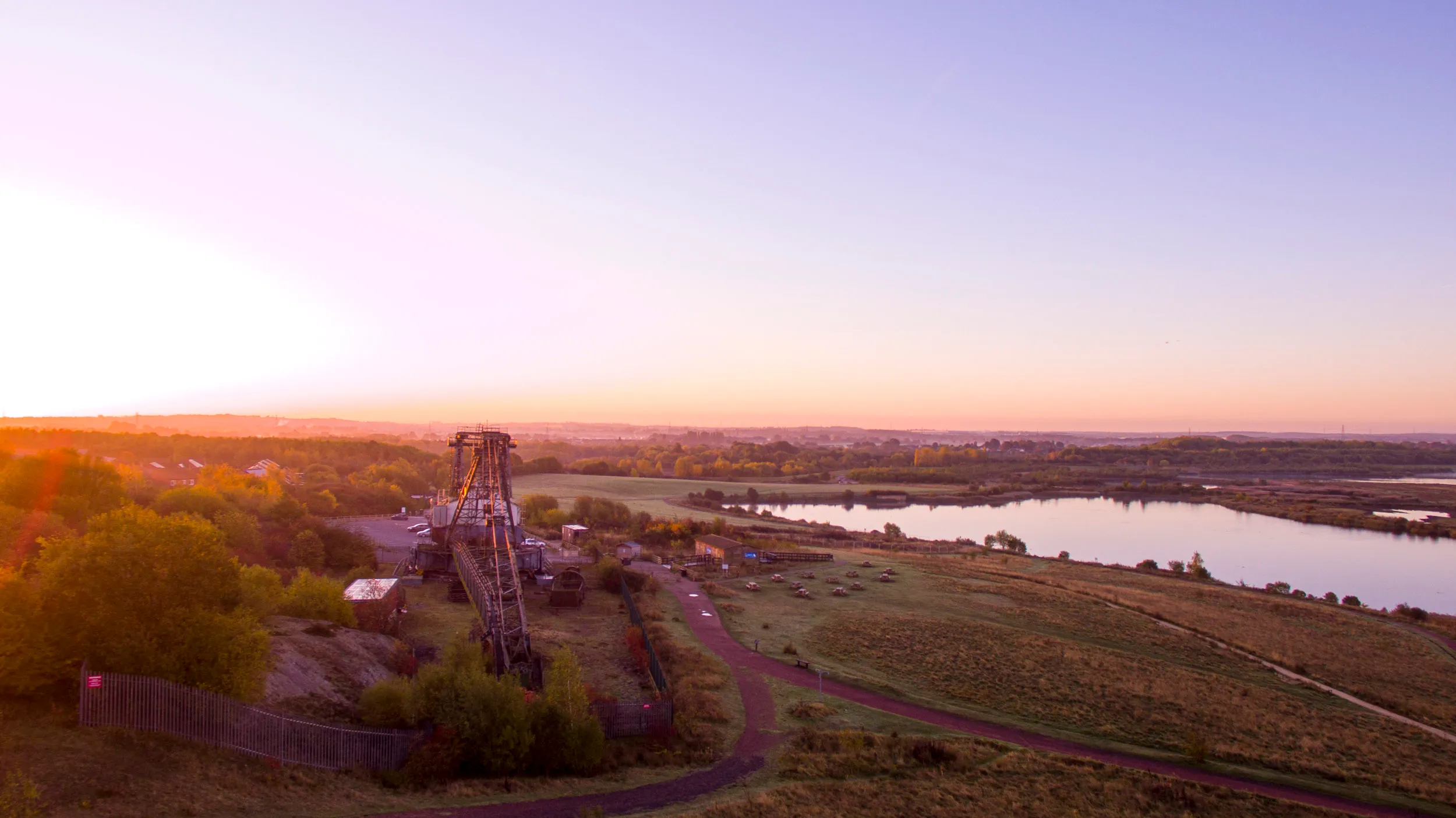
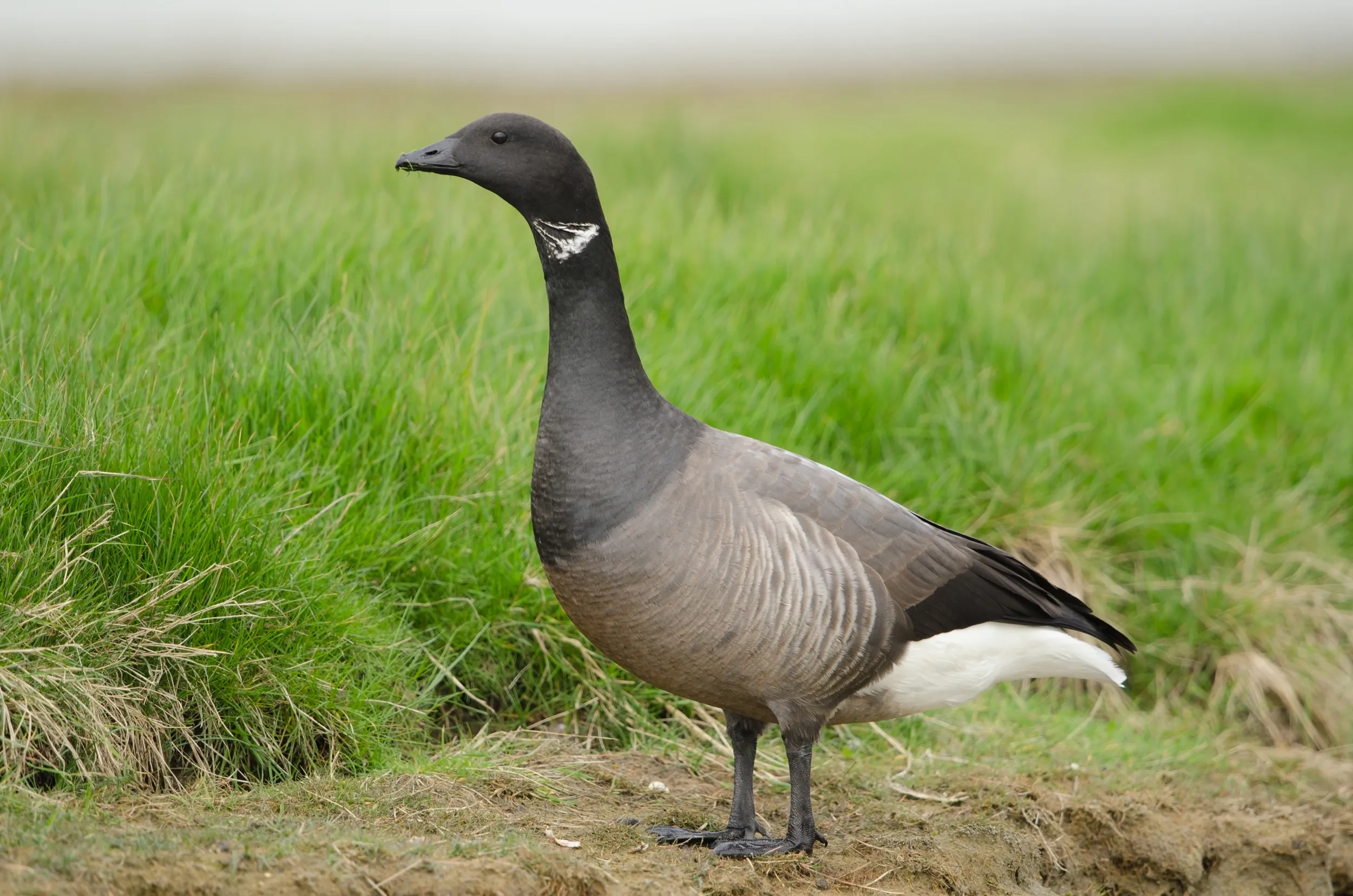
There’s so much to explore at Mersehead. We have freshwater pools, woodland, farmland, mudflats and a fabulous beach. Come by this autumn to see great flocks of wintering Barnacle Geese.
.jpg)


.jpg)

They are larger than a sparrow but smaller than a Starling. They are brown bird with streaking on the back and sides and lighter unmarked underparts. They have a medium-length brown tail with white outer feathers. They have a short streaky crest which can be raised and lowered. Their song is long, pleasant and made up of rolling, chirruping and whistling notes often heard high up.
Woodlark are a smaller species with a noticeable short tail. They too have a crest that can be raised but have a prominent white stripe above the eye that meets the back of the head and rusty coloured cheeks. Tail is square ended with small white corners rather than all white outer feathers like the Skylark.
Their diet is made up of insects and seeds.
They nest directly on the ground in open areas such as farmland, saltmarshes and heathland.
They nest from May onwards and can have up to 3-4 broods per nesting season, however this is often limited due to farming practices.
They have an average lifespan of two years, the oldest ringed bird was nine years old.
No, they are UK residents. Some upland species may move to lowland areas. Northern and eastern Europe Skylarks arrive in Britain in October to winter and leave in January.
No, we have around 1.6 million breeding pairs in the UK. However, Skylarks have become a species of concern due to the move from spring to winter cereals, as well as intensified grassland management.