Starling murmurations
One of nature’s highlights throughout the colder months are the incredible aerial displays performed by one of our most charismatic species – Starling murmurations. Learn how to enjoy winter’s best spectacle!


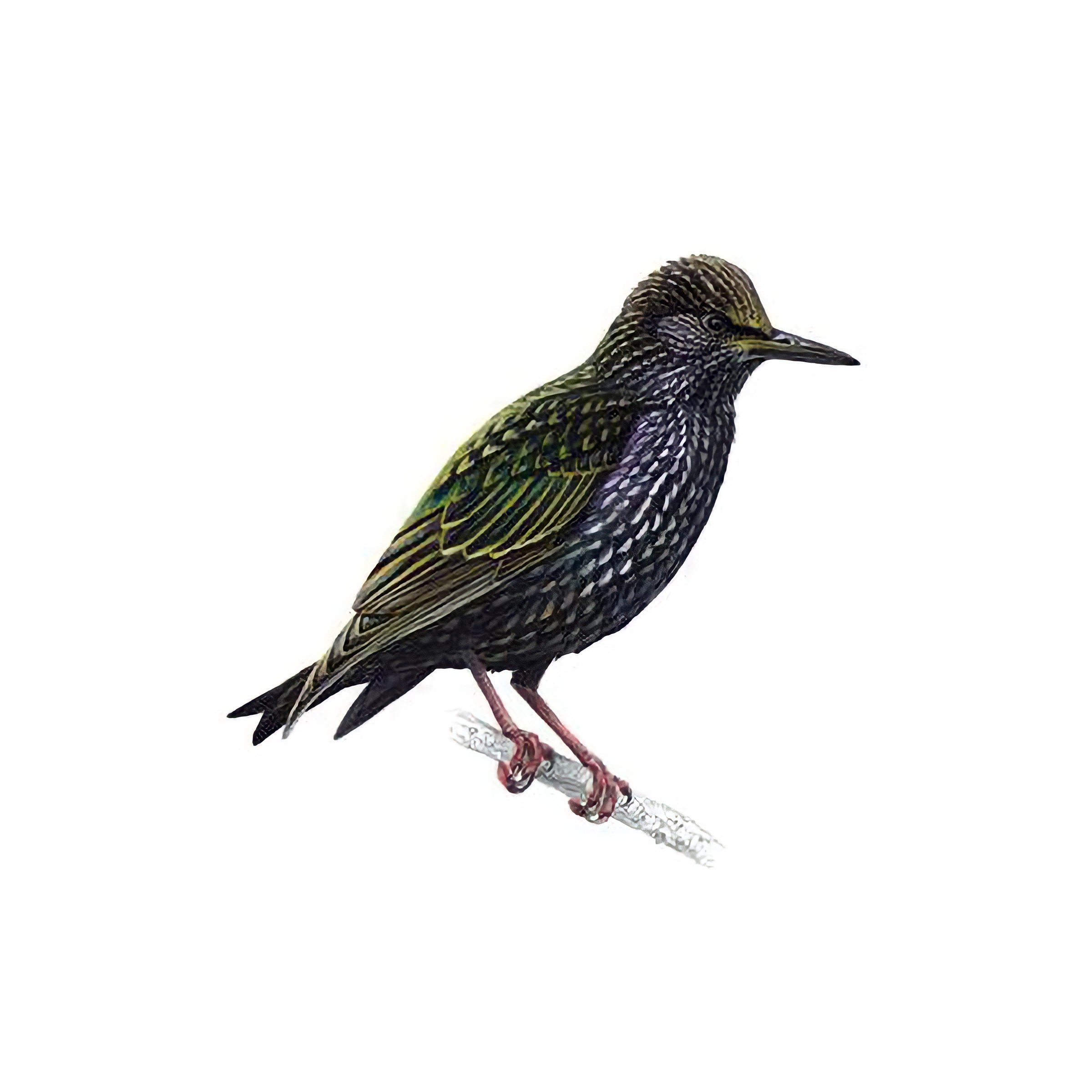

One of nature’s highlights throughout the colder months are the incredible aerial displays performed by one of our most charismatic species – Starling murmurations. Learn how to enjoy winter’s best spectacle!
If you’re lucky enough to see a Starling murmuration you might think these birds are doing well. But Starlings declined by 57% between 1995 and 2023 and they now feature on the Red List of birds of high conservation concern.
Starlings are regular garden visitors and you could see them pretty much anywhere in the UK, except parts of Scotland. To be in with a chance of watching one of their spectacular aerial performances – called a murmuration – head to large roost sites like reedbeds, piers, and coastal marshes.
Starlings are resident in the UK all year round, but their numbers swell in winter, when birds migrate here from Scandinavia.

In winter the humble Starling puts on one of nature’s most spectacular shows. As the sun dips below the horizon, hundreds – and sometimes thousands – of them gather in vast flocks that swoop and swirl across the sky, like the avian equivalent of the Red Arrows.
These dazzling displays are so perfectly synchronised that people once thought that Starlings could read each other’s minds, allowing them to twist and turn in perfect unison. Scientists have since figured out that Starlings have lightning-fast rection speeds, which mean they can mirror the flight path of the birds around them.
Just about everything! These birds are impressive mimics – from car alarms to dog barks, their incredible syrinxes (a bird’s version of a larynx) allow them to distract and confuse predators. Heard an unusual bird, like a Lapwing or a Curlew, in completely the wrong habitat? You might find your culprit comes in a Starling-shaped package.
Almost always! Morning, noon, and night and all year round. Through the winter, the UK sees an influx of Starlings come across from Europe, so their chameleon vocals become even more common.
And just about everywhere! They’re a frequent fixture in our towns and cities but can be found in more rural environments too. Visit a reedbed at dusk in the winter months, and you might catch them performing their mesmerising murmurations – they can gather in huge numbers, and their wingbeats sound like crashing waves.

Listen out for clicks and rattles coming from the tops of trees, chimney stacks and TV aerials. Their simple call sounds a little like an old rocking chair, but they're fantastic mimics, and can even adopt phone ringing, siren and car alarm sounds!

Head outside and discover fascinating birds each month. Read on for top ID tips, what to listen for, and where to see them.