
The differences between pigeons and doves: an ID guide
Discover the five pigeon and dove species you can find in the UK.



Discover the five pigeon and dove species you can find in the UK.
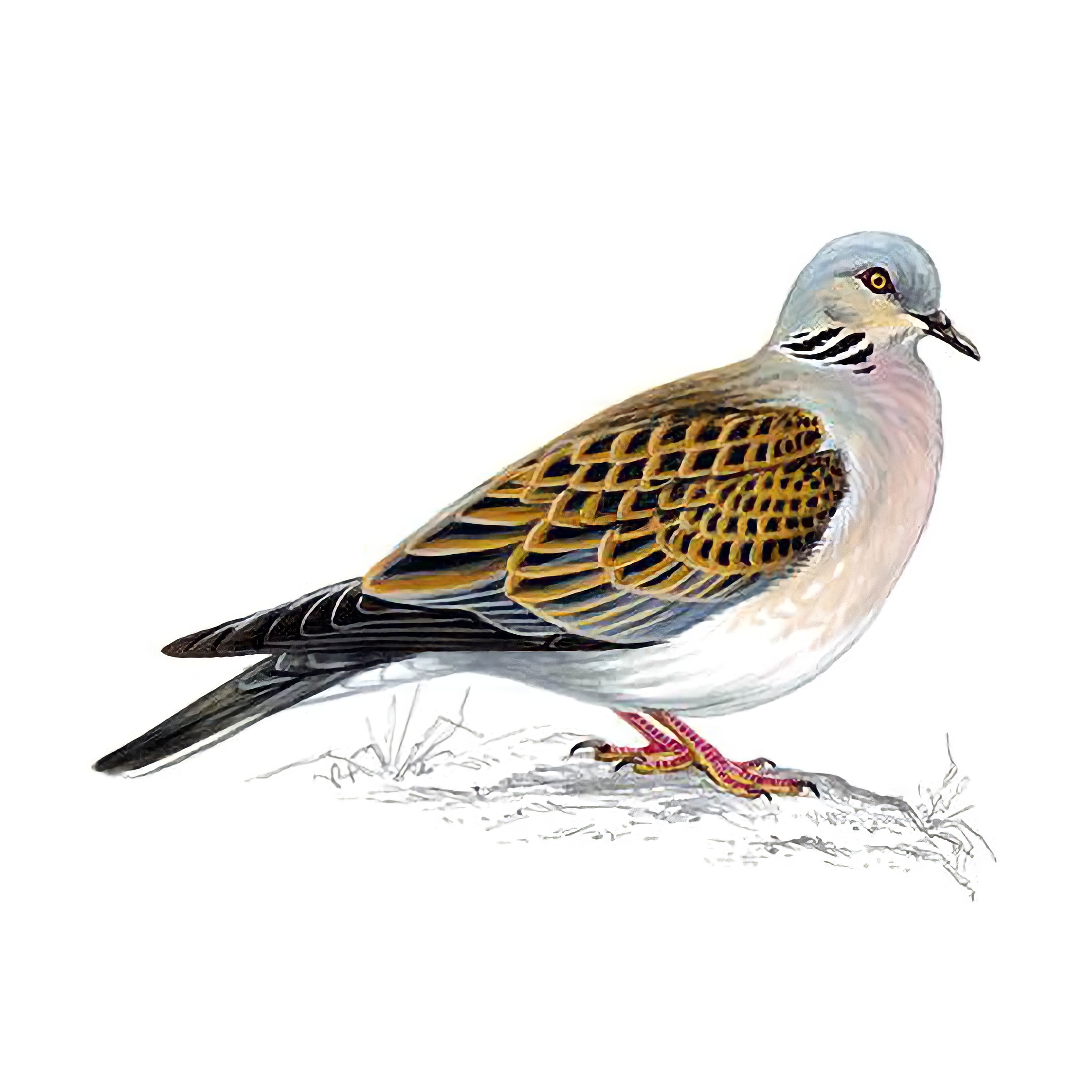
Turtle Doves have been used as a symbol of love and devotion throughout history. Despite being most famous for their mention in the ‘12 Days of Christmas’ carol, these birds are a summer visitor and are only with us from mid-April to end of August. Each year, UK-breeding Turtle Doves travel up to 3,000 miles each way to and from West Africa.
Its iconic purring ‘turr turr’ call is where the ‘Turtle’ name came from.
The Turtle Dove’s gentle purr is a sound of summer but has become rare in the UK following a severe population decline from the mid-1970s to 2020. The first 20 years of this decline could be explained solely by the loss of their breeding season food - accessible wildflower seeds – from our farmed landscapes, resulting in a shorter breeding season with fewer nesting attempts, and therefore fewer fledged chicks overall. In recent decades, this decline has been further exacerbated by unsustainable levels of hunting along their migration flyway through south-west Europe.
The Turtle Dove has been on the Red List in the UK since 1996 and is still there today. Red is the highest conservation priority, with species on this list needing urgent action. The RSPB led on an international conservation action plan for Turtle Doves that resulted in a hunting management system being put in place in France, Spain and Portugal since 2021. Over the following three years, the western European breeding population as a whole increased by over 30%.
The lack of good quality breeding habitat (particularly for feeding) is now the main factor limiting recovery of the species in the UK, and here Operation Turtle Dove is making great strides to address it. An RSPB-led project, since 2012 it has worked with farmers, landowners and communities to create nesting and feeding habitats for Turtle Doves across Southern and Eastern England. In 2024 alone it worked with 442 landowners to provide the equivalent of 223 football pitches of prime feeding habitat.
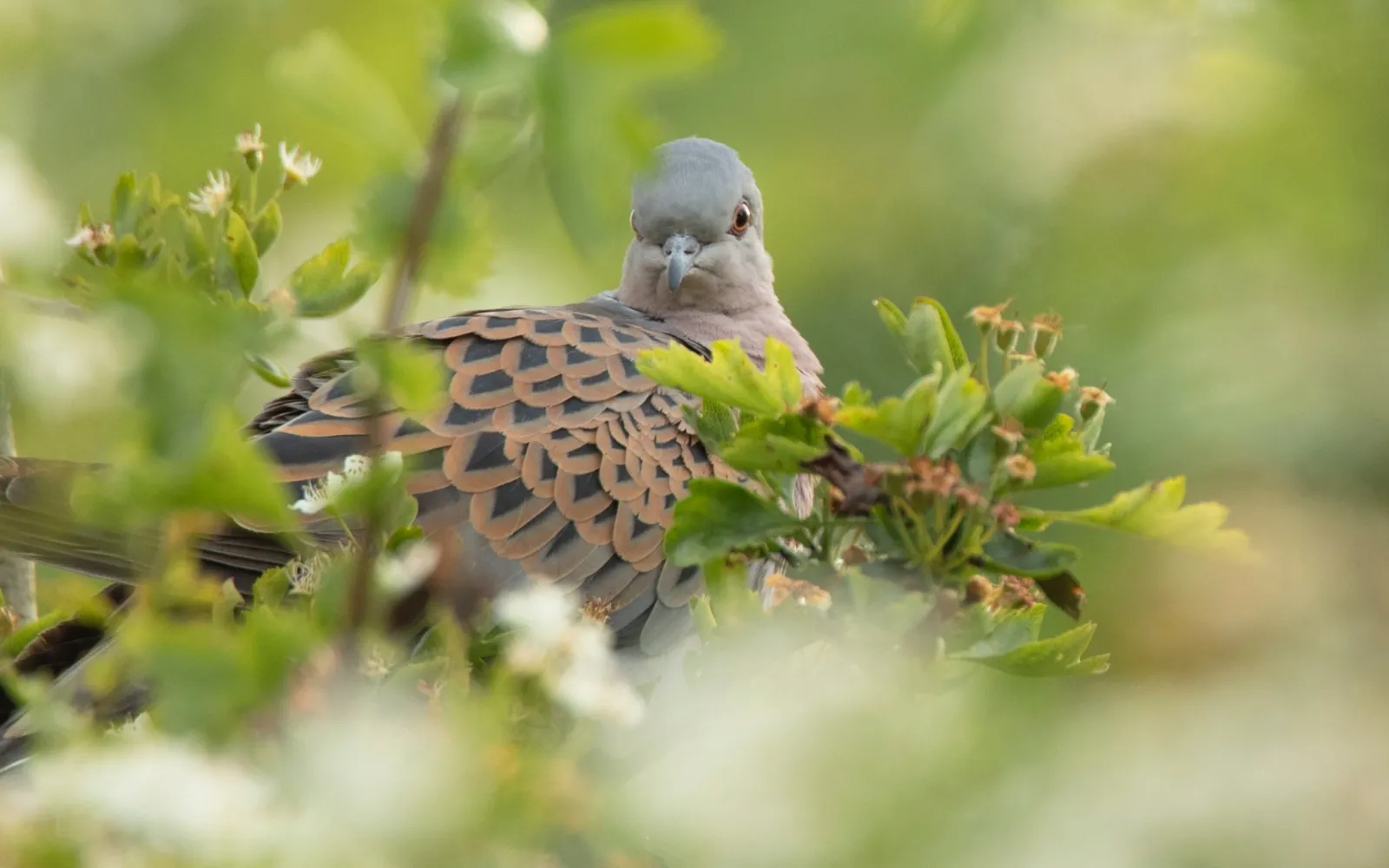
Turtle Dove numbers have plummeted by almost 99% since the 1960s. We need your help to save their gentle, purring song.
If you see or hear one, you’re very lucky! The best places to look out and listen for them are in spring and summer across East Anglia and south-east England, particularly on farmland with patches of tall scrub or tall and wide hedgerows. There are smaller populations elsewhere, as far north as North Yorkshire.
They’re a Red-listed species, and they now have a limited breeding range in the UK. They tend to be more active in the mornings, so that’s a good time to look and listen out for them.

Turtle Doves are migratory, heading off to Africa in the winter. When they arrive in the UK in spring, they build nests in scrub, and the tallest and widest hedgerows. They prefer thorny species, such as hawthorn, and will often build nests among climbers, including honeysuckle.
They eat seeds and feed on the ground in weedy areas or in the short stubble after a harvest. Seeds including chickweed and oilseed rape, as well as cereal grains, are important food sources for Turtle Doves.
.jpg)
Head outside and discover fascinating birds each month. Read on for top ID tips, what to listen for, and where to see them.