
Birds of the month
Head outside and discover fascinating birds each month. Read on for top ID tips, what to listen for, and where to see them.


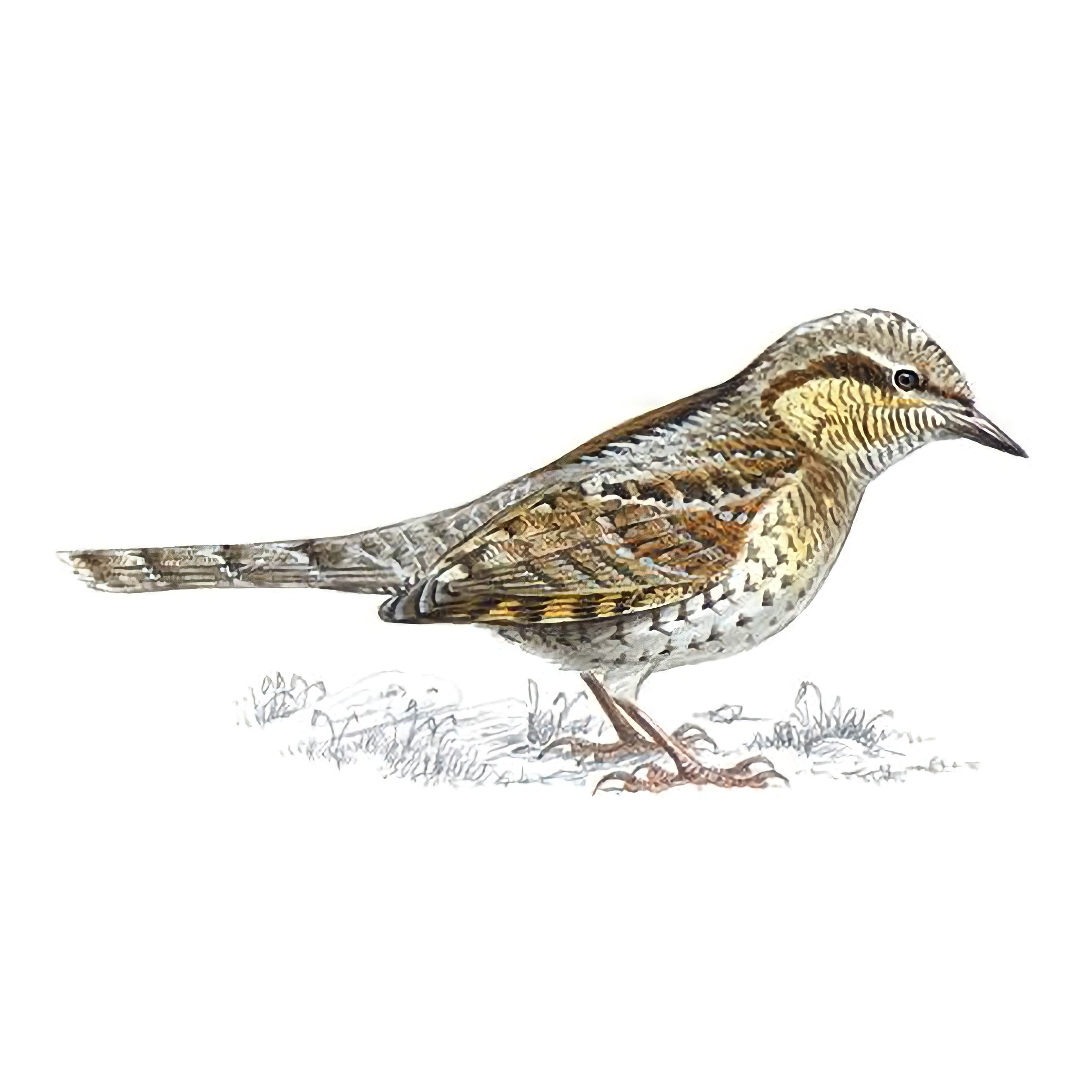

The Wryneck was once a breeding bird in the UK, but now it is usually only seen when it is passing through on migration in spring and autumn between Scandinavia and Africa. As it is no longer a breeding species here, it doesn’t have a rating in the Birds of Conservation Concern list.
On grassland usually in the east of the UK as it migrates in the autumn.
Some years there are more reports of Wrynecks than others.

They feed on ants on the ground. Most are seen near the east coast, as they migrate from Scandinavia to Africa, but they have been seen inland too and in people’s gardens.
Old names for the Wryneck include ‘twister’, ‘writhe neck’ and ‘snake bird’. These names recognise the Wryneck’s remarkable ability to turn its head from side to side and back and forth like a snake, in a move they use to deter predators. Their brown patterning or cryptic colouration helps to camouflage the bird.
Head outside and discover fascinating birds each month. Read on for top ID tips, what to listen for, and where to see them.