Days out
Aylesbeare Common Hawkerland
A stretch of peaceful heathland where butterflies and dragonflies flit above streams and Nightjars hunt moths at nightfall.
.jpg)
.jpg)
.jpg)
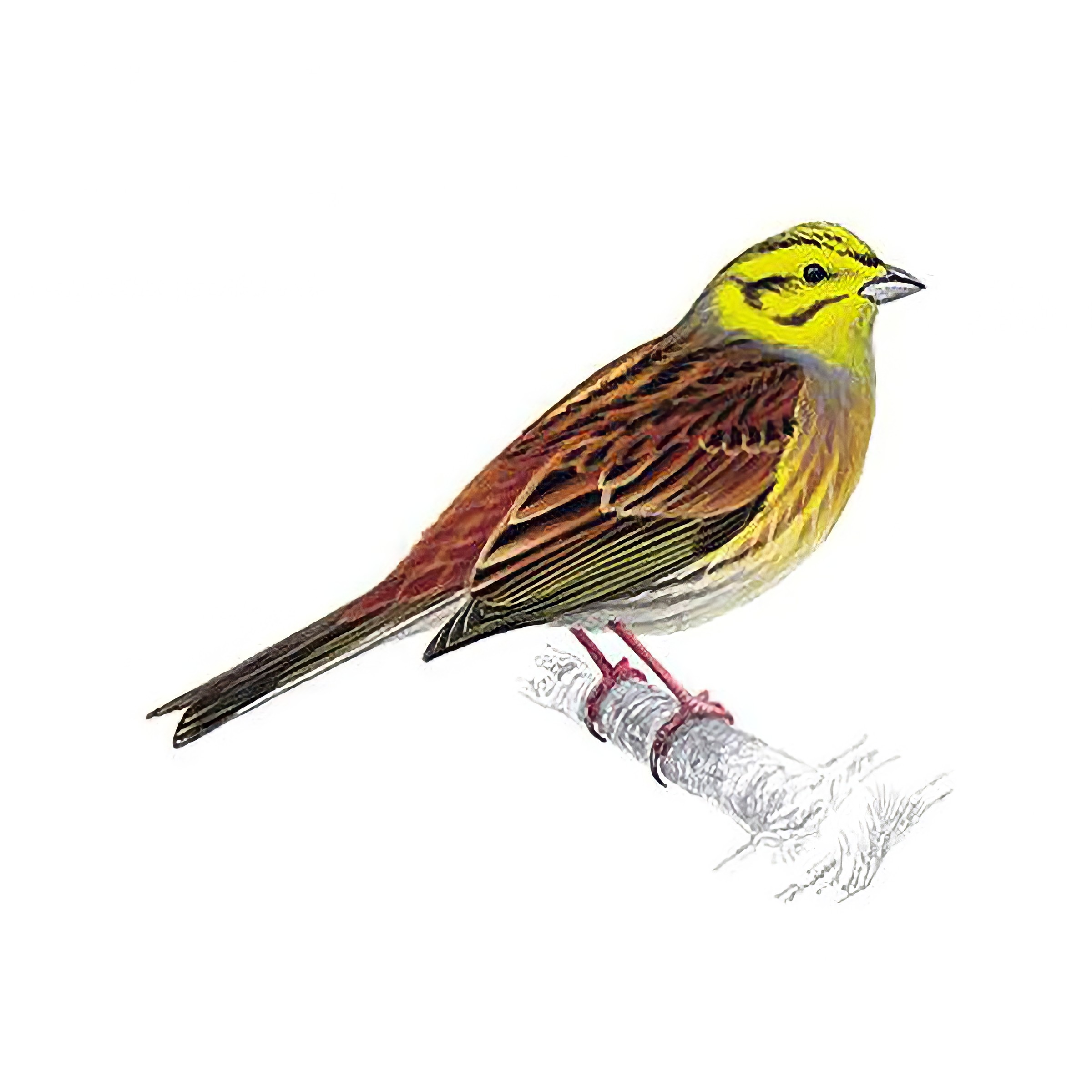
Bright yellow head and underparts
Brown back, streaked with black
Short, greyish bill
Despite being widespread across the UK until the 1960s, the Yellowhammer is declining rapidly, disappearing from some of Scotland entirely, and becoming a scarce sight in many places around the UK. Populations plummeting by 61% between 1967 and 2020 due to a lack of food and nesting habitat, earning themselves a place on the Red List.
However, things are looking up. In east County Down in Northern Ireland, we’re seeing Yellowhammers recovering in farms where we’re working with farmers to help them encourage Yellowhammers on their land. It’s proof that we can turn things around!
Yellowhammers feed on the ground, and can be seen picking through seeds. Look out for them in the Midlands and southern, eastern, and western England, West Wales, and eastern Scotland.

Yellowhammers stay on farms all year round, especially on mixed and arable farms. They tend to nest in thick hedges with ditches.
The adults mainly feed on seeds, whilst the chicks prefer to feast on insects and spiders.
Head out for a countryside stroll along the coast and you might get the chance to witness an iconic performance. Perched at the top of bush, a little yellow bunting – as bright as the surrounding gorse flowers – belts out his distinctive ditty: ‘a-little-bit-of-bread-and-no-cheese’.
Their call has been described as ‘a little bit of bread and no cheese,’ but it sounds more like ‘si-si-si-si-si bzuuuu.’

Head outside and discover fascinating birds each month. Read on for top ID tips, what to listen for, and where to see them.