National Grid's Sea Link project 22/23
Energy development proposals along the Suffolk coast pose serious concerns for wildlife. Updates from Dec 2022 and Nov 2023.
Renewable energy and linked infrastructure is needed but not at the cost of the natural world.

The RSPB supports renewable energy and the infrastructure needed to ensure connectivity for renewable power to the national grid. However, we are in both a nature and climate crisis and helping solve climate issues must not, and need not, come at the cost of the natural world. The Sea Link project that could see National Grid route new energy cables through important wildlife sites in Suffolk, including underneath RSPB North Warren, and in Kent, has completed the formal stage of the decision-making process (Examination) and is awaiting a decision. Here we explain the RSPB’s position.
Sea Link is a proposed electrical cable which would carry energy that has been generated from various sources including offshore windfarms via a connection between Suffolk and the Kent coast.
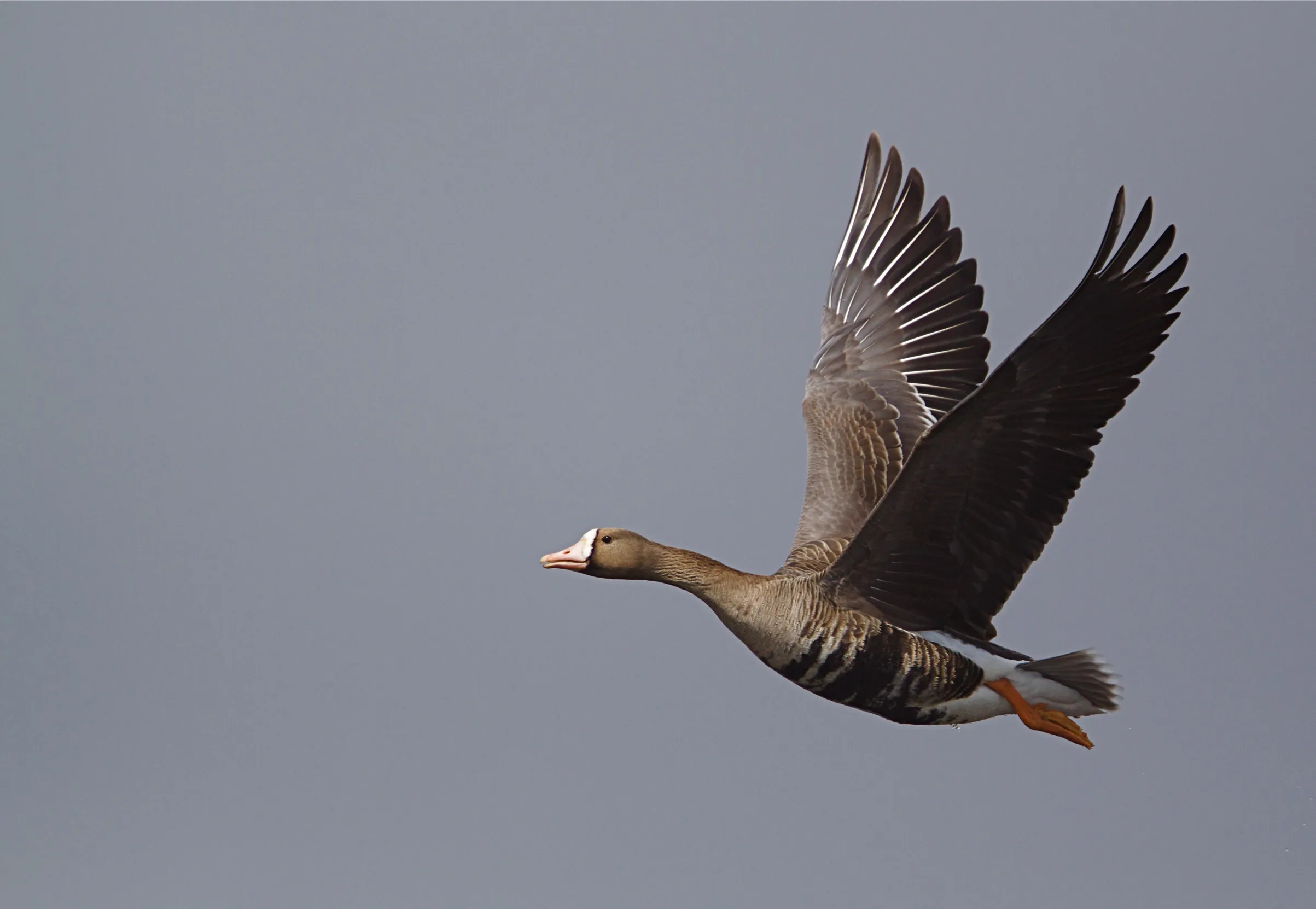
The proposed location for the undersea cables to emerge on to land for the Sea Link project in Suffolk is within the RSPB’s North Warren nature reserve and Leiston-Aldeburgh Site of Special Scientific Interest (SSSI). The nature reserve has been an established and undisturbed haven for wildlife since 1939 and is a SSSI due to its conservation importance. The grazing marshes and reedbeds at RSPB North Warren host thousands of ducks, swans and geese in winter including nationally important numbers of wintering White-fronted Geese whilst spring brings breeding Bittern and Marsh Harrier. A cable route here could cause disturbance to birds and other wildlife, and damage to precious habitats during construction. The proposed cable route also runs close to the wildlife-rich grassland and scrub of the Sandlings Special Protection Area (SPA), raising concerns about potential disturbance and loss of habitat for breeding Woodlark, Nightjar and Turtle Dove.


In Kent, the cable route would cross the Thanet Coast and Sandwich Bay Ramsar (wetland of international importance) and SPA, Sandwich Bay SAC (Special Area of Conservation) and Sandwich Bay to Hacklinge Marshes SSSI. These hugely important coastal habitats support internationally important populations of birds including wintering Golden Plover. National Grid have proposed to create compensatory habitat for the wildlife rich land that would be lost, but there are questions around the suitability of its location. Access routes, a converter station, and pylons could cause potentially serious harm to coastal habitats and Red-listed farmland bird populations, including at Minster Marshes.
Update: May 2026
At the beginning of the Examination, (in November 2025), the RSPB submitted its Written Representations. These Representations are a detailed commentary on all our concerns about the Sea Link project and how we think they should be addressed.
The RSPB has repeatedly questioned why routes within nationally and internationally important wildlife sites have been proposed as locations for this development. We believe that National Grid has not convincingly shown that no alternative routes are available and have therefore raised our objection to the proposals at these sites in our Representations.
However, given that the project may be consented despite our concerns, we also submitted comments seeking to ensure that impacts of the works processes within important wildlife sites in both Suffolk and Kent are reduced as far as possible, should the project be consented. You can find both our full Written Representations and a Summary version in the downloads section below.
National Grid also approached RSPB to seek consent to carry out the works within the RSPB’s land at North Warren, if the project is approved. As the proposed works form part of a Nationally Significant Infrastructure Project, National Grid would ultimately have powers to compulsorily acquire rights over our land should we be unwilling to enter these discussions. Although we are objecting to this project in principle, given that the project may be consented despite our concerns, we felt it would pose a greater risk of damage to North Warren if the works are planned without any input from the RSPB’s site team.
In order to influence the proposals for operations within North Warren and reduce impacts on wildlife as far as possible, we have had ongoing discussions with National Grid. These discussions are seeking to ensure that impacts of the works processes within North Warren are reduced as far as possible, should the project be consented. We submitted further comments on these topics during the Examination.

The Examination closed on May 5th 2026. We submitted a final statement about our position just before the close and this can be found in our downloads section, but we have summarised the key points below:
Energy development proposals along the Suffolk coast pose serious concerns for wildlife. Updates from Dec 2022 and Nov 2023.