Feature

Coquet Island seabird sanctuary

Off the Northumberland coast is Coquet Island, a vibrant seabird reserve that's home to the UK’s only breeding Roseate Terns. It's also an important site for nesting Puffins and Common, Sandwich and Arctic terns.
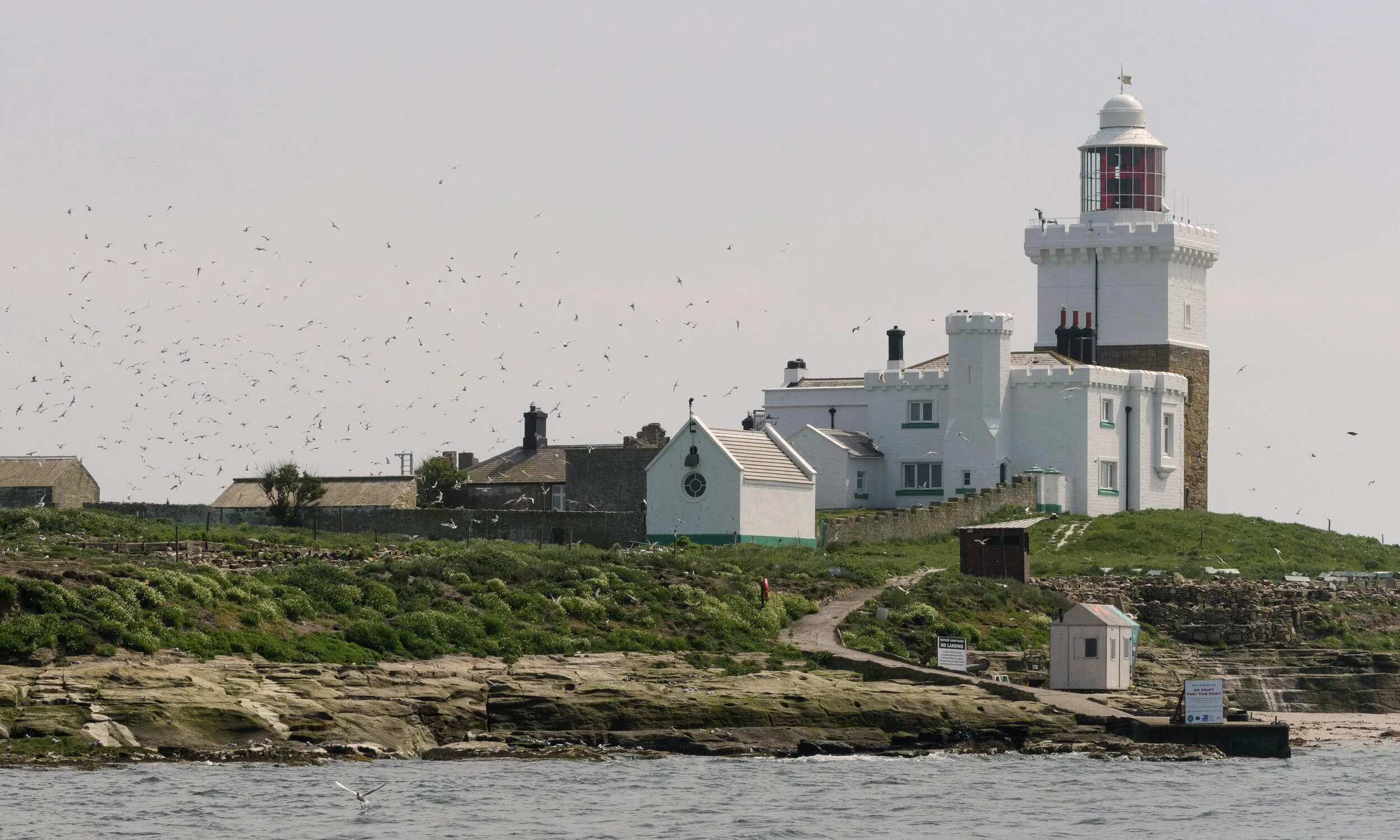
A view of Coquet Island lighthouse, taken from the water
On this page

Overview

Just a mile off the Northumberland coast, Coquet Island is home to 40,000 breeding seabirds and is the only place in the UK where Roseate Terns (nicknamed Rosy/Rosies) breed. It also supports breeding Puffins, as well as Common, Arctic and Sandwich Terns and is protected under international and UK law. In recent years a few pairs of Mediterranean Gulls have nested.

We give the public a great insight into the wildlife on Coquet Island by having live camera feeds during the breeding season.

Due to its importance for Roseate Terns, Coquet Island is a dedicated wildlife sanctuary and is not open to the public.

Objectives

Our aims for Coquet Island are to:

  • Increase/maintain the number of breeding seabirds on the island above 40,000 through habitat and predation management, and through protection from human disturbance
  • Increase the breeding Roseate Tern population through the provision of nest terraces and habitat management
  • Use Coquet Island as a feeder site to expand the breeding range of Roseate Terns
  • Maintain and increase the numbers of Arctic, Common and Sandwich Terns
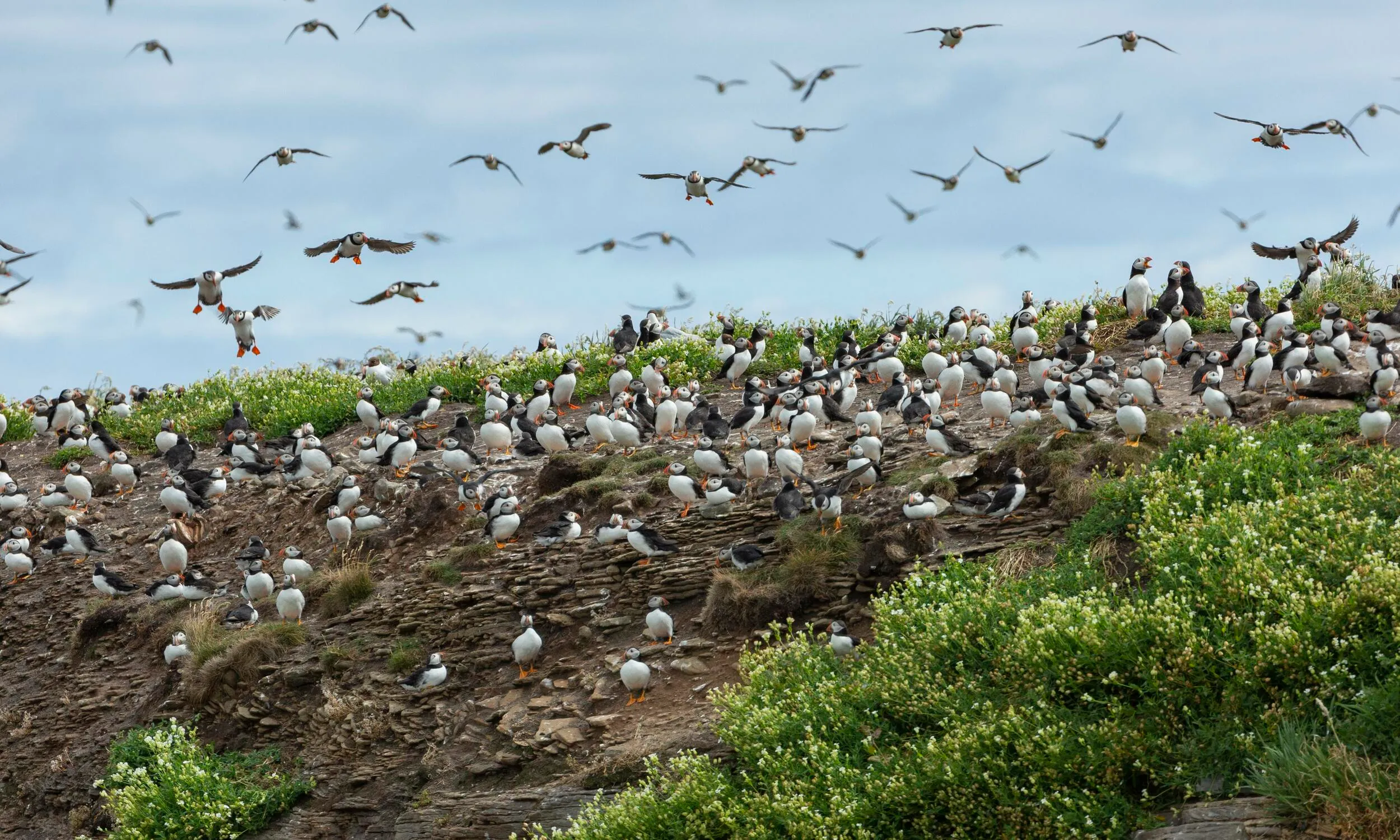
A view of puffins taking flight from a green and earthy ground, on Coquet Island.

Planned Work

We hope to attract more nesting Roseate Terns by maintaining nesting terraces and nest boxes. 

Coquet Island through the years

1970

  • Residential wardens began working on the island during the breeding season.

1990

  • Wardens moved from living in a shed to the lighthouse, which became automated.

1991

  • The first Kittiwake nested on Coquet: the population has now grown to 448 pairs.

2015

  • Pairs of Roseate Terns topped the 100 mark for the first time since their decline 40 years ago.
  • The number of Rosy chicks ringed since the ringing began reached 1000.
  • Four pairs of Mediterranean Gulls nested.

2016

  • The ruined cottages on the island were restored, allowing us to host residential volunteers in the months either side of the breeding season.
  • Launch of the EU Roseate Tern Life project.

2017

  • 25 tern rafts were created by inmates at HMS Northumberland prison.
  • A total of 4520 pairs of terns nesting on Coquet Island.
  • Live streaming from two cams brought Coquet to the world. One cam was set up inside a Rosy nest box – a world-first, giving a peek into the secret life of the Roseate Tern. Between May and August, there were more than 1.5 million visits to the online live feed.

2020

  • EU Roseate Tern Life project came to an end. Through this project we enhanced the monitoring and management of our existing Tern Colony. Along with improvements to the infrastructure of the main Roseate Tern breeding sites.

2022

  • 154 pairs of Roseate Terns nest, but unfortunately the island’s seabirds were badly affected by bird flu (HPAI).

2023

  • Another bad year for bird flu.

2024

  • The seabirds had a break from HPAI with 175 Roseate Tern chicks fledging, our highest number to date.

2025

  • A record number of Sandwich Terns bred on the island with 2282 nests.

Video streams

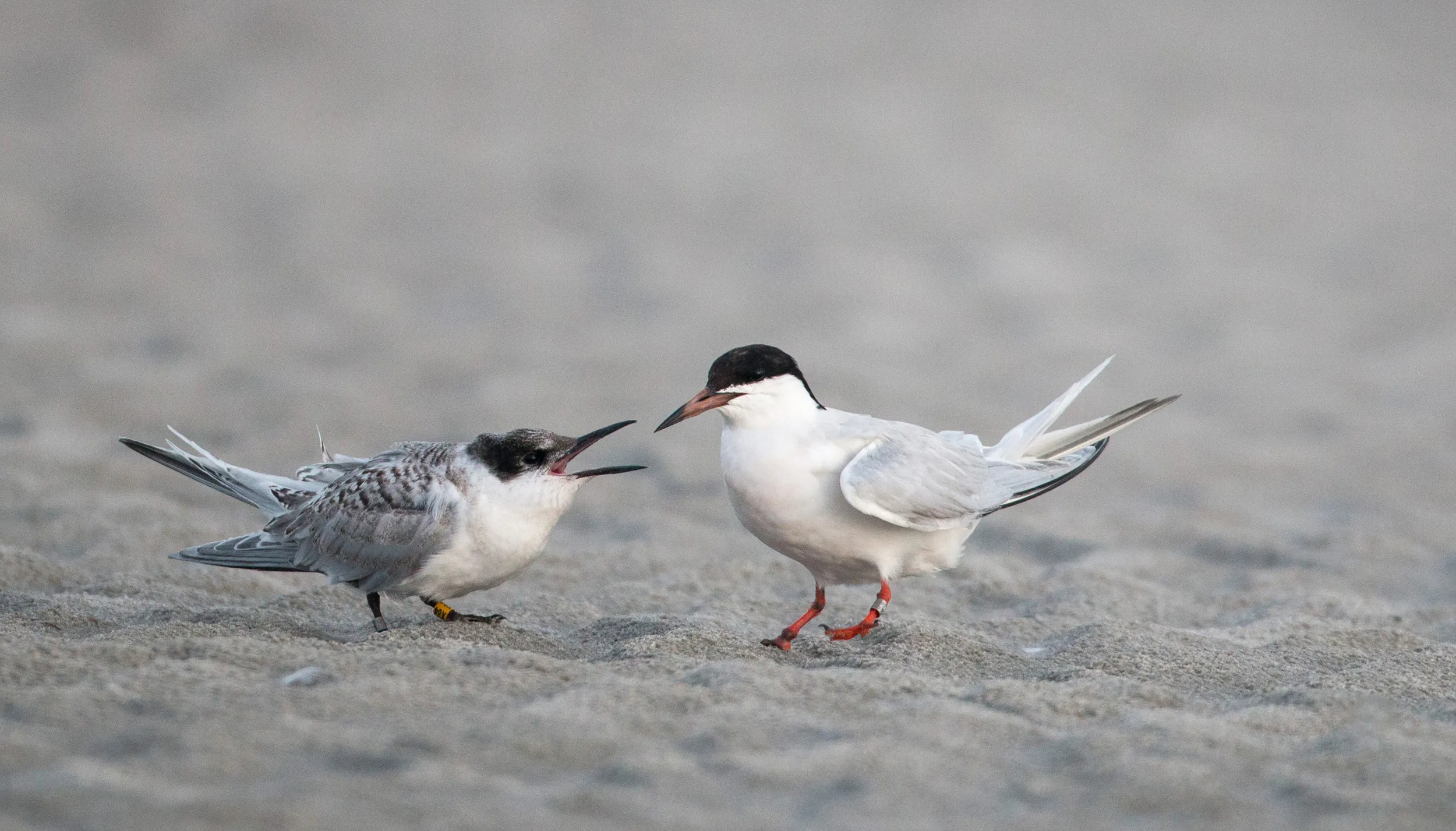
An adult Roseate Tern feeding their chick on a sandy beach.
Roseate Tern and chick
Nesting Terrace of Roseate Terns

Observe Roseate Terns and their natural breeding habits on the nesting terrace.

Close up view of a Puffin with a mouth full of Sand Eels.
Puffin
Top of the hide

Spot Puffins, Roseate Terns and a variety of other seabirds on top of this lively hide.

Nest boxes with a number of Roseate Terns perched on top of each of them.
Nest boxes
Roseate Tern nestbox

Take a look inside a Roseate Tern nestbox to see what’s happening.

A view of puffins taking flight from a green and earthy ground, on Coquet Island.
Coquet Island Puffins
Puffin burrow

See a pair of nesting Puffins up close and personal with our burrow cam!

Contacts

Sarah Dalrymple
Northumberland Coast Site Manager

Share this article