Feature

A quick summary of the planning system in Scotland

What is the planning system, what's it for and why is it needed?

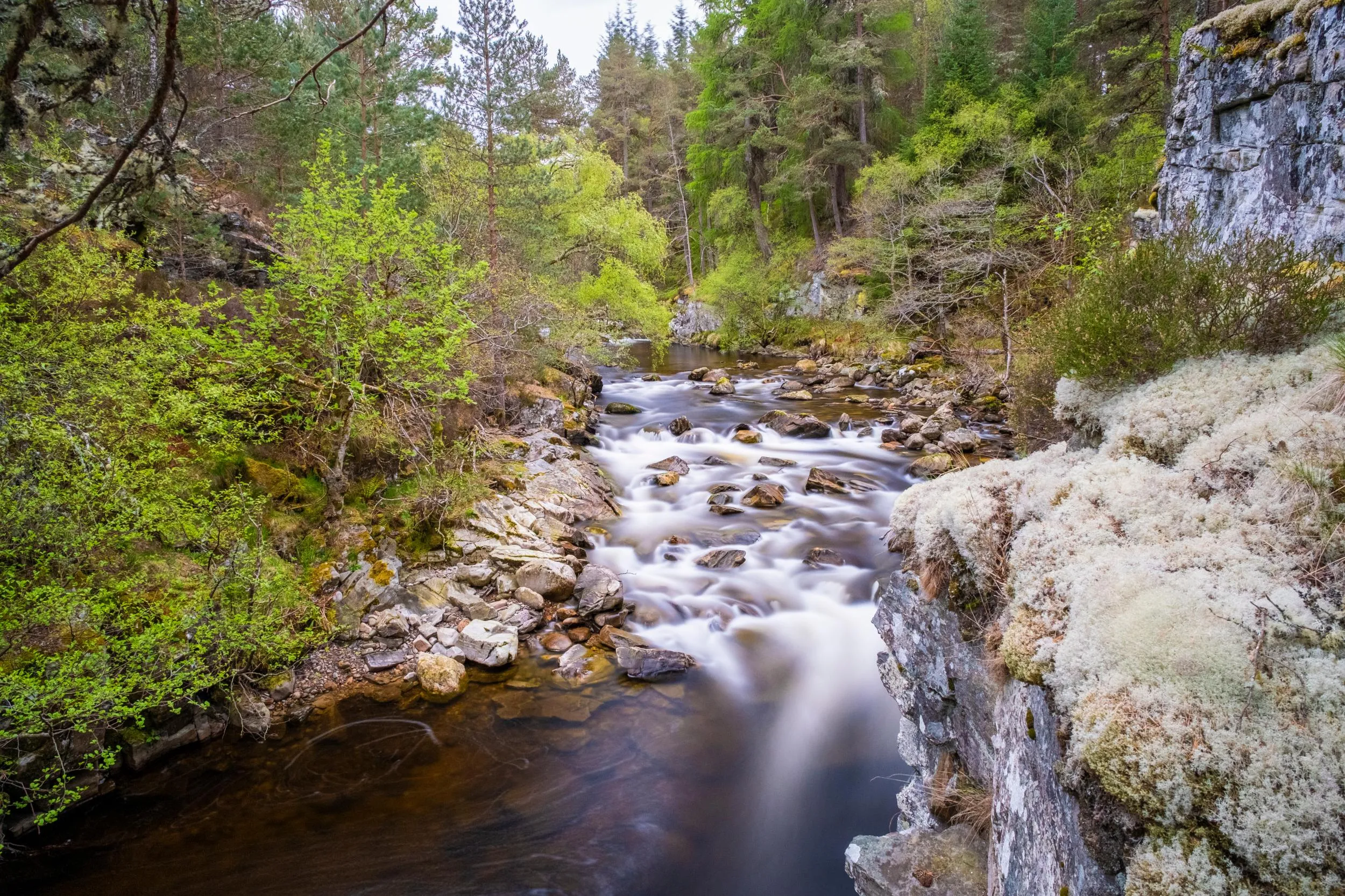
The river Tromie in full flow through the forest
On this page

Last updated: 2 July 2025

What is the planning system?

The planning system, sometimes called town and country planning or land use planning, is all about managing the development of land and buildings in our towns, cities and countryside. According to the Planning (Scotland) Act 2019, the purpose of planning is to manage the development and use of land in the long-term public interest. 

Planning should make sure that the right development happens in the right place. It can be a powerful tool for delivering change on the ground, in a way that considers various competing interests while benefiting the public in the long term.    

Heather
Top tip

Planning is a fully devolved function of the Scottish Government, meaning that the responsibility for planning matters has been transferred from the UK government to the Scottish parliament. Be careful when searching for resources online that they don’t refer to another UK country, as it’s likely there will be differences. 

The planning system in Scotland is a plan-led system, meaning planning decisions must be made in line with the area’s development plan. However, other considerations (known as material considerations) relating to the land can be taken into account – this could include things like access or infrastructure. 

A ‘material consideration’ is defined by the Scottish Government as a planning issue which is relevant to the application and can include national policy, the design of the proposed development, and its effect on the environment. The council must decide how important these material considerations are. Read more about material considerations in this Planning Aid Scotland guide

In Scotland, the ‘development plan’ consists of the Local Development Plan (LDP) for the council area that you’re in, and Scotland’s Fourth National Planning Framework (NPF4).   
What is ‘development’?

The term ‘development’ in the Town and Country Planning Act (Scotland) 1997 is defined as: 
 

  • The carrying out of building, engineering, mining or other operations in, on, over or under land (but not internal building works), or 

  • The making of any material change in the use of any buildings or other land, for example a barn to a house, and/or land, for example a greenfield site being used for new housing. (Planning ‘uses’ are classified in the Use Classes Order), or  

  • The operation of a marine fish farm 
     

Generally, development proposals are either operational development, such as a building or construction of some sort, or a change of use of a building or area of land, or both.  

Some types of development, known as permitted development, can be carried out without planning permission. 

Who is responsible for local planning?

Most planning decisions are made by the planning authority, which also produces a plan for the area. There are 34 planning authorities in Scotland – the 32 local authorities (or councils) plus the two National Parks:  Loch Lomond and the Trossachs National Park and Cairngorms National Park.

Within the boundary of the Cairngorms National Park, the National Park Authority has different planning powers from the other planning authorities, and from Loch Lomond and the Trossachs National Park. The Cairngorms National Park Authority can only ‘call-in’ certain planning applications, which have been submitted to one of the five local authorities that operate within the National Park’s boundary. Most applications within the National Park are dealt with by the relevant local authority.   

A wildflower meadow filled with UK native flowers
A native wildflower meadow
Top tip

To find out who your planning authority is, enter your postcode here. 

Community councils must be notified of planning applications submitted in their areas and given the opportunity to comment on them. However, they do not have the power to determine planning applications. Although they have a very important role, they do rely on volunteers and not every area has a community council. You could check if one is active in your area and if not,  why not think about how you could organise one? 

 The ‘plan-led system’ means that plans are made for all areas in Scotland to guide development and decision making. There are two main elements – development planning and development management. 

What is development planning?

Development planning is the process of preparing, consulting on and ultimately adopting a plan containing the all-important planning policies for the area. This plan is called a Local Development Plan.  

It contains maps which show where different types of development are acceptable and highlights protected areas. The plan also includes policies on a wide range of issues to help guide decision making. including how biodiversity will be protected from development and even enhanced in line with national policies and legislation. 

What is development management?

Development management is the process of decision-making on applications for development proposals.  

Every valid planning application must be registered, publicised and properly considered against relevant planning policy. The decision will then be made in line with the procedural requirements.  

The planning authority deals with a range of other applications including listed building consents, advertisement consents and tree works applications.  

To learn more about the different elements of the planning system, take a look at our reference guides on the  Scotland planning system landing page.  

Share this article