What is COP30?
COP30 is a gathering of hundreds of countries to discuss and agree on action to combat climate change.
The Scottish Government have launched a new Climate Change Plan. Scotland’s incredible wildlife and wild spaces can help us tackle the climate and nature emergency.
5 min read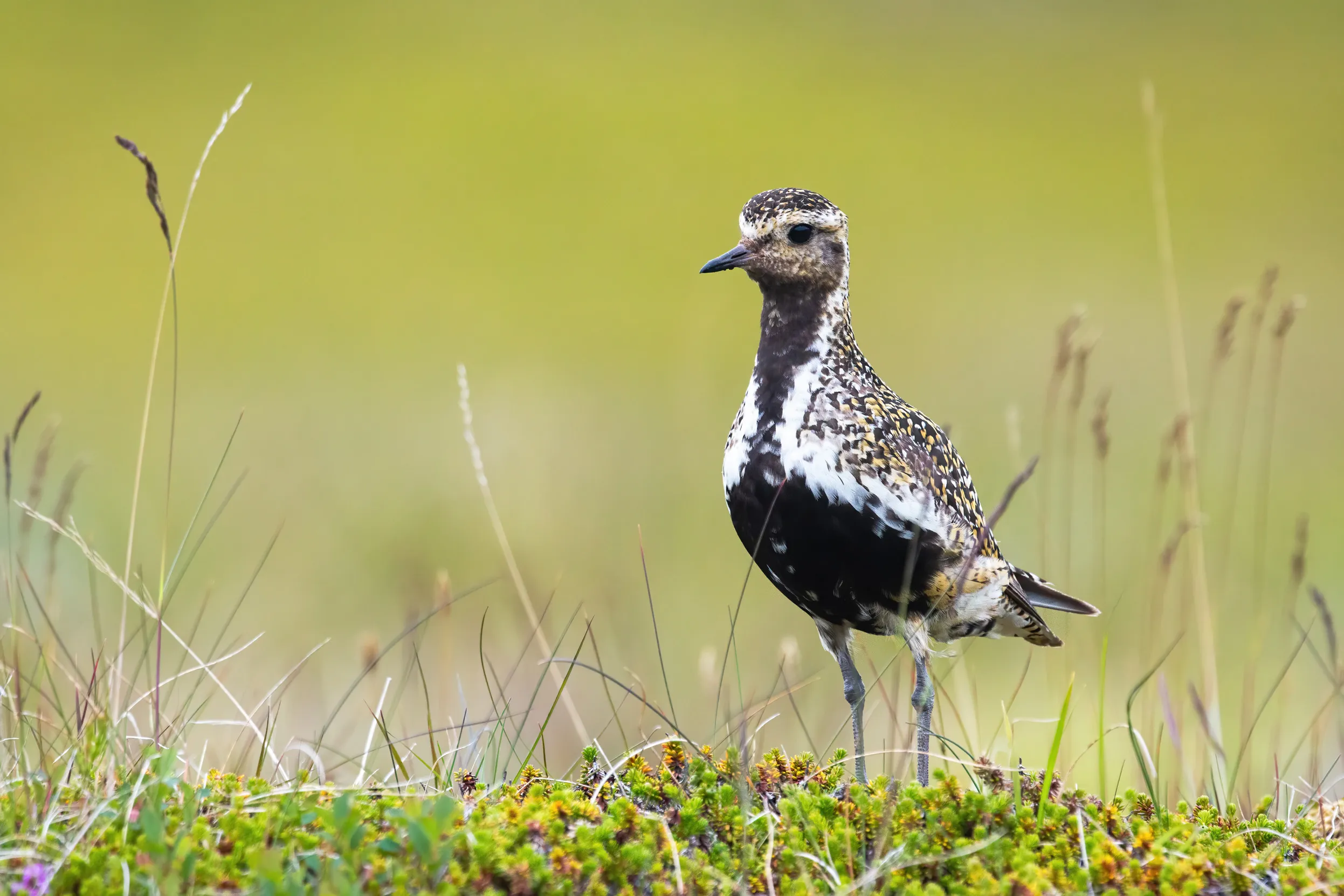
As world leaders meet for COP30 in Brazil, it’s a key moment to talk about how nature can help tackle climate change. By restoring nature, we can reduce emissions and build resilience while replenishing the biodiversity this planet needs to survive.
In Scotland, last week saw the launch of the Climate Change Plan, the Scottish Government’s strategy to reach Net Zero by 2045. The plan recognises that the climate and nature emergency are deeply connected and must be tackled together. But it lacks ambition when it comes to real action to restore nature as part of our Net Zero journey.
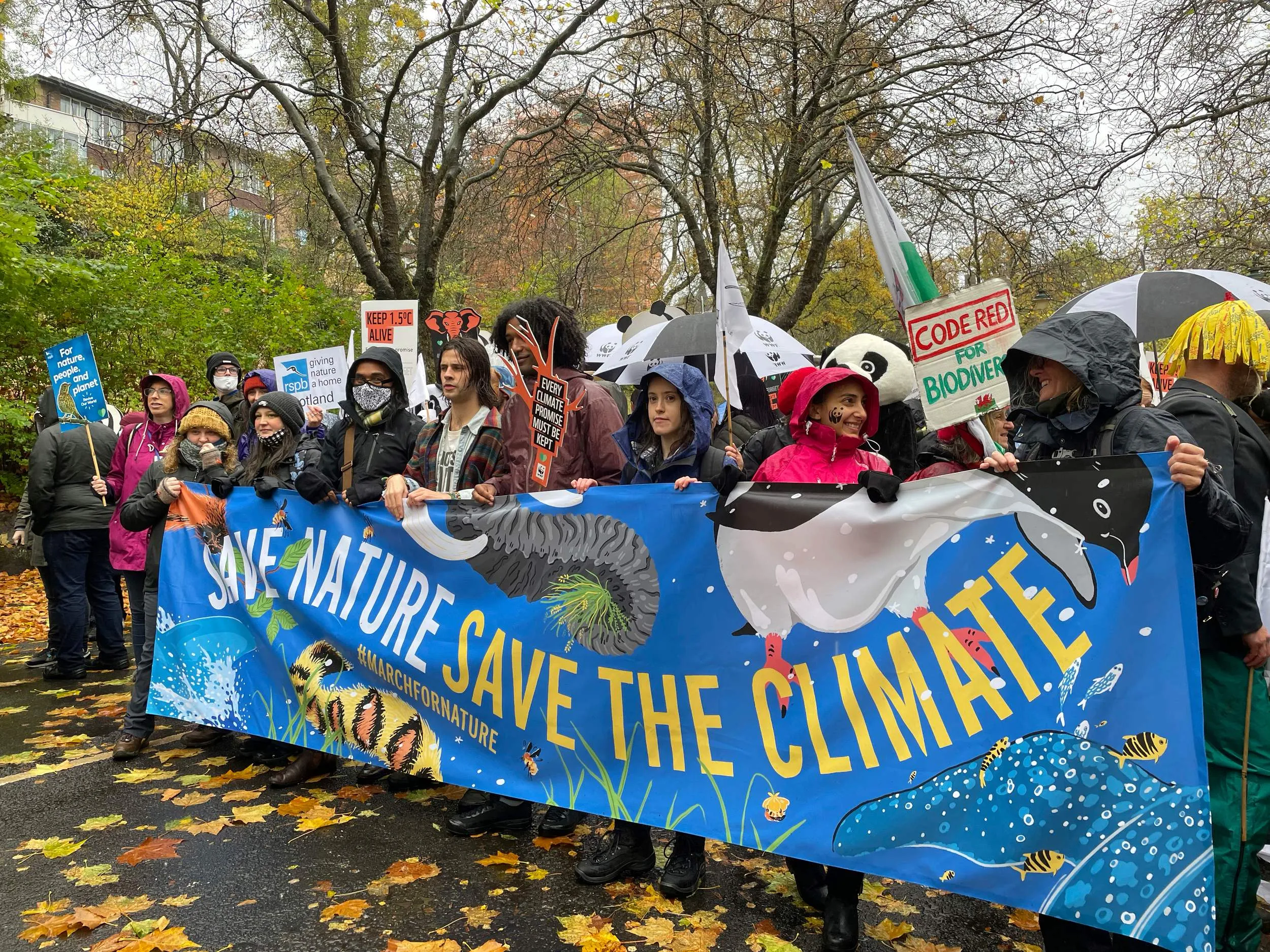
This weekend we’ll be joining a big march in Glasgow calling for urgent nature and climate action now. Join us there if you can. In the meantime, here’s five ways nature can help fight climate change in Scotland.
COP30 is a gathering of hundreds of countries to discuss and agree on action to combat climate change.
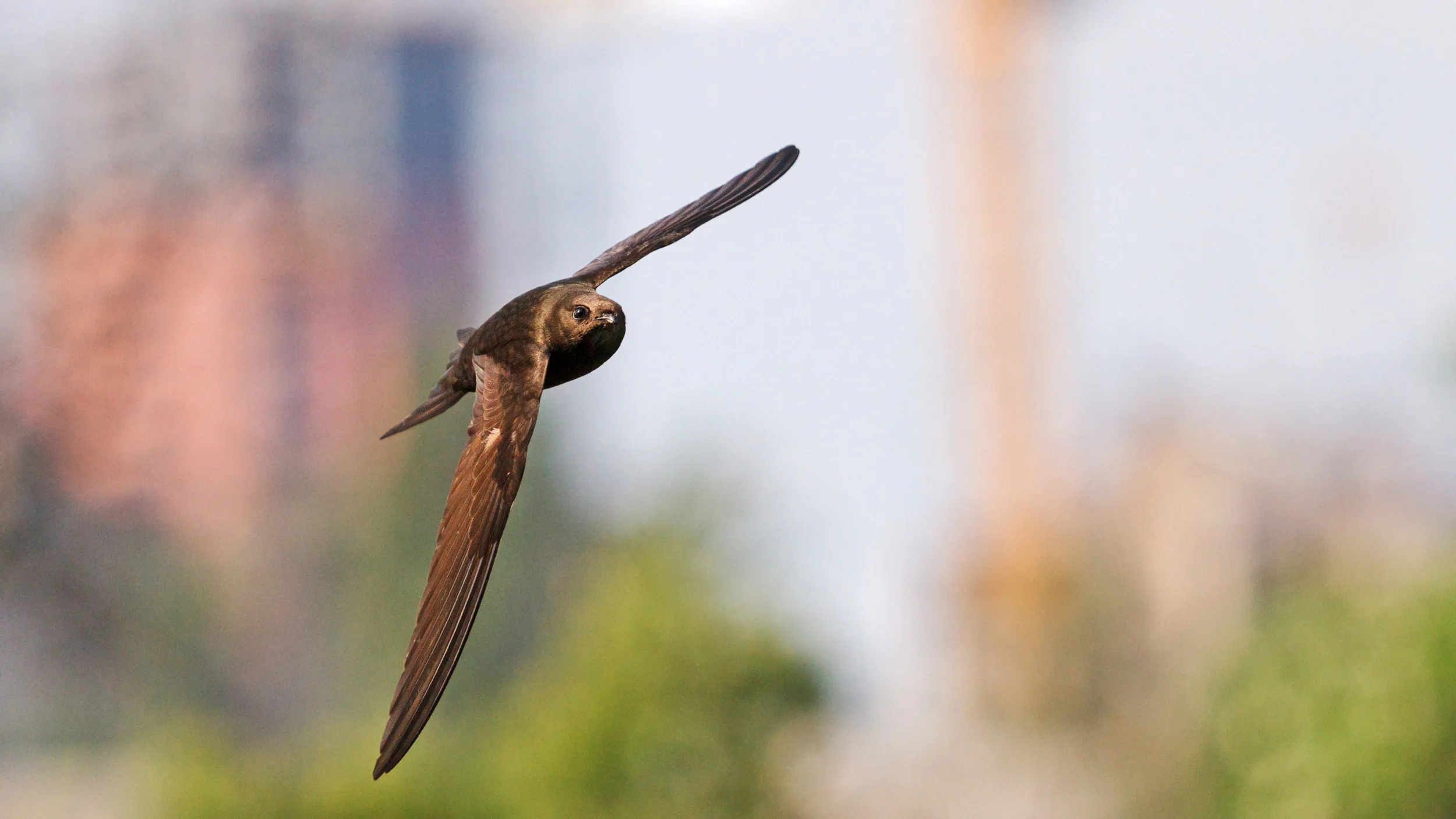
Scotland is home to breathtaking wildlife and landscapes, but it is actually one of the most nature-depleted countries in the world. One in nine species are at risk of national extinction, from Puffins to Swifts. The Natural Environment Bill, which is currently going through the Scottish Parliament, could help turn this around by introducing legal nature restoration targets. This could drive action to restore precious habitats, lock in carbon, and build resilience back into Scotland’s landscapes.

With around three-quarters of Scotland farmed, agriculture has a key role to play in tackling the climate and nature emergency. Nature-friendly farming can help by making space for wildlife like Corncrakes and Curlews and restoring precious habitats such as hedgerows, species-rich grasslands, and peatlands. This in turn helps protect against flooding and droughts, soaks up emissions and improves the health of soils. Join our call for more funding for nature-friendly farming in Scotland.
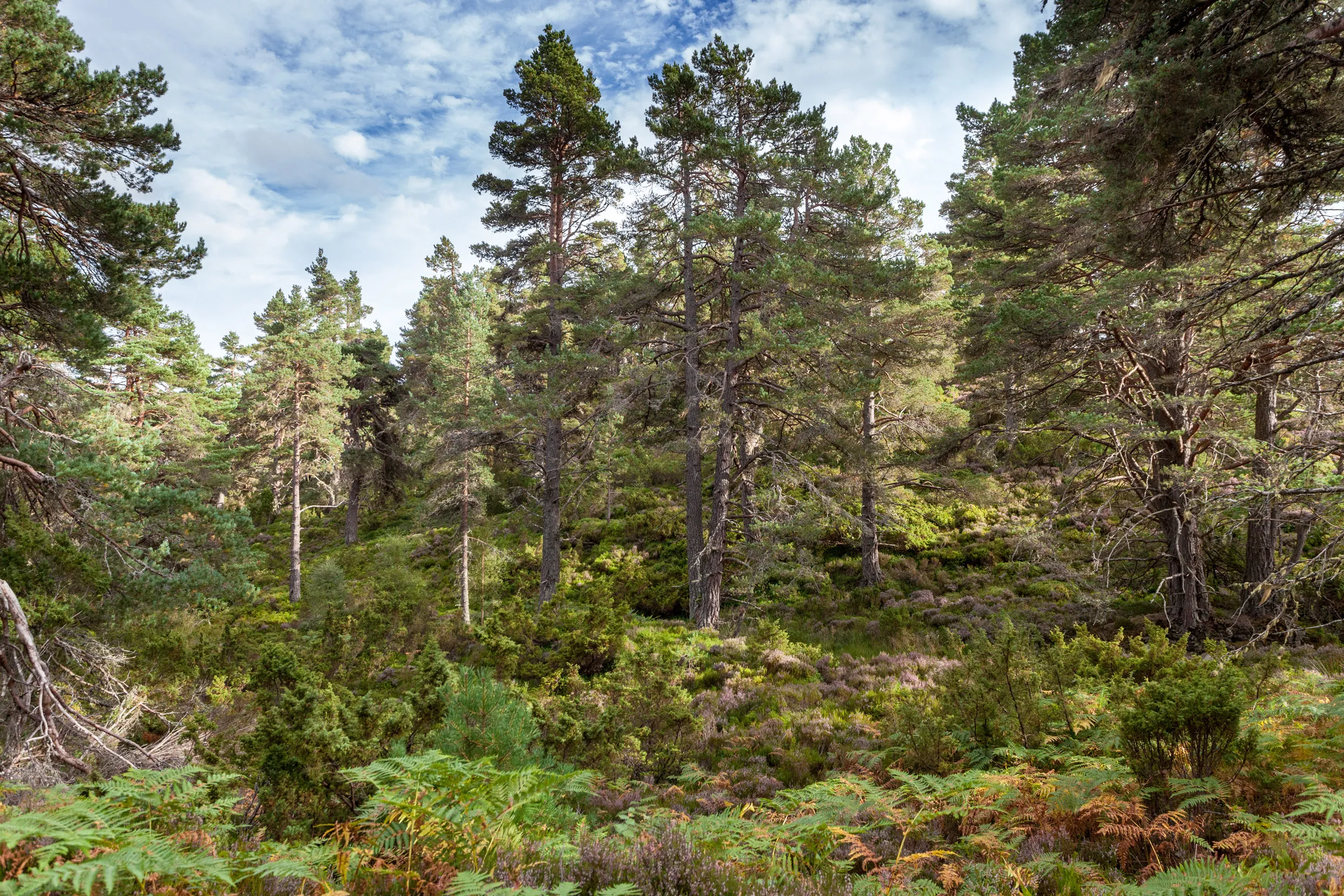
Restoring and expanding Scotland’s native woodlands can help absorb carbon while creating habitats for iconic species like Red Squirrels and Capercaillie. We’re helping restore ancient native pinewood in the Cairngorms and temperate rainforest in western Scotland. The Scottish Government aims to increase tree cover by 18,000 hectares a year by 2030. This is a start but much more urgency is needed. We’re also calling for at least half of this tree cover expansion to be native woodland.
Peatlands cover vast areas of Scotland, with the Flow Country home to the largest blanket bog in the world. Healthy peatlands can store huge amounts of carbon, but damaged peatlands release it into the atmosphere. Unfortunately, 80% of our peatlands are damaged, and peatlands are one of the biggest sources of emissions in Scotland. By restoring them we can cut emissions and help species like Hen Harriers and Golden Plovers thrive. The Scottish Government aims to restore 400,000 hectares of peatland by 2040. But, with 1.8 million hectares of peatland damaged, there is much more work to do.
Scotland’s seas could lock up four times more carbon than all its forests each year. Marine habitats like saltmarshes, seagrass meadows and the seabed are crucial for this, but they are under threat. By protecting and expanding these special habitats through well-managed Marine Protected Areas (MPAs) and strategic marine planning, we can restore biodiversity while fighting climate change. That’s why we’re calling for strong safeguards for these important areas to protect blue carbon stores and our precious ocean wildlife – from Puffins to Basking Sharks.

Join us at the climate march at Glasgow Green on Saturday 15 November to help send a message to Scotland’s politicians that we need action for climate and nature now.
You can also add your voice to our nature-friendly farming campaign, look out for updates on the Natural Environment Bill, or write to your MSPs about any of the issues we’ve mentioned above. To find out more about ways you can get involved, sign up for our campaign updates.