Life 100% for Nature report
The project aimed to improve habitats at risk and help threatened species on 11 RSPB Scotland reserves.
The LIFE 100% for Nature project has improved key habitats, supported threatened species and benefitted communities and business across Scotland.
5 min read
The LIFE 100% for Nature project has shown how Scotland can deliver on its ambitious biodiversity targets and help meet international conservation commitments through trialling innovative techniques and demonstrating best practice land management solutions that can be replicated throughout Scotland.
A key success of the project is the legacy it leaves, laying the groundwork for continued practical conservation work together with communities, which will help ensure important habitats and species in Scotland have a better chance to thrive in the future.
The project aimed to improve habitats at risk and help threatened species on 11 RSPB Scotland reserves.
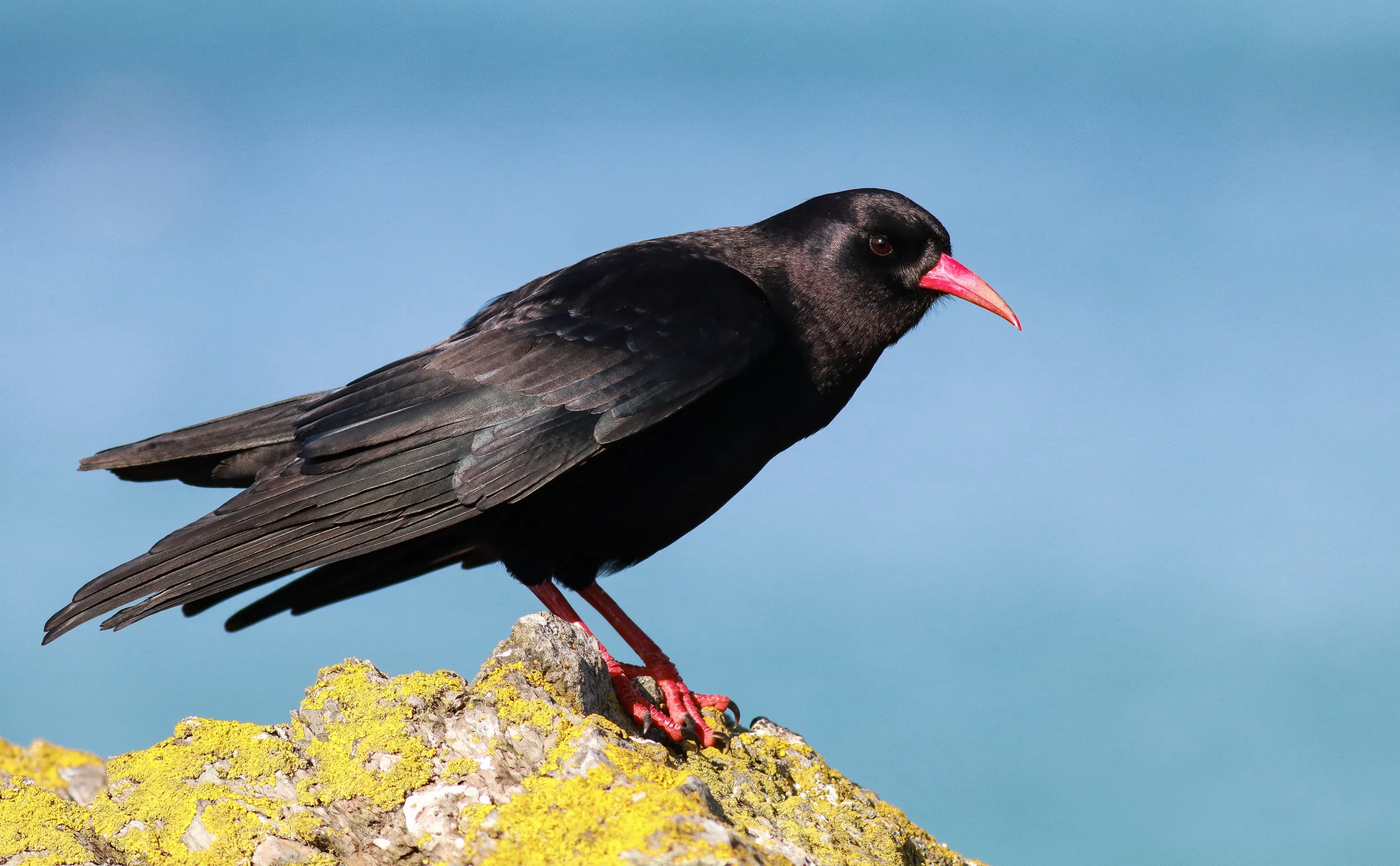
The project had outstanding results. Over 3,500 hectares of habitat have been improved across a number of RSPB Scotland's nature reserves. Better conditions have been created for some of Scotland’s most endangered species including Capercaillie, where numbers have risen from 18 lekking males in 2020 to 29 in 2025 at RSPB Abernethy despite declines elsewhere, and Chough, which have increased on RSPB Scotland's Islay reserves from seven pairs to 10 pairs.
LIFE 100% for Nature has also benefitted communities through creating jobs, developing over 60 volunteers and supporting local business and has celebrated success in developing innovative and effective management practices to benefit nature which can be replicated in other areas to restore Scotland’s incredible natural environment.
The achievements made as part of LIFE 100% for Nature demonstrate we can make significant strides towards reversing biodiversity loss and restoring Scotland’s incredible habitats and species. The success has also showcased how restoring nature can benefit communities through providing jobs and green skills, supporting local business, and providing opportunities to boost wellbeing. It’s clear that dedicated nature conservation efforts, collaborative partnership working and the use of innovative techniques will benefit Scotland’s wildlife and people.

Invasive scrub and trees can threaten dune systems like those at RSPB Scotland Culbin Sands. Through the project, engagement with volunteers provided the people power needed to remove invasive scrub. During LIFE 100% for nature approximately 12 hectares of scrub were removed allowing species like Kidney Vetch to emerge, benefitting species like the rare Small Blue and Dingy Skipper butterflies that need these plants as food sources.
To enable regeneration of Ancient Oak Woodland at RSPB Scotland Inversnaid, herbivore pressure needed to be managed to allow seedlings to mature into established trees. Through the project, contractors installed fencing to exclude herbivores from key areas, state of the art technology was used in monitoring and collaboration with landowners helped to reduce herbivore pressure. In these areas, signs of regeneration, particularly of Hawthorn and Rowan, have appeared.
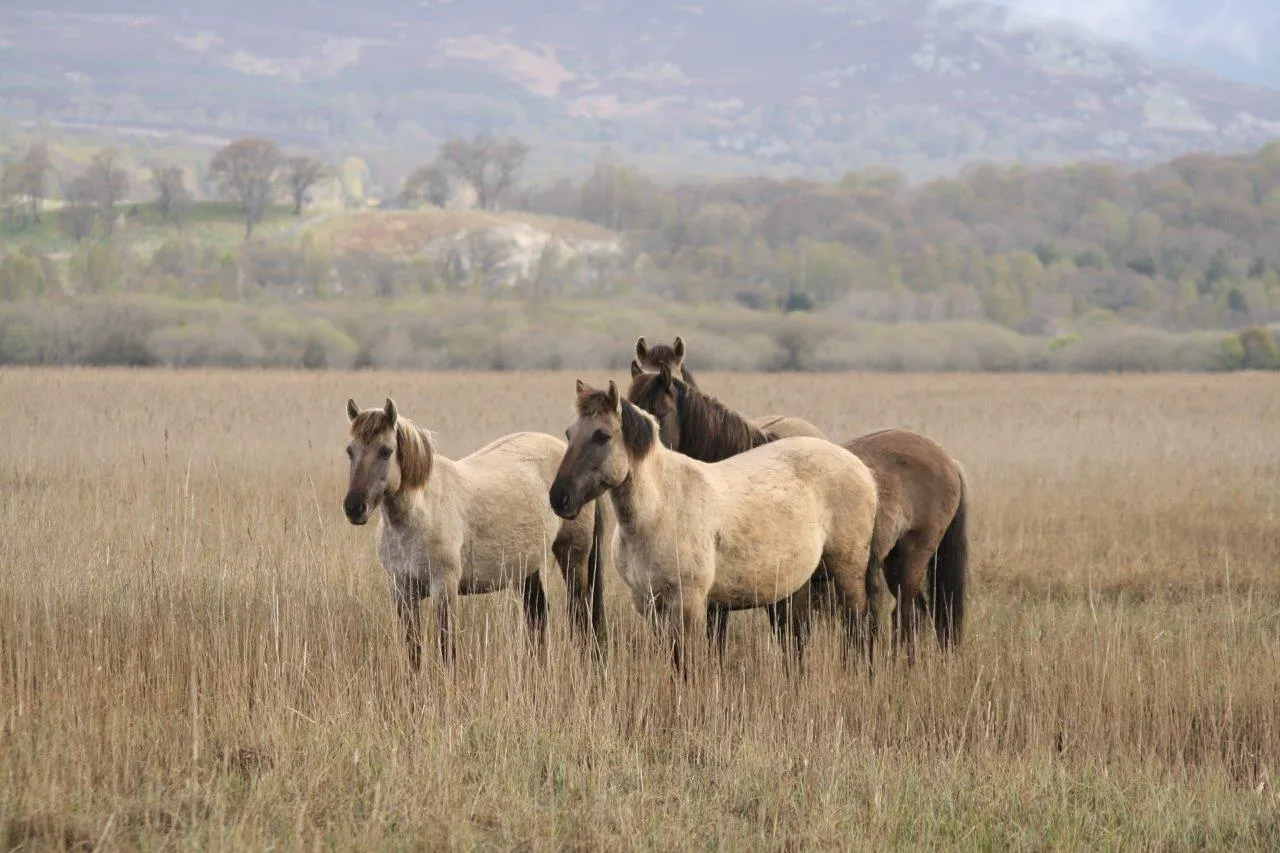
RSPB Scotland Insh Marshes has nationally important fen and mire habitat, home to rare plants, insects and birds. With support from LIFE, a herd of Koniks now graze the fen, maintaining the condition of the habitat and producing vegetation structure which suits ground-nesting birds such as the red-listed Curlew.


Two innovative, large-scale management methods were trialled at RSPB Abernethy to improve habitat for endangered Capercaillie. Remote-controlled robotic mowers were used to remove dominant Heather, enabling Blaeberry, an important food source for Capercaillie to emerge. Virtual fence collars enabled targeted forest grazing with cattle where installing fencing would be difficult and present an additional hazard for species we are trying to support. At RSPB Abernethy the number of lekking Capercaillie has increased since the start of the project.
On Oronsay and Islay, breeding conditions for Chough were enhanced by creating artificial nesting sites and reducing medication in sheep dung to benefit invertebrates like dung beetles. Livestock handling equipment facilitates precise dosing for parasite medication, reducing levels of medication in livestock, and in turn the dung. This benefits Chough, who rely on invertebrates in dung as a key food source. Five farms on Islay, as well as the RSPB’s Islay and Oronsay reserves, have adopted the new dung testing and significantly reduced the medication load on their livestock and the environment.
Working in partnership with grazing tenants on Tiree has benefitted waders like Ringed Plover. Mobile fencing enabled targeted grazing, opening up areas for breeding waders. A key threat to Ringed Plover is disturbance and as part of the project alternative nesting sites have also been provided. Ploughing overgrown gravel on a remote disused airfield to make the area suitable provided safe nesting habitat. 10 Ringed Plover pairs are breeding on these new nesting areas alongside other species.

.jpg)

Across Scotland the project has created and improved habitats, helped safeguard species and supported communities.
LIFE 100% for Nature was made possible with funding from the LIFE Programme of the European Union, NatureScot, the Endangered Landscapes and Seascapes Programme (ELSP), The Famous Grouse and others.