Will Blue Planet III inspire better protections for our precious seas?
The RSPB’s Jake Zarins looks at how MPAs in the UKOTs can inspire a sea change for UK marine life.


On this page
I am sure that, like many, I spent last Monday ruminating on the brilliance of Sunday’s episode of Blue Planet III – stunning locations, amazing species and the inevitable awe and wonder that comes from watching unique behaviours so beautifully captured.
But I am also wondering what the series might show about the impact humanity is having upon life in our oceans? In the first episode, the terrifying impact of global warming upon the world's coral reefs was highlighted and I have been thinking about what other issues may now receive much needed attention as the series unfolds – and wondering what stories of hope may emerge to help inspire the desperately needed action from people, business, governments and our leaders?
This expectation is there because the Blue Planet series is one that is particularly special for those with an interest in conservation. Previous series have not only opened the world's eyes to some of the amazing things occurring beneath the waves, but they have also helped deliver positive societal change.
Catalyst for change
Blue Planet II was the first time that the horrifying impacts of plastic pollution in our oceans became truly visible to a wide audience. Images of packaging strewn across reefs and piles of plastic in the stomachs of dead albatross chicks and whales drove a public outcry in this country and around the world. This helped drive change in some consumer behaviours, as well as legislation, which ultimately led to the banning of many forms of single use plastics.
Plastics are, of course, only one of the many threats facing our marine environments. Ocean warming and acidification from climate change, chemical pollution, unsustainable fishing practices, fossil fuel drilling and deep-sea mining are all issues facing even our planet's most remote marine areas – as well as those very close to home.
Marine conservation in action
Through my role leading the RSPB’s team working with a network of amazing partners across the UK’s Overseas Territories (UKOTs), I am immensely privileged to see firsthand some amazing ocean conservation stories and the leadership the UK has provided to global ocean conservation.
Across the UKOTs, over 4 million square kilometres of ocean – 18 times the size of the UK! – enjoy high levels of protection from all but small-scale subsistence or carefully managed fishing.
This fantastic partnership between the Territories and the UK government has resulted in a huge marine ‘estate’ providing protection for whales, penguins, sharks, albatrosses and the thousands of other species that make up the unique and diverse webs of life that sustain them.

These Marine Protection Areas (MPAs) also provide places for many of the species traditionally harvested to feed humanity's insatiable appetite for seafood, a safe place for them to reproduce and therefore, over the longer-term, help maintain and replenish stocks.
Our partners and friends in the Overseas Territories, including St Helena, Tristan da Cunha, Ascension and Pitcairn, are rightly proud of the spectacular richness of life around their islands. But they are also aware that the decisions they have made to ensure a more sustainable future for their communities are being used by the UK as a primary means of meeting our international targets related to 30x30 (to protect 30% of land and 30% of sea for nature by 2030) – and in many regards on the cheap. The funding available to deliver the needed conservation and protection of these enormous areas of ocean is limited and unpredictable, making it harder to build and maintain the local capacity and environmentally centred economies the territories need.
The case for meaningful protection
Challenges of funding aside, the UKOT MPAs are a phenomenal success and so it’s somewhat baffling that domestically the majority of the MPAs around the shores of the British Isles are protected in name only. Indeed 90% of the UK’s MPAs are open to bottom trawling in some or all of the site. Bottom trawling is a highly destructive industrial fishing method that drags weighted nets and chains across the ocean floor. In 2024 alone, 31,000 hours of suspected bottom trawling took place in these MPAs!
My colleagues working on UK marine issues find themselves frustrated at the glacial pace to deliver MPAs around our shores that better manage the range of threats our seas face. In England, the Government missed its 2024 target to implement management measures to halt damaging activities in English MPAs and it looks set to fail upon the revised deadline of the end of 2026. In Scotland, fisheries management measures introduced in October 2025 now mean that 176,000km2 of MPAs are protected from bottom trawling. However, only 5 of the 20 sites have total protection, with the remaining 15 taking a 'zoned approach' to protection, which means fishing is still allowed within parts of the MPA.

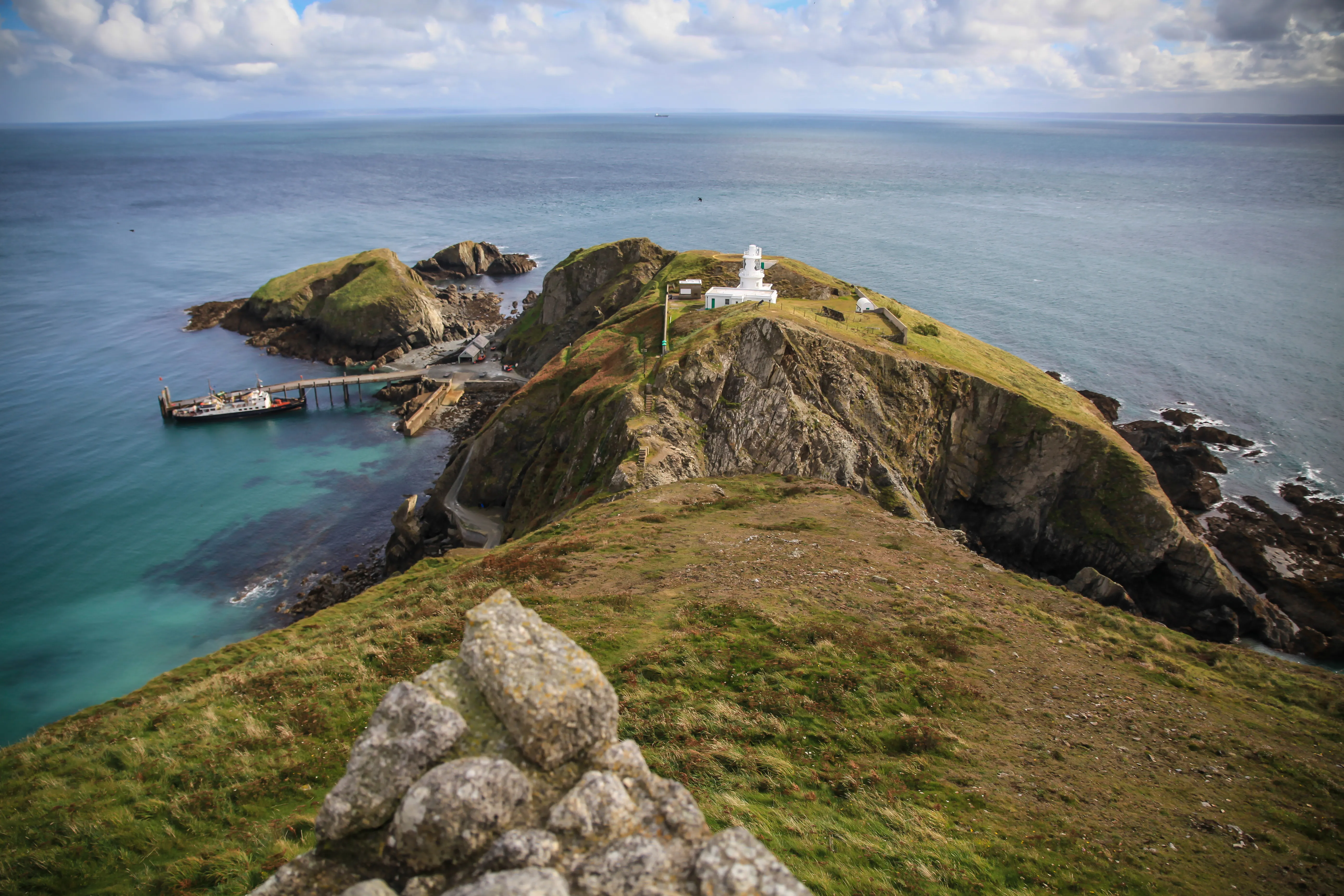
This has been devastating for UK seabirds, which have declined by 52% since 1986. Shockingly, only 0.01% of the UK’s offshore waters provide any protection for seabirds. This includes internationally important breeding sites, such as Lundy island where over 42,000 seabirds including Puffins and Manx Shearwaters breed each year. Such areas are crucial for providing rich foraging grounds for seabirds and, if well managed, can also protect marine wildlife from ending up as ‘by-catch’.
Some hope, is however, potentially on the horizon. The RSPB is currently ensuring that nature’s voice is heard in a consultation on fisheries management measures for the Scottish inshore MPA network of 166 sites, including 44 designated for seabirds.
Where MPAs have given meaningful protection, and particularly where local communities have been given a voice in places (positive examples include Arran and Lyme Bay), the power of nature to recover, even after decades of destructive bottom trawling, has been amazing. With proper management these areas can quickly bounce back to support local economies and livelihoods as fish stocks recover. Ultimately such protected areas prove to be an investment rather than a limitation to short term profit.
As Blue Planet III unfolds over the next few weeks, I hope that we continue to be inspired by the beauty and wonder of nature. But I also hope that, once again, brilliant television will inspire the nation to demand better for our seas.
The leadership of the UK in establishing MPAs around the world can be replicated around our shores if those pushing for growth can build on what has been achieved with the UKOTs and acknowledge the importance of investing in marine recovery here. The same applies for the High Seas, where urgent action is required to safeguard the highly migratory species that go beyond borders. Thriving seas are a vital foundation for a healthy world, sustaining both people and wildlife.
Jake Zarins
Head of UK Overseas Territories Programmes