
News
Transforming the RSPB for the future
Our plan to continue delivering our mission for birds, wildlife and nature.
14th Oct 2026
The nature crisis is global and needs global action – we're demanding governments deliver change.
5 min read
Nature doesn't recognise borders, and neither does the crisis it's facing. That's why almost every country in the world has signed up to the United Nations Convention on Biological Diversity (CBD). These countries come together every two years at a meeting called a Conference of the Parties (COP).
This year is COP17, and it’s taking place in Armenia from 19-30 October, with the theme of 'Taking Action for Nature'.
Nature is struggling, both around the world and right here at home. Around one million species could completely disappear, and since 1970, populations of mammals, birds, fish, reptiles and amphibians have dropped by 73% on average. Here in the UK, nearly one in six species are at risk of being lost altogether.
Back in 2022, at COP15, the world agreed to do something about it. Countries signed up to a plan called the Kunming-Montreal Global Biodiversity Framework (KMGBF), promising to stop and reverse nature's decline by 2030. That meant taking a range of actions like targeted support for species on the brink, protecting 30% of land and sea for nature, and putting the necessary money behind it.
We're now halfway through that decade, and progress hasn't matched the promises made. The CBD's own report shows we're falling short. Governments still haven't delivered the big changes needed, like scrapping subsidies that harm nature, or building biodiversity into decisions across every part of the economy.
The UK isn't doing much better. When the Government checked its own progress against these targets earlier this year, 19 out of 23 were off-track. Only three were on course, and we don't even know the progress on the other remaining target.
That's exactly why COP17 matters. It's our chance to have honest and meaningful conversations about where we've gone wrong, gain transparency on the current progress, and agree how to move much faster in the right direction.

We'll be on the ground in Armenia, holding our governments to account and making sure COP17 drives the change nature urgently needs.
We'll also be showing that change is possible. Through events with our partners, we'll be showcasing RSPB projects, both here in the UK and internationally, that are already helping to put the global framework into practice. That includes exploring how UK countries are writing nature targets into law, and how working at a 'flyway scale' can help birds thrive across borders, including a spotlight on the Black-tailed Godwits’ migration across Iceland, England's East Coast Wetlands, and Senegal.
We'll be reporting back on progress, so stay tuned.

At this crucial meeting, we're asking countries for urgent action, and the political will to back it up. Progress so far hasn't been enough. But it's not too late – if we act now.
That means backing the promises already made with adequate financing, so they can be delivered fairly and effectively. It means governments finally tackling the root causes of nature loss, embedding biodiversity into decisions in farming, energy, planning and national security, not just environmental policy. It means scrapping subsidies that harm nature and redirecting that funding to protect it instead. And it means treating the nature and climate crises as one problem, not two, so we're not solving one while making the other worse.
We need the UK to lead by example here too. This means sending senior ministers, not just officials, championing global cooperation, honouring our funding promises, and doing the work at home, including strengthening action to expand and improve our network of protected sites nature depends on. The UK is one of the most nature-depleted countries in the world. We have a responsibility to change that.
Nature's crisis doesn't stop at any border. Neither can our response to it.
One of the boldest promises made at COP15 was the target to protect and manage 30% of the world's land and seas for nature by 2030, known as 30x30. It's an ambitious goal, and if governments deliver on it in full, it could make a real difference for nature's recovery.
But an ambitious target on paper means nothing without action to match it. Right now, only around one in seven important wildlife habitats in the UK are in good condition, and our protected areas are central to turning that around, giving nature the space it needs to recover, and helping us meet our share of this global promise.
That's why we're campaigning here at home too, calling for stronger, better-managed protected areas across the UK.
Find out more about our Protected Areas campaign, and how you can help.

We know what works to deliver these global targets, because we're already doing it.
The Kunming-Montreal Global Biodiversity Framework’s Target 10 is about managing land sustainably. And at Hope Farm in Cambridgeshire, we've been proving that farming and wildlife can thrive side-by-side since 2000, running a working farm that turns a profit while also being good for nature.
Twenty-five years on, breeding farmland birds are up 177%, winter farmland birds up 1,326%, and butterflies up 589%. Back in January 2001, we counted 534 birds from 30 species on the farm. By last winter, that had grown to over 6,500 birds from 52 species. It's proof that biodiversity belongs in farming decisions, not just environmental policy.
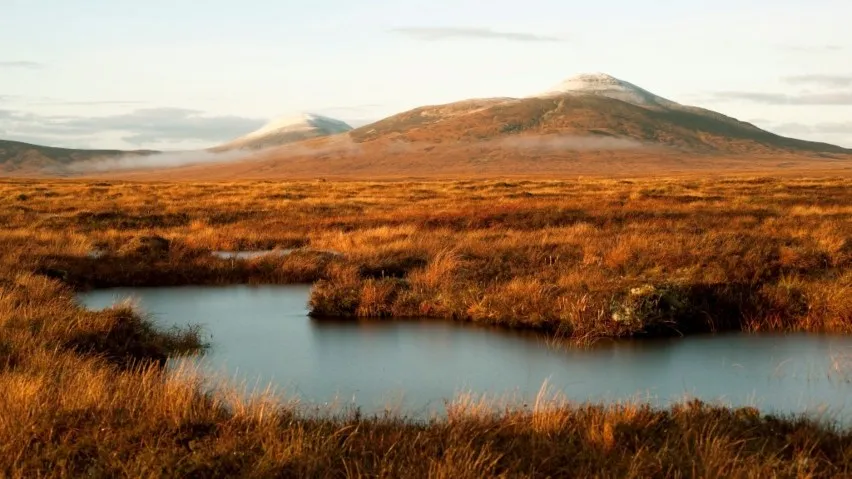
In the Flow Country of Caithness and Sutherland, we've been delivering against the KMGBF’s 2nd target, which focuses on restoration. We’re restoring peat bog on a landscape scale, some of the planet's best carbon stores, locking away vast amounts of carbon that would otherwise heat the atmosphere. It's a great example of nature and climate action working hand-in-hand, and it's work so significant that the Flow Country recently became the world's first peat bog to earn World Heritage Site status.
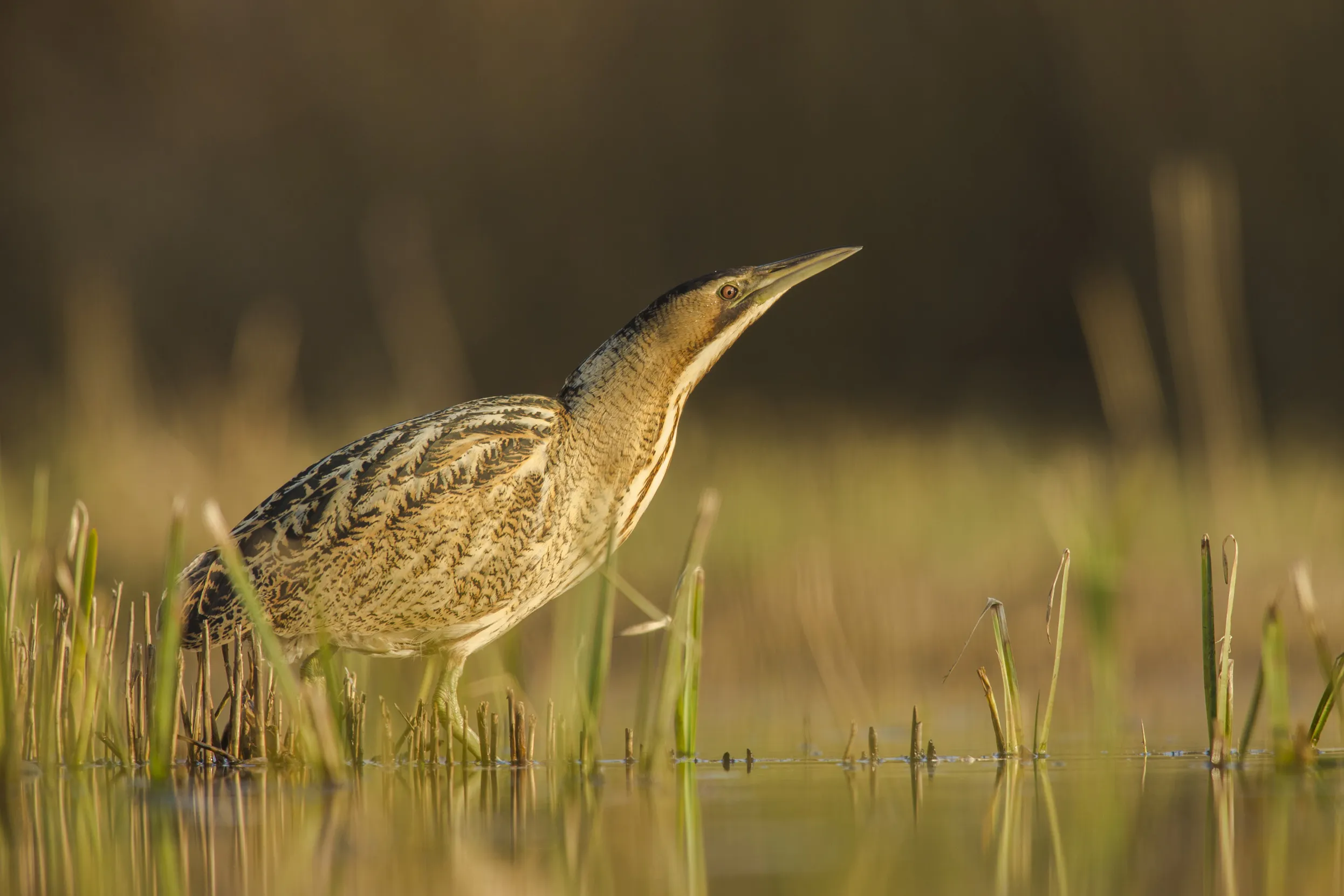
And when it comes to protected areas (Target 3 under the global framework), Bitterns make the case better than any target on paper could. In 1997, just 11 booming males were left in the UK. We worked out what they needed – wet reedbeds, full of fish – and built it, largely on protected nature reserves. By 2025, the number of booming male Bitterns had climbed to 283.
We're also taking action across the globe. For example, working with our fellow BirdLife Partners in Sierra Leone and Liberia, alongside their governments and local communities, we've been helping to conserve the precious Gola Rainforest for over 30 years. This work not only supports local livelihoods and many threatened species found nowhere else on Earth, but it enables the forest to store vast quantities of carbon and provide critical resilience against the accelerating impacts of climate change, helping to deliver against Target 8 of the KMGBF.

None of this happened by accident. It took investment, expertise and years of sustained effort, and there's still much more to do, here in the UK and everywhere else nature needs it. The nature crisis is a global problem, and it needs a global response. That's exactly what COP17 has to deliver.

