
Why is the RSPB at COP30?
Discover why the RSPB is attending the UN’s annual conference on climate change and why it’s so important.
Meet the farmers tackling climate change, restoring nature and preparing their farms for the future.
5 min read
As COP30 – the UN’s annual conference on climate change – comes to a close, we want to shine a light on the UK’s farmers who are at the sharp end of climate change but are working with nature to address and adapt to it.
Our farmers know all too well that climate change isn’t a problem for the future, or an issue only impacting faraway countries; it’s affecting food production right now, here in the UK.
More than 80% of UK farmers are worried about the climate crisis harming their livelihoods, according to a recent study from the Energy & Climate Intelligence Unit. There’s good reason for this concern: 2025 saw one of the worst harvests on record in England, only second to 2020’s poor harvest. We all experienced this summer’s extremely dry weather, but farmers felt it acutely. Extreme weather is becoming more common, and many farmers will be approaching this winter with worries about flooding.
Due to the increasing threat of climate change, many farmers are now taking a fresh look at their farming practices, and growing numbers are adopting more nature- and climate-friendly farming methods to reduce costs and boost resilience in their farm businesses.
Take Ruth Ashton-Shaw, a farmer in Dumfries and Galloway who has been busy adjusting her operations to help the farm weather whatever the climate crisis might throw at it. Ruth is a Farming Champion in the Nature-Friendly Farming Network (NFFN), a group which recognises that producing food and helping nature thrive are deeply intertwined.
Ruth was motivated to take action to deal with what she describes as “scorchingly dry springs followed by wet waterlogged winters”. To manage the flow of water, Ruth dug ponds and created wetlands. “This gives water somewhere to go during extreme rainfall events and means we have continued access to it in drier periods,” she says.
Although this has meant some significant changes on her farm, the benefits of farming in a nature and climate-friendly way have been clear. “We have had to sacrifice some grazing areas, but in the long run we’ve gained much more than we’ve lost. The ground is more manageable in the toughest conditions, with longer seasons for animals to stay outside, and more resilient forage. There’s also a huge benefit for nature in these waterlogged areas, which attract a real diversity of plants, birds and insects.”

At the RSPB’s Hope Farm in Cambridgeshire, Farm Manager Georgie Bray and team have taken the 181-hectare arable farm on a similar nature-friendly journey. Recent wet winters have posed a significant challenge for Hope Farm.
“We’re working our way around the farm to ensure ditches are running well,” she said. “We also have herbal leys in the rotation, legume and flower-rich habitats which create that diverse, semi-permanent vegetation with lots of roots to help soils recover where they need that extra boost and build resilience to climate impacts.”
These actions from Georgie and the team are helping Hope Farm become more resilient for the future and benefiting wildlife, with a huge increase in the number of birds and butterflies recorded since 2001.

Farmers can also play an important role in helping the UK reach our climate targets. Whilst modern intensive agriculture contributes to greenhouse gas emissions, climate-friendly farming can help capture carbon and keep it in the ground. For example, planting trees and hedgerows draws carbon from the atmosphere.
Another way farmers can help is by restoring peatland areas to their squelchy, carbon-storing glory, as farmers at RSPB’s Lake Vyrnwy farm in mid Wales are pioneering. Wetter is better for peatlands: by keeping these areas nice and boggy, farmers can help sequester (store) carbon in the peat and keep it out of our atmosphere.
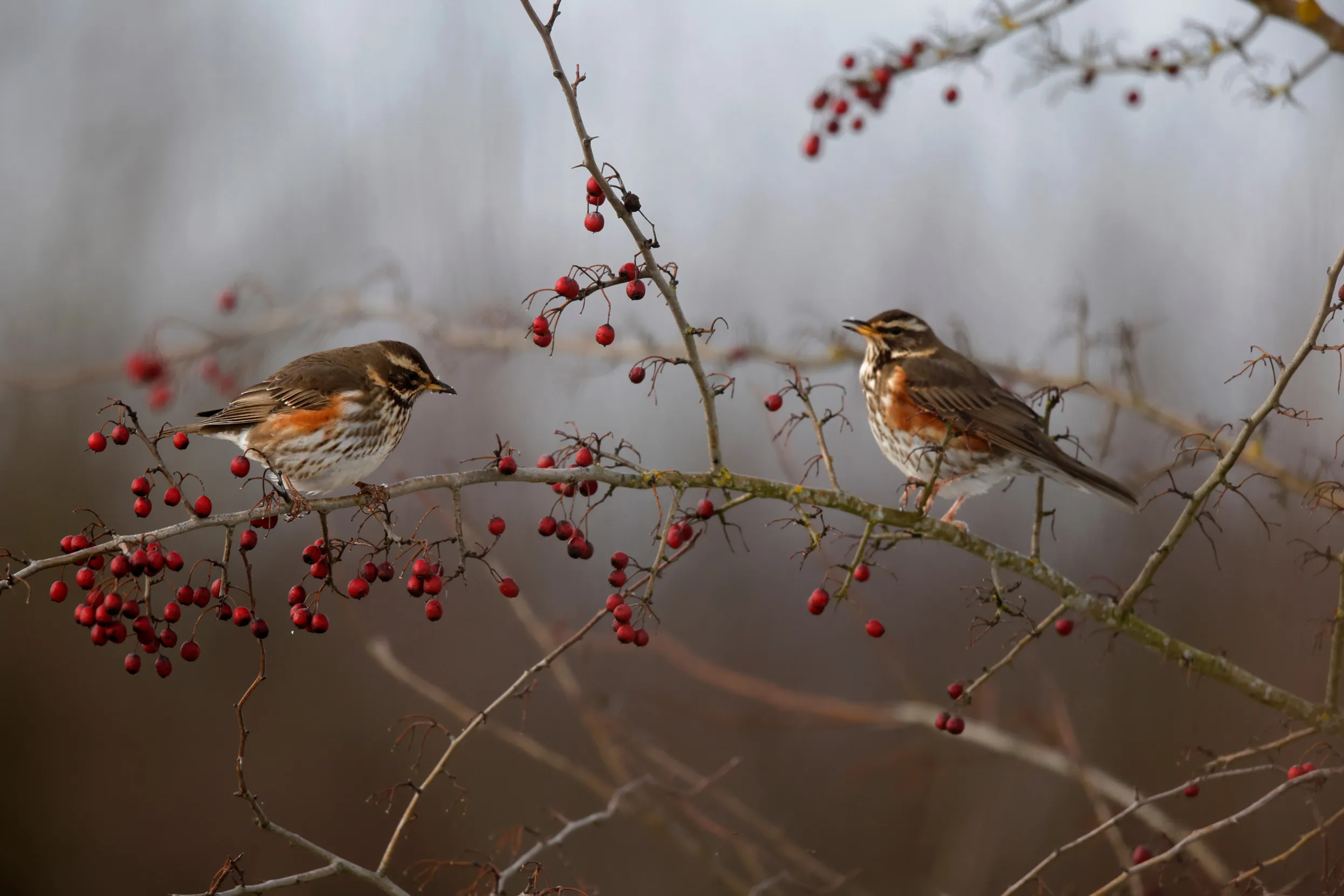
Ruth argues that “good farmland management and nature recovery go hand in hand". Hedgerows on farmland provide year-round food and shelter for wildlife: in spring, Yellowhammers build their nests in them and Hedgehogs search for worms; while in winter, berries provide food for thrushes.
Healthy peatlands are incredible habitats, with sites like Lake Vyrnwy providing homes for an array of specialist species, including Hen Harriers and carnivorous Sundew plants.
Despite facing challenges, Georgie can’t imagine farming in any other way. “I feel very privileged that I can work to do something where you can have such a big impact on your little bit of planet,” she says.
As the news cycle inevitably shifts away from COP30, we should keep in mind the vital work that these farmers are doing. Despite the tough conditions, by actively boosting our resilience to climate change whilst helping nature along the way, these farmers are showing us the way to a sustainable future.
Discover why the RSPB is attending the UN’s annual conference on climate change and why it’s so important.


