.jpg)
Nature on the Edge
What we're losing and why it matters
With the King's Speech just days away, we're calling on the UK Government to seize the moment and act for nature.
4 min read
Today we've published a new report calling on the Prime Minister to change course on nature. The report sets out how the nature crisis is putting the UK's security, prosperity and wellbeing at risk and what the Government can do about it.
Nature keeps our economy running, our communities healthy and our country resilient. Yet species are disappearing, habitats are being lost and many of the places that should be protected for wildlife are under threat.
Our new report, Nature on the Edge: What we're losing and why it matters, makes the case that nature's decline is not inevitable, but the result of political choices that can still be reversed. And it sets out why politicians should care – because the public does.
After almost two years of "nature negative rhetoric" from senior Government figures, and proposals that would seriously harm some of the UK's most important places for wildlife, our Chief Executive Beccy Speight is asking the Prime Minister to think again.

"It’s time for a reset. We’re tired of the negative and reductive rhetoric we’ve heard around bats and newts and birds; it’s time to realise the true importance of nature. It’s not just a nice to have, our country’s security, prosperity and everyone’s wellbeing rely on it.
“My message to the Prime Minister and his team is this: ‘Get on with the things the UK public overwhelmingly want to see – nature’s decline isn’t inevitable; it’s a political choice. But the time to make the right choice is running out fast’."
With the King's Speech due on 13 May, the UK Government has the opportunity to show it understands what's at stake. We’re asking for five things to be done before the end of this parliamentary term.
The UK Government has already committed to protecting 30% of land and sea for nature by 2030. Now it needs to follow through.
Protected areas should be places where nature can recover, with proper protection and good management, and we need this network to be bigger, better and more joined up.
At sea, urgent action is needed to make sure our network of Special Protection Areas (SPAs) works for seabirds and supports the transition to clean energy.

Blanket bogs, saltmarshes and other wild places aren't obstacles to progress, they're part of what makes the country work. Development in the wrong place causes lasting damage and can push species closer to extinction.
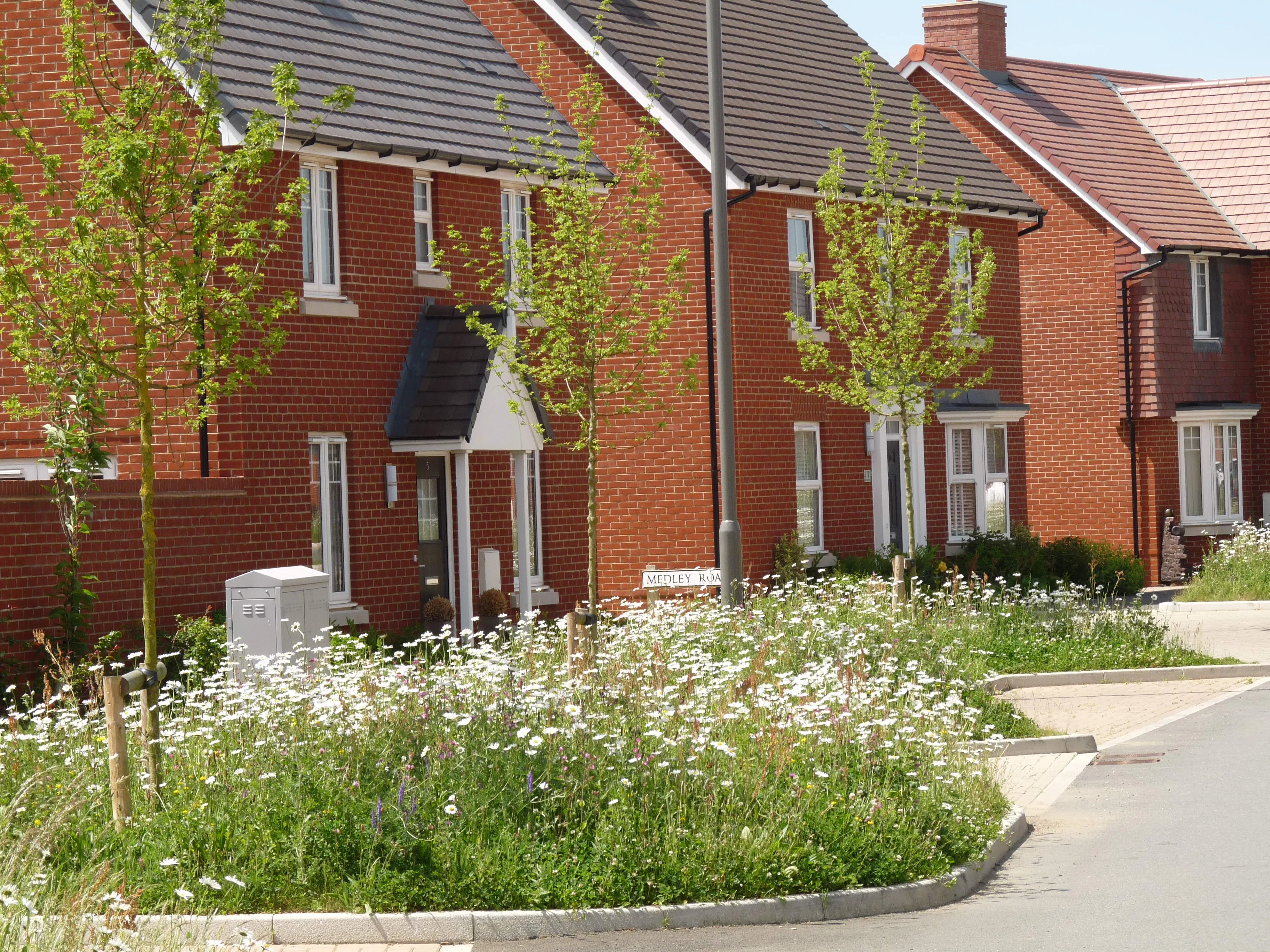
Getting planning right means healthier homes, a smoother path to renewable energy and fewer delays. The tools already exist to make this happen. They just need to be used to make nature-positive decisions at every level.

Farmers are some of nature's most important allies, but they need support. The UK Government must invest in ambitious green farming schemes and at least £5.9 billion a year to help nature and climate targets be met across the 70% of the UK that’s farmed. This should be supported by high-quality advice and effective regulation to make sure there’s a level playing field and value for money.
.jpg)
Current laws are failing to give our birds of prey the protection they desperately need. Birds like Hen Harriers, Peregrines and Red Kites are still being killed illegally in England. Scotland introduced a licensing scheme for grouse shooting in 2024 to tackle this. England must now do the same.

Every decision about how public money is spent, how land is developed or how water is managed has an impact on nature. These decisions should support the delivery of 30 by 30 and Environment Act targets.
Joining up policy, targeting investment, creating ambitious nature markets and prioritising nature-based solutions can speed up species recovery, help restore habitats and create nature-filled towns and cities. Nature is the solution, let’s invest in it.
Nature isn't a niche concern. Research shows that 43% of Britons are more likely to vote for a party that prioritises nature conservation. The vast majority – 86% – think climate action should also protect nature and wildlife, and two-thirds of the public believe nature is fundamental to economic growth.
Recent announcements, including plans to reintroduce Golden Eagles to England, show the Government wants to be seen to care about wildlife. But focusing on a handful of high-profile species isn’t enough. The scale of the nature crisis needs more than symbolic gestures. We're calling on the Government to act before it's too late.
What we're losing and why it matters
Our elected represenatives need to hear that nature matters to people. Whether you want to write to your MP, sign a petition or find another way to make your voice heard, there are lots of ways to get involved. Find out how you can take action for nature.
And if you'd like to send a personal message to those in power about what your local nature means to you, send a Postcard from Nature.

.jpg)
