
News
Communities unite to tackle wildfires and save nature
In the film below, we follow the joint efforts to tackle a major fire at Abernethy.
24th Jul 2026
Two of the world’s largest colonies may not recover from the impacts until 2041 at the earliest.
5 min read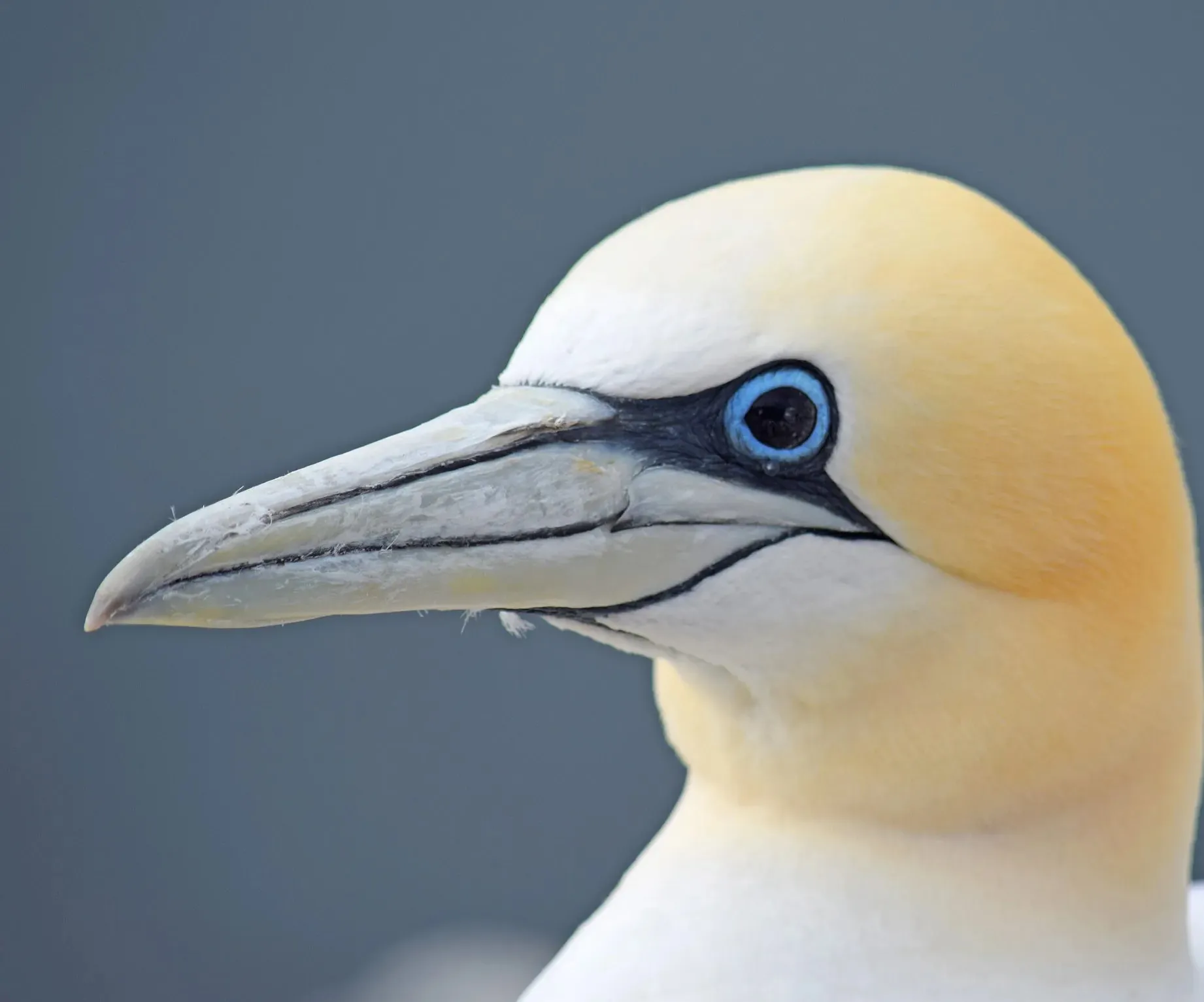
According to a new study led by the RSPB and Aarhus University, Gannet populations at two of the world’s largest colonies, Bass Rock in Scotland and Grassholm in Wales, are not expected to recover from the impact of bird flu until 2041 at the earliest.
The findings show bird flu was responsible for a fourfold increase in the deaths of adult Gannets. The UK is responsible for a high proportion of the global population.
In the 11 years prior to 2022, the average annual mortality rates were 6% at Bass Rock and 11% at Grassholm. During the outbreak, this rose to 33% and 47% respectively.
In 2023, a year after the outbreak, this led to a 26% decrease in the size of the colony at Bass Rock and a 38% decline at Grassholm.

Adult breeding birds drive the growth of population in seabird colonies. Therefore, the spike in deaths will have a profound negative impact on the overall population size, and future sustainability.
Population modelling forecasts that the colonies are unlikely to recover to the size they would have had until 2041, 19 years after the outbreak. In reality, recovery could take even longer.
The authors of the study have recommended that the species’ global conservation status, which is currently Least Concern on the IUCN Red List, be revised in the light of the high mortality rates and slow population recovery.
The H5N1 bird flu virus was first identified in poultry in Asia in 1996 before spreading to wild bird populations. H5N1 was first confirmed in Gannets at Bass Rock on June 4, 2022, and at Grassholm the following month. While the outbreak was already known to have killed tens of thousands of Gannets, this study is the first to provide robust estimates of adult survival in a seabird species, and, using these estimates, the first to predict the long-term impact and population recovery times for these two seabird colonies.
Jude Lane, lead author of the study and an RSPB marine conservation scientist said: “The bird flu outbreak in 2022 dealt an unprecedented deadly blow to UK seabirds and these findings show that key Gannet colonies on Bass Rock and Grassholm will be impacted for decades to come.
“While we can’t prevent diseases like bird flu, with long-term monitoring at key colonies and across wider populations we can better understand the impacts. With that knowledge we are in a far better position to address the many other pressures facing seabirds and halt the devastating declines of recent years.”

Recent surveys have highlighted the dire situation facing the UK’s seabirds. The most recent Birds of Conservation Concern report published in 2024 placed ten (38%) of the UK’s 26 currently occurring breeding seabird species on the Red list. While Gannets remained Amber-listed, it was noted that more evidence was needed to assess the impact of bird flu on the species.
In total, 62% of UK breeding seabird species are now in decline, rising to 70% in Scotland.
This study was funded by Neart na Gaoithe Offshore Wind Ltd, Seagreen Wind Energy Ltd, Berwick Bank Wind Farm, NERC Emergency geant NE/X013502/1, part-funded by the Department for Energy Security and Net Zero DESNZ Offshore Energy Strategic Environment Assessment OESEA Program.


