
News
RSPB Scotland welcomes new Director
Charlie Hogg to lead RSPB Scotland’s work to protect and restore nature across the country.
5th Nov 2026
Experts have been working together for the last 10 years to help wading birds survive and thrive in Suffolk
5 min read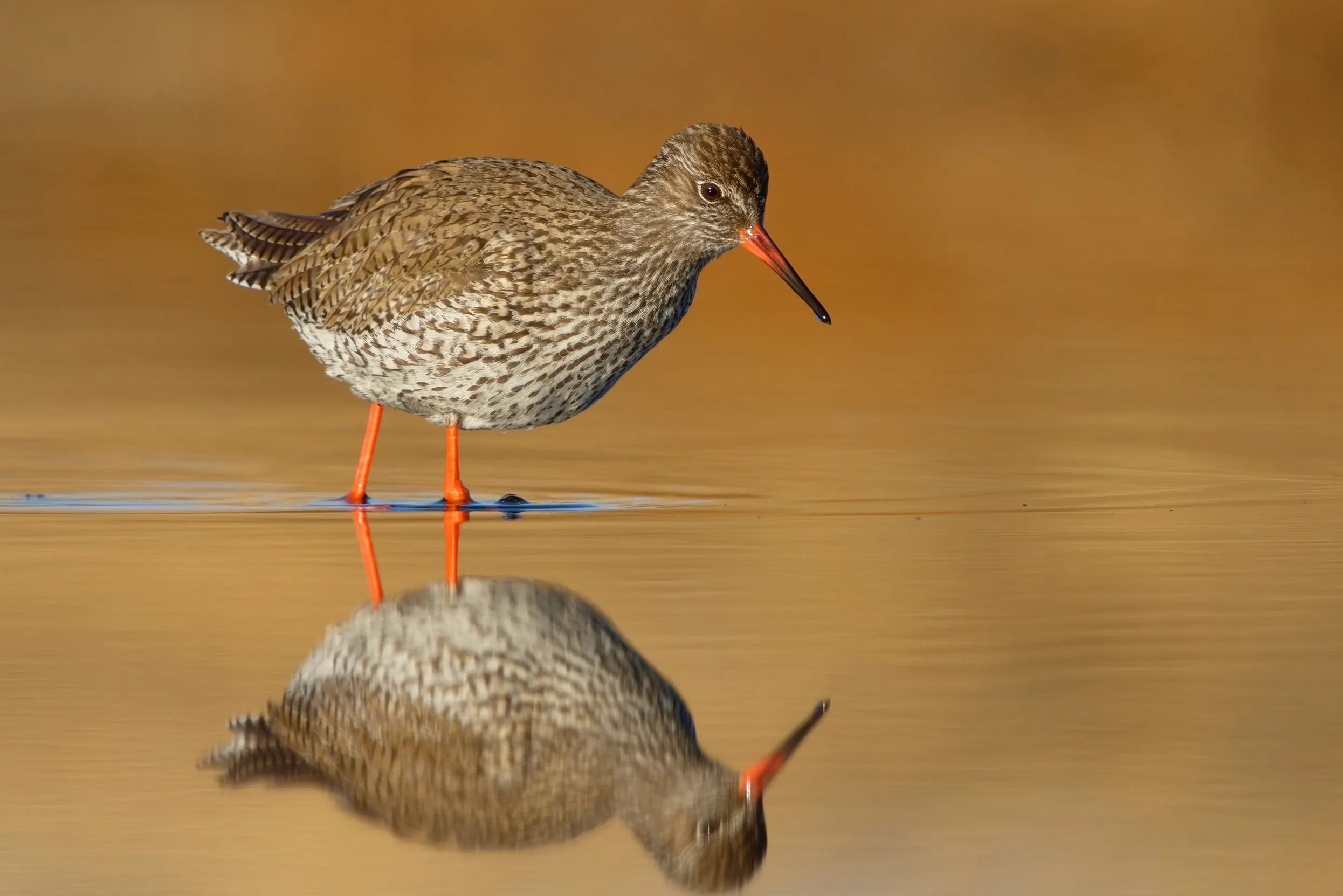
For the last 10 years a team of conservationists, including from the RSPB, have been quietly working to help wading birds survive and thrive in Suffolk.
If you’ve ever visited any wetlands in Suffolk such as RSPB Boyton and Hollesley Marshes near Woodbridge in the south of the county or Suffolk Wildlife Trust’s Carlton and Oulton Marshes near Lowestoft in the north, you’ll know that this part of the world is a haven for some unusual looking birds with long legs that are perfectly adapted to living on wetlands.
The abundance of wading birds on wetland sites really comes to the fore in the winter when they are swamped with flocks of migrating wetland birds.
These wetland nature reserves and other wetlands that are not official nature reserves dotted throughout east Suffolk, have been created, managed and preserved by wildlife experts, sometimes in collaboration with other landowners or farmers on their land. Using conservation knowledge, they are gradually building a network of wetland coastal grazing marshes, reedbeds and river valleys that are attractive to threatened wading birds such as Avocets, Lapwings and Redshank.
But step back a moment and imagine Suffolk’s precious wetland habitats either gone or devoid of much birdlife at all. Without intervention and this ongoing conservation work, that would be a possibility in the distant future.
Sadly, wading birds in the UK have been declining for some time. A good example of this are Lapwing and Redshank whose numbers continue to decline nationally, with 50% and 59% declines since 1975 respectively. Though despite populations being under threat from pressures of land use, climate change and rising sea levels, populations of Lapwings, Redshank, Oystercatchers and Avocets in Suffolk historically had not declined as significantly as they had elsewhere in the UK. But a number of conservation organisations wanted to halt and reverse that downturn, helping these species to survive and thrive in the future.
It was back in 2016 that the RSPB, Suffolk Wildlife Trust, National Landscape, Natural England, National Trust, Water Management Alliance and various landowners got together, forming a partnership to ensure that Suffolk remains a favoured destination for wading bird species that rely on wetland habitats to live, breed, feed and roost. They were later joined by Freedom Group and Wildlife Wise.
It was decided the work would be called the ‘Suffolk Wader Strategy’, an overall name for a mix of collaborative sharing of conservation knowledge and hands on practical habitat management with the bigger picture in mind. That picture would be not only committing their own work on their Suffolk nature reserves to help fulfil the strategy’s overall aim to help halt and reverse a decline in Suffolk’s wading bird populations. But to also encourage others outside of their organisations to help do so by inspiring other landowners and farmers to get involved and create wetland areas on their land.


Indeed, the partnership is incredibly lucky to have many passionate and committed farmers and other landowners working collaboratively to make space for wading birds on their land. By making a bigger and better joined up network of wetland areas in east Suffolk on a large landscape scale, and not just focusing on nature reserves, it will create a resilient landscape that is highly attractive to these wonderful long-legged species.
Ben McFarland, Director of Wildlife Conservation & Recovery at Suffolk Wildlife Trust is proud of the work that has been delivered: "The Suffolk Wader Strategy is a shining example demonstrating how effective working across organisations and not just thinking about a nature reserve in isolation, can help wildlife. Afterall, a Lapwing doesn’t mind if a wetland is owned by Suffolk Wildlife Trust, RSPB, National Trust or a farmer! As a smaller charity, we have really benefitted from having access to experience and expertise from national experts. We’ve also been able to share equipment. All of these benefits show in the data. Unlike much of the country, Suffolk’s Lapwing and Redshank have stopped declining and that’s something we should all be proud of. Over the next 10 years, let’s keep going and increase these wonderful birds."
So how is the work delivered? Dedicated working groups from the partnership deliver the Strategy’s work through a number of ways. They focus on water and wetland management to keep feeding spots moist and invertebrate rich during the spring when wading birds are feeding their young, predator management innovations to protect ground-nesting birds and monitoring of species on wetland sites to keep track of how these species are faring. They also track the impact of work and population trends, share machinery and equipment to do hands-on habitat creation and management, and help with the delivery of agri-environment schemes funded by the Department of Environment, Food and Rural Affairs (Defra) – that provide funding to farmers to support biodiversity on their land and enhance landscapes.
By collectively sharing expertise with each other and pulling together to reach one goal, the partnership ensures that sound conservation knowledge is shared contributing directly to the future prospects of these species.
Bringing together conservation organisations and land managers allows us to share expertise, learn from the latest research and deliver practical action on the ground.
Aaron Howe, South Suffolk Sites Manager at the RSPB marvels at the partnership pulling together to help wildlife: "I have seen first-hand the difference that partnership working can make for breeding waders and wetland wildlife. Bringing together conservation organisations and land managers allows us to share expertise, learn from the latest research and deliver practical action on the ground. It's this collective effort that is helping to secure a future for some of our most threatened species."
The great news is that the work is paying off. Since the work began conservationists have reported a halt in the decline of wading bird populations on the Suffolk coast and their populations are now stable. Their gained collective understanding of local bird populations and the Suffolk landscape has helped inform and target their work, giving species what they need to survive.
So, if this is the positive impact the work has had over the last 10 years, just imagine what the next 10 years will bring. We can only wait and see as the partnership remain strong and puts its best foot forward into the next decade; wading into the future and continuing to help these rather special birds.

