How to identify

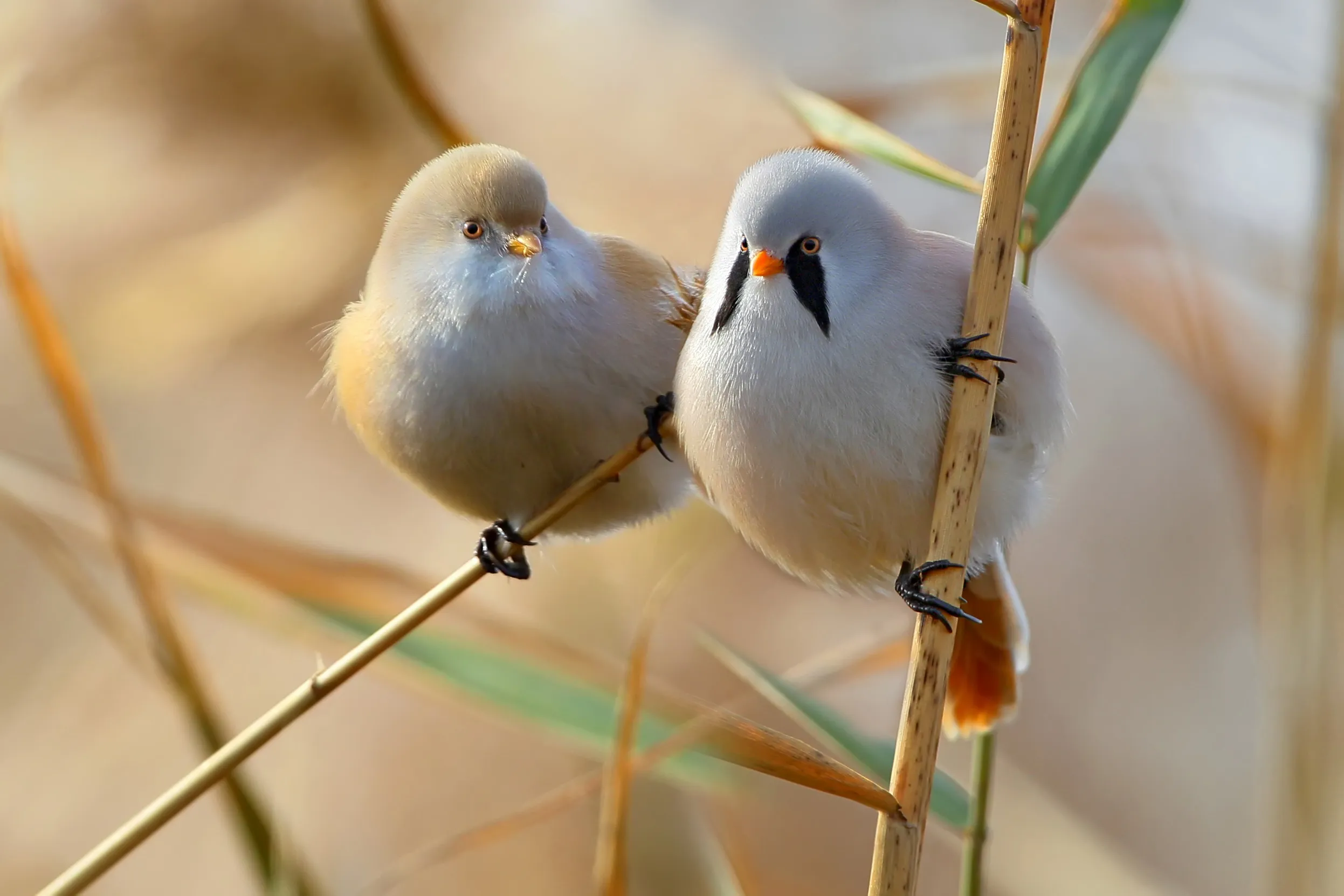
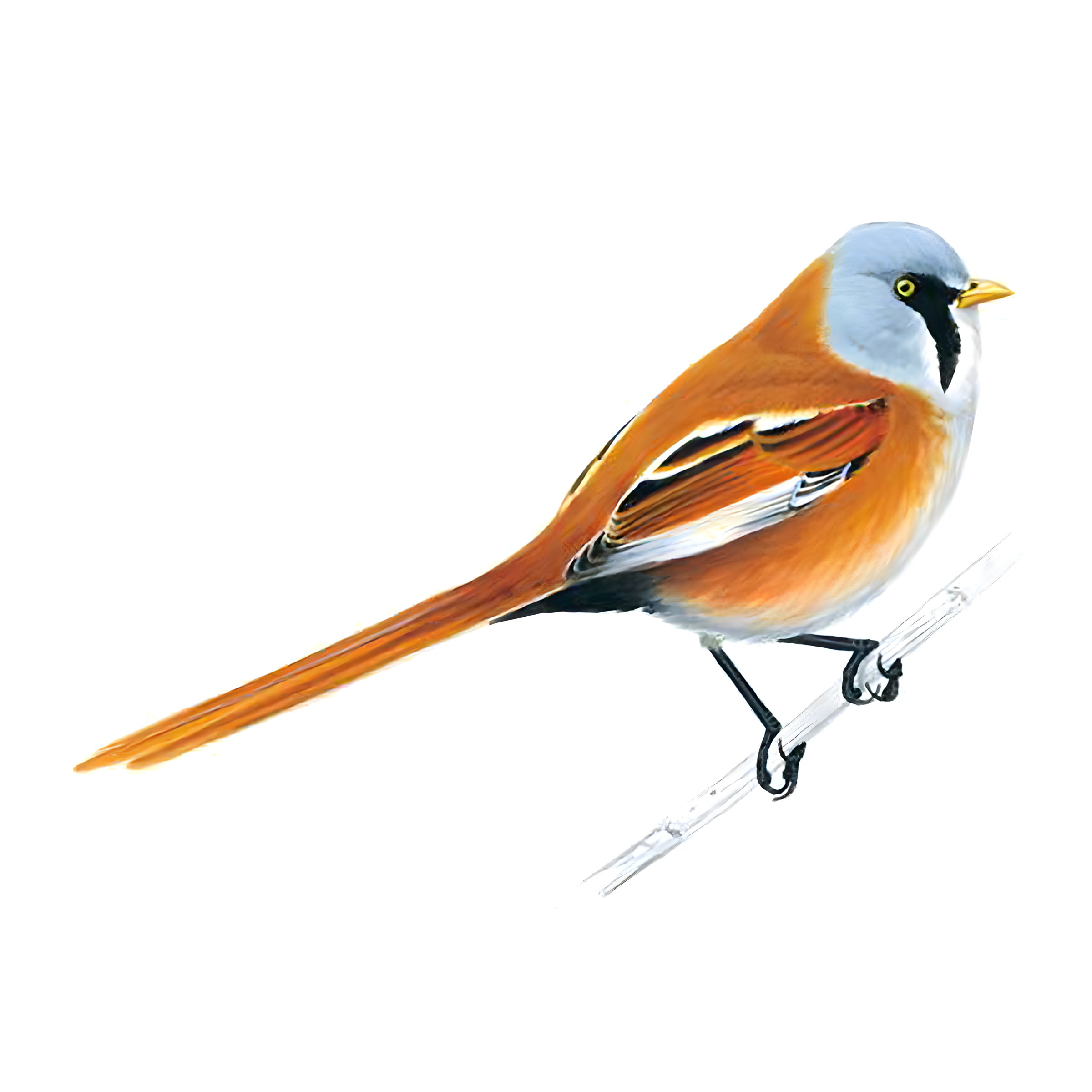
The Bearded Tit is a Schedule 1 species. They are brown, long-tailed birds, usually seen flying rapidly across the top of a reedbed. Males have black 'moustaches' rather than 'beards'. They are sociable and noisy, their 'ping' calls often being the first clue to their presence.

Call

Bearded Tit

Niels Krabbe / xeno-canto

Conservation status

Despite being a scarce species in the UK, Bearded Tits are a conservation success story. Thanks to our members and supporters, reedbeds around all four UK countries have been restored – and many of the species that depend on them are now thriving. 

Where and when to see them

Difficulty level - Hard

In reedbeds from East Anglia to the River Tay.

You might hear them referred to as ‘Reedlings’ because calling them Bearded Tits is a misnomer; they’re neither a tit nor bearded. They don’t have any close relatives either and sit in a family group on their own instead. The males’ dark facial plumage, from which it gets its name, looks more like dramatic eyeliner or a well-waxed moustache than a beard! 

Key

  1. Resident
  2. Passage
  3. Summer
  4. Winter
* This map is intended as a guide. It shows general distribution rather than detailed, localised populations.
  1. Jan
  2. Feb
  3. Mar
  4. Apr
  5. May
  6. Jun
  7. Jul
  8. Aug
  9. Sep
  10. Oct
  11. Nov
  12. Dec

Where best to see them

Behaviour

Their pinging contact call helps to them to keep in touch with the rest of their party in the dense vegetation. This species is present year-round in our reedbeds, thanks to a nifty trick where they can change their diet from insects to seeds. 

These birds are easier to spot in autumn, when they swap their usual skulking antics for excitable group flights. We’re still not entirely sure why this behaviour happens, but it tends to occur after a successful breeding season, ahead of birds preparing to seek out their own patch. 

Bearded Tit, adult perched in reedbed
Bearded Tit
Birds of the month

Head outside and discover fascinating birds each month. Read on for top ID tips, what to listen for, and where to see them.

Key facts