Days out
Cwm Clydach Craig-cefn-parc
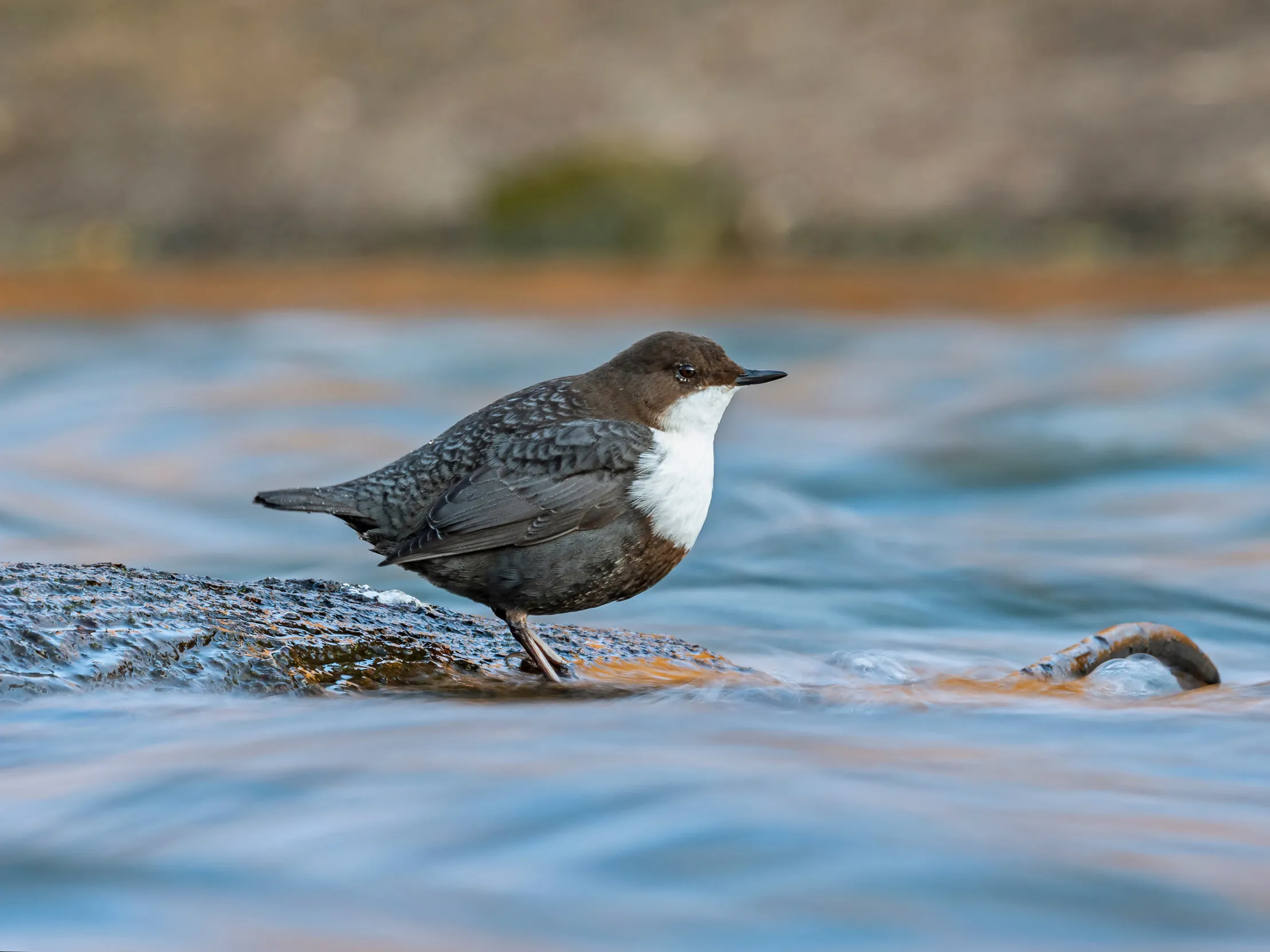
This is a woodland haven for wild birds and walkers alike – look out for Grey Wagtails and Dippers by the fast-flowing river.

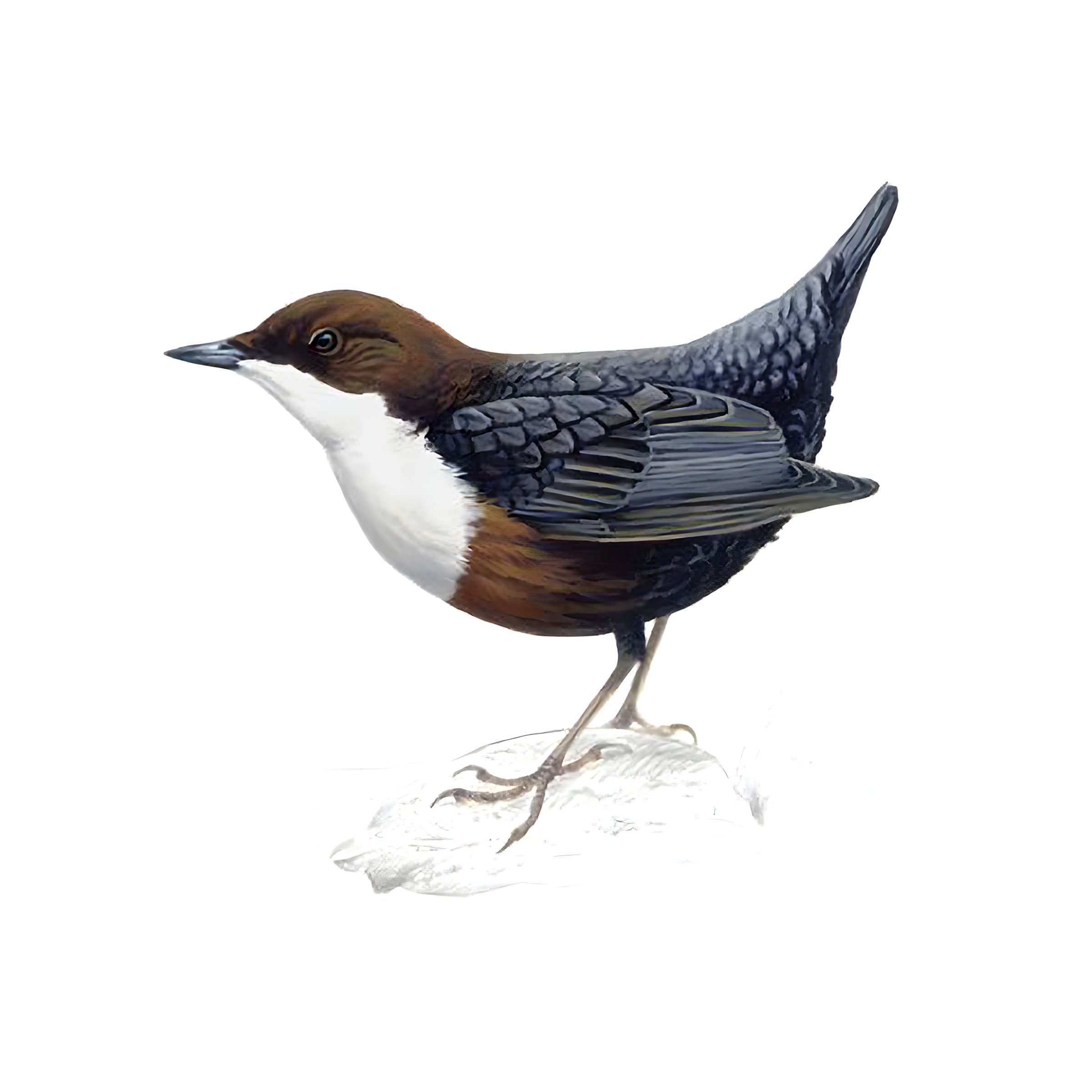

Dippers are on the Amber list of Birds of Conservation Concern in the UK. Their numbers have followed a general downward trend over the last several decades and we need to work to prevent further loss.
Fast flowing freshwater streams in Scotland, Wales and northern and southwestern England. Dippers need very particular habitat to thrive. A fast-flowing, stony-bottomed stream is a great place to start.
These stunning little birds are world-class diving dynamos. The UK’s only aquatic songbird, Dippers are never found too far away from a fast-flowing freshwater stream. There, they wile away the hours performing daring underwater raids for tasty insect larvae and freshwater shrimps.
You might think Dippers get their name from their fondness of taking a dip in the water. However, it actually comes from the delightful bobbing action, or ‘dip’, that the birds perform when on land.

Brilliant birds, month by month: what to see and where to go.