There’s no such thing as a seagull – your guide to UK gull identification
A common sight on our coastlines and a summertime soundtrack, here’s a guide to the six most common UK gull species.

A common sight on our coastlines and a summertime soundtrack, here’s a guide to the six most common UK gull species.
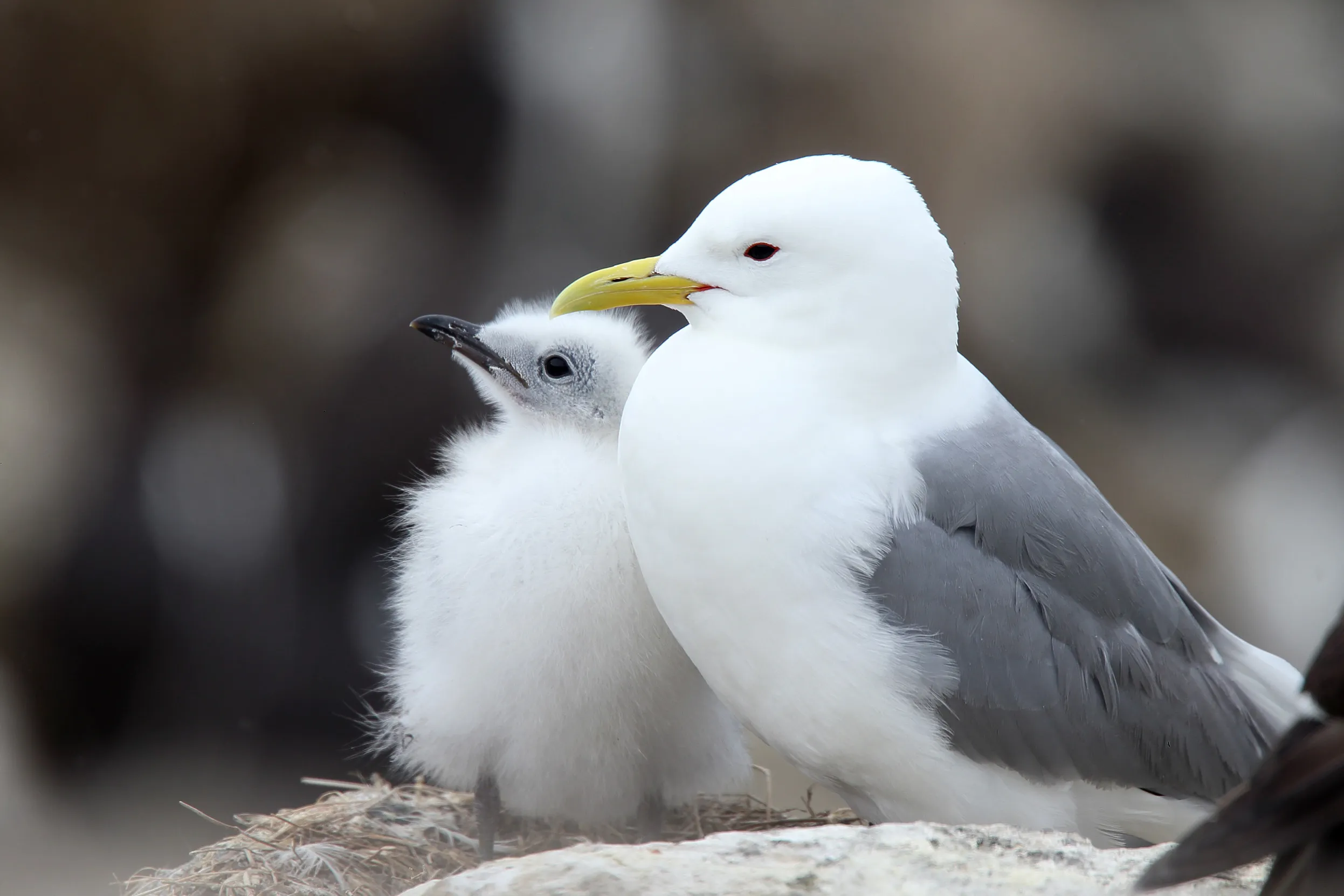
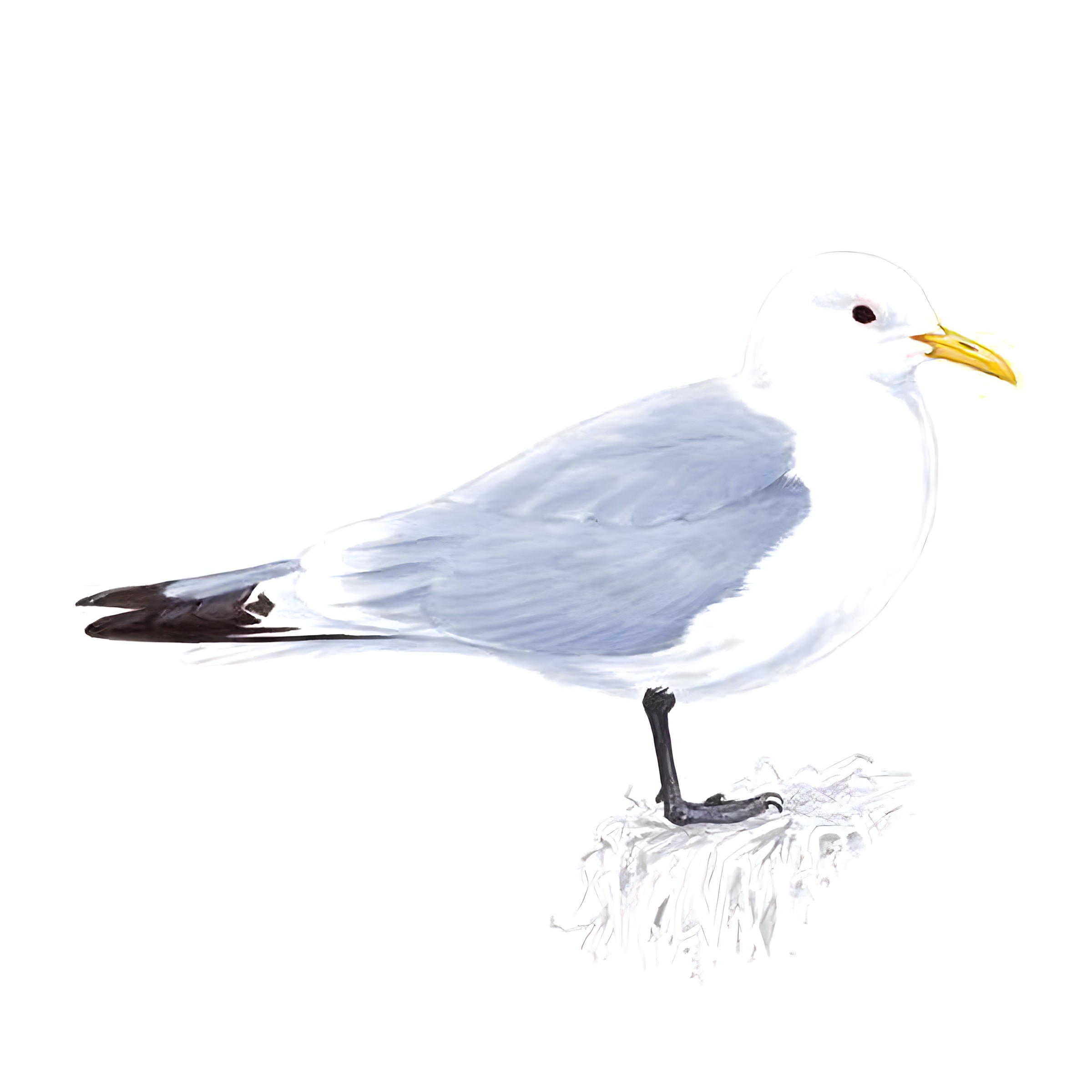
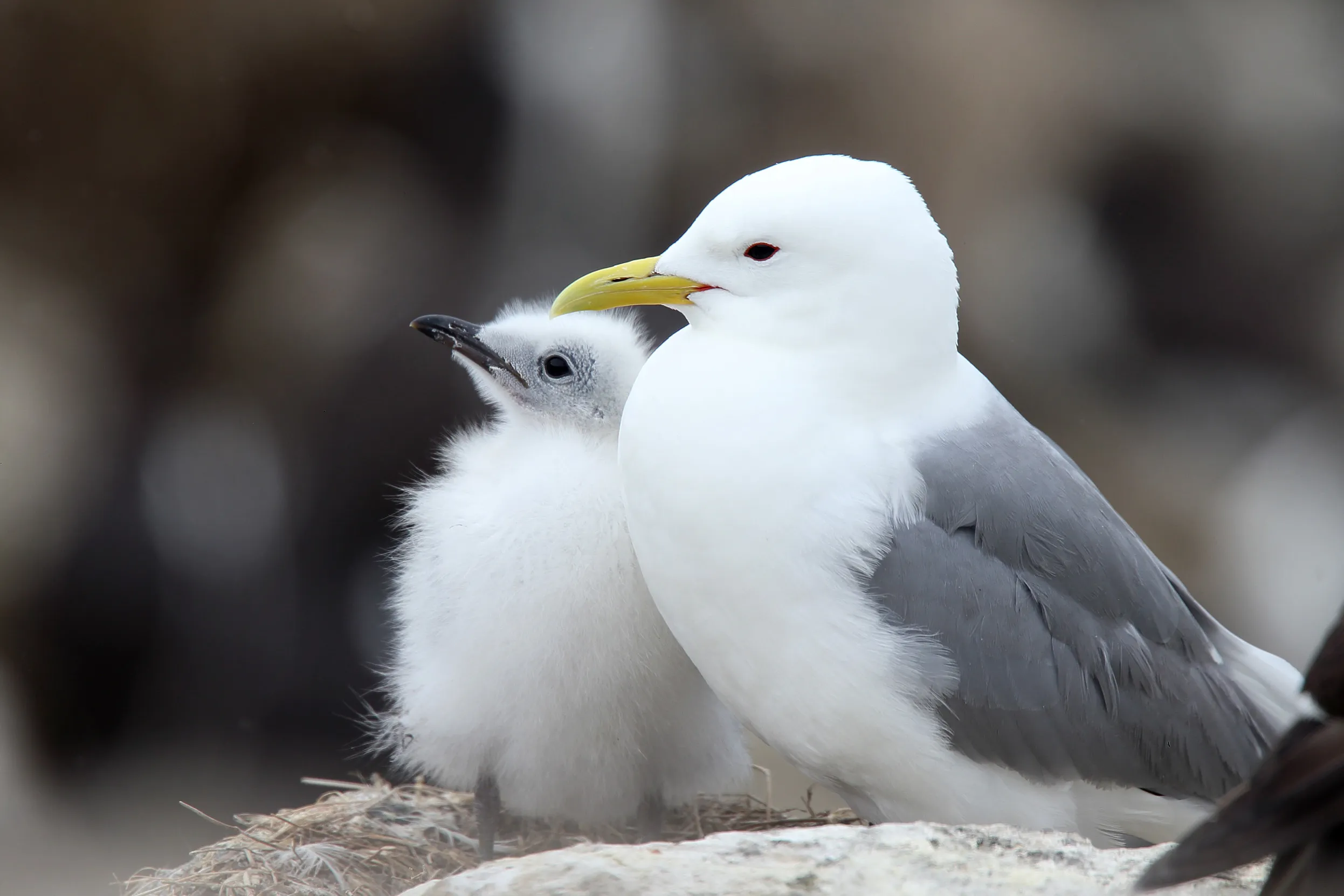
Kittiwakes have suffered serious declines and are a red-listed species in the UK. We’ve also named the birds an RSPB Priority Species and are conducting research to better understand the issues they’re facing.
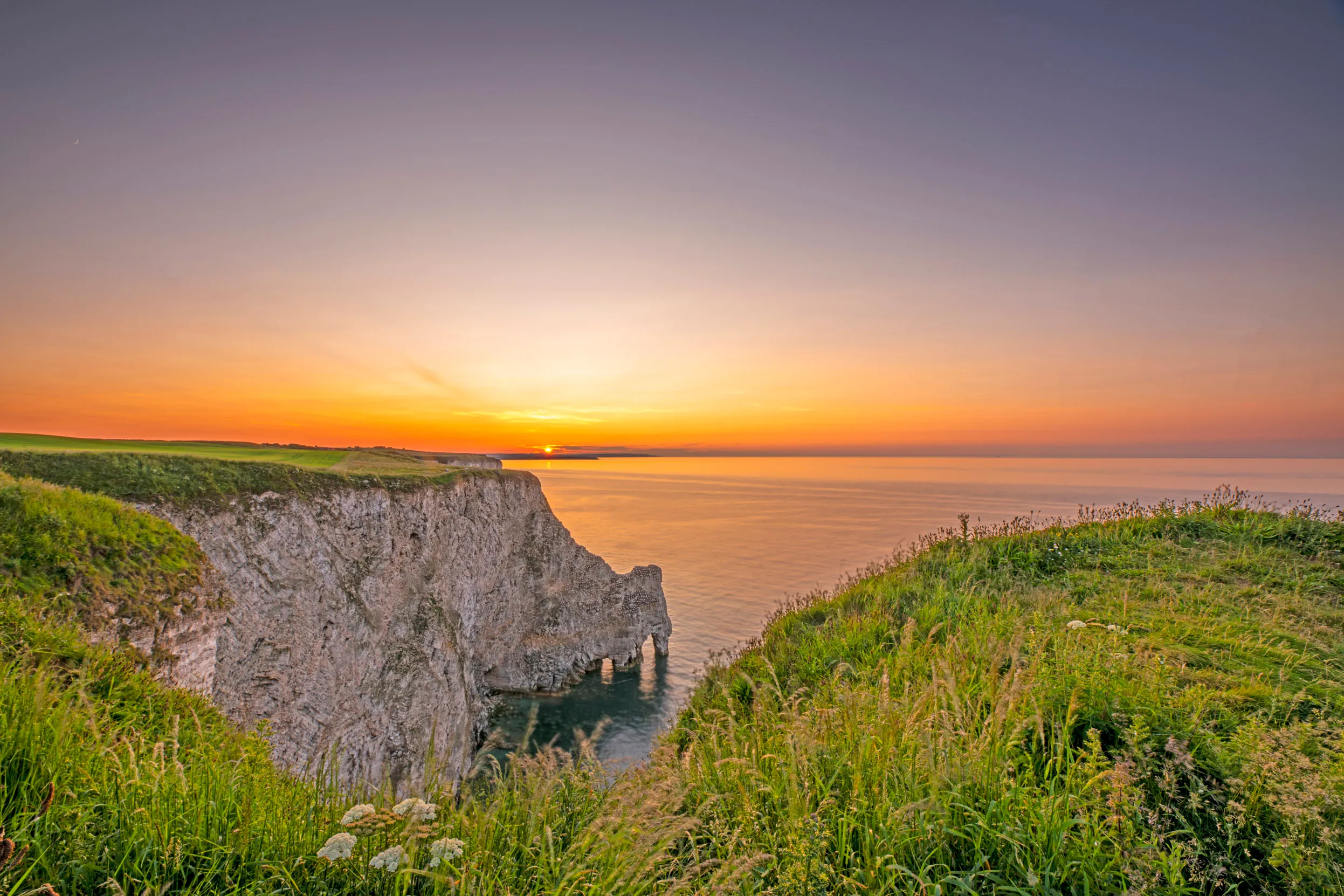
You’re most likely to see them between February and August before they head out to sea for winter. Look out for Kittiwakes in the spring and summer around the UK’s coastline. RSPB Bempton Cliffs is home to many pairs – take a look at them from the viewpoints.

Kittiwakes don’t display the same chip shop scavenging behaviour as their relatives. They spend most of their lives out at sea, searching for food such as sandeels and other shoaling fish.
The River Tyne is home to the most inland, urban breeding colonies of Kittiwakes in the world. Here, these gulls have substituted cliff edges for window ledges and bridges. There are now over 1,000 breeding pairs along the river.
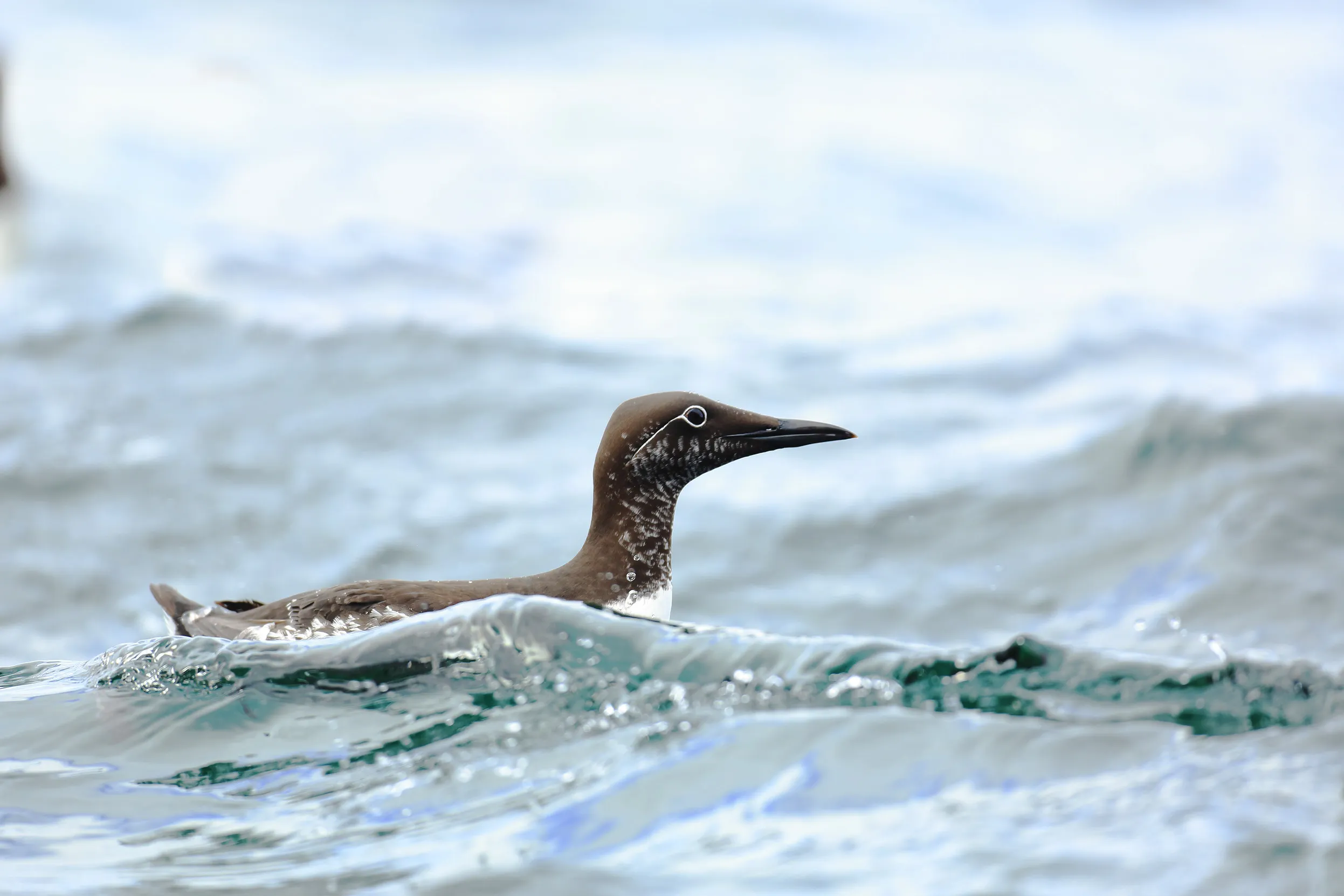
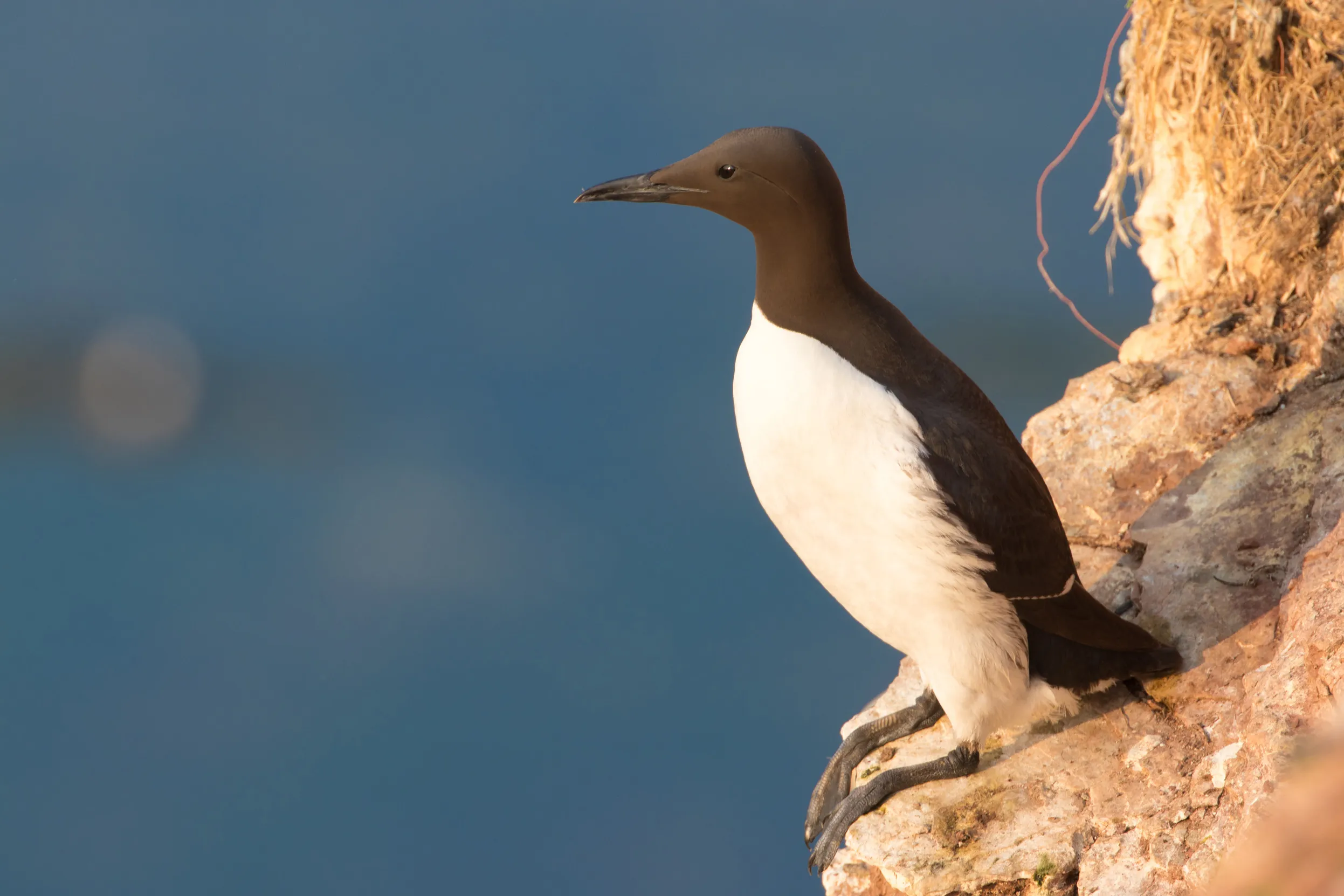
Kittiwakes have adapted to nesting on cliff ledges, laying one to two eggs within large colonies alongside other seabirds such as Guillemots and Razorbills.

Brilliant birds, month by month: what to see and where to go.