Advice

Can the RSPB get involved with my local case?

Understand when the RSPB is more likely to be able to get involved with planning cases.

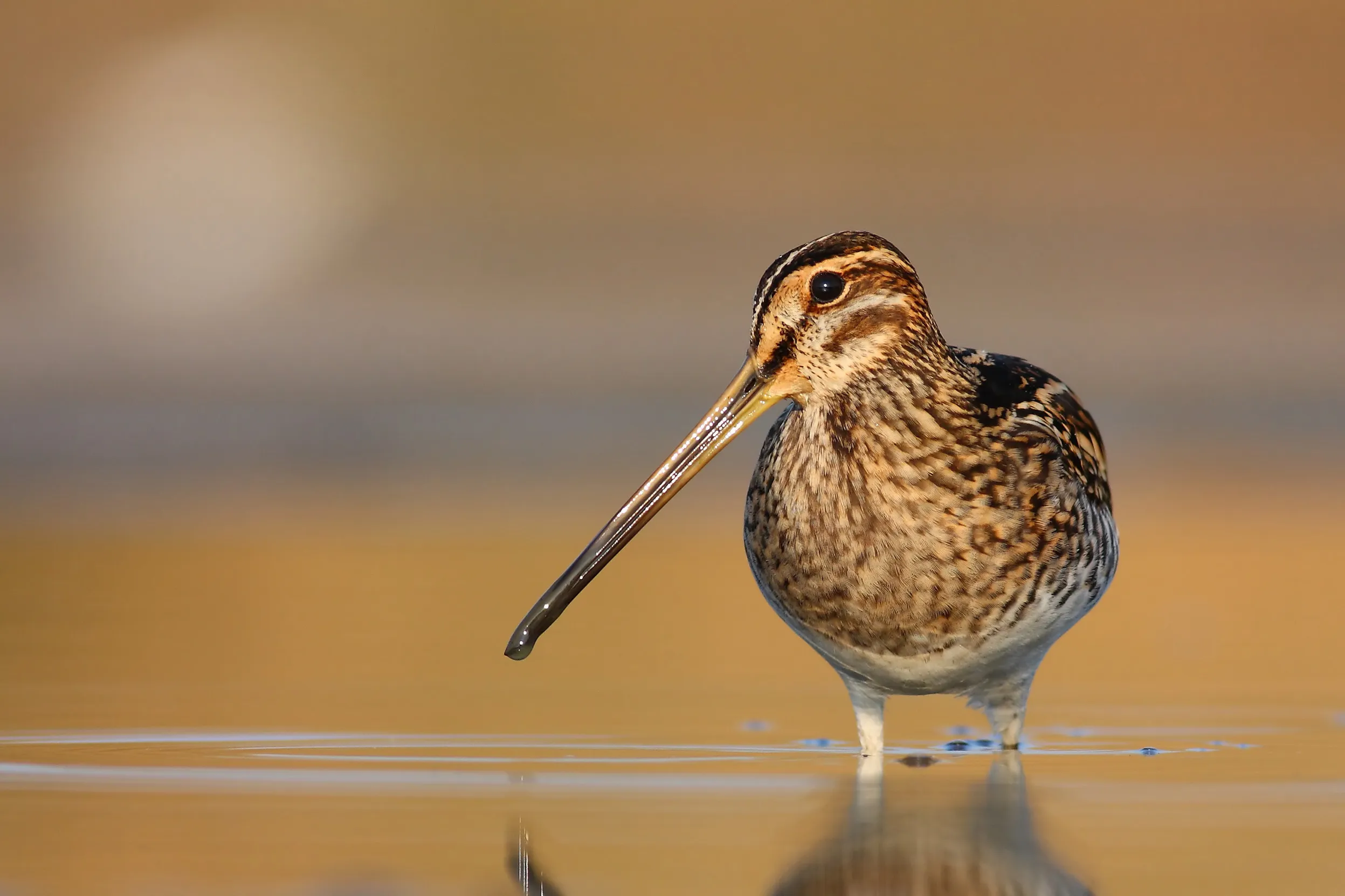
A Snipe stood in shallow waters in a golden light.
On this page

The RSPB is asked by members of the public to get involved with hundreds of cases every year that threaten to harm birds and other wildlife. Sometimes we are able to get involved, but in many cases unfortunately we are not. We know this can be disappointing, but there are good reasons why we can only get involved with a relatively small number of cases.  

When will the RSPB get involved?

There are a number of factors we have to take into account when deciding whether or not to get involved in a case ourselves, including the number of other cases we are already working on. We have limited resources and so we need to be careful that we don’t spread ourselves too thinly. We have guidelines that help us make (often very difficult) decisions between the many deserving cases that we hear about. We also apply some tests to help us prioritise the most important cases and ensure we are clear about the value our involvement will have. 

As a general rule, we aim to select the cases where we can have the greatest impact and make the biggest contribution to saving the very best places for nature. Often that means large developments on the doorstep of internationally important areas for wildlife. However, it can also mean smaller cases that threaten to set a damaging precedent, meaning that many others could apply the same poor approach, well beyond the boundaries of that individual case. 

No two cases are the same, and there is really no typical case that the RSPB gets involved with. But here are some of the reasons that are most likely to trigger our involvement: 

  • Significant threat to an internationally important site for wildlife  
    This could be a large development that is proposed to be built beside a legally protected wildlife site, which could cause unacceptable levels of disturbance to the birds or other wildlife that depend on the protected area, such as the A6 dualling case

  • Serious threat to the interests of an RSPB nature reserve 
    In the case of our own landholdings, as well as possible impacts to the site’s special nature conservation interests, we take other factors into account. This could include things such as our ability to manage the site or the experience of the visitors who come to enjoy the wildlife there – the Sizewell C case affected the full range of factors. 

  • High risk of setting a damaging legal, scientific or policy precedent  
    An example could be a proposal to build directly on top of a nationally or internationally important wildlife site, like the Coul Links case, which if allowed could open the floodgates to other similar developments being allowed on wildlife sites across the country. 

RSPB St Aidan's, visitors enjoying the nature reserve

Does the RSPB only get involved with cases that affect birds?

Yes and no. Birds are part of an intricate web that holds the natural world together. They are also great indicators for the health of less visible elements of that complex system. So, when we are seeking to protect birds, there is inevitably a wider benefit for other wildlife.  

However, there are of course threats to sites that are less important for birds, but really important for non-feathered wildlife. There are other organisations such as the Wildlife Trusts, Plantlife and Buglife that have greater expertise when it comes to these species. Like the RSPB, their resources are also limited, but they do try to get involved in the most serious cases.  

Sometimes a threat to a particular wildlife site is so significant that the RSPB joins forces with these other organisations. In these cases, we work together in a partnership to ensure that the site itself is protected and that important laws that protect nature as a whole are not eroded. The Tipner West case is an example of such a case.  

When developments or other proposals threaten any of the RSPB's reserves, we'll comment on impacts to a broader range of species (where we have the deeper knowledge to do so). 
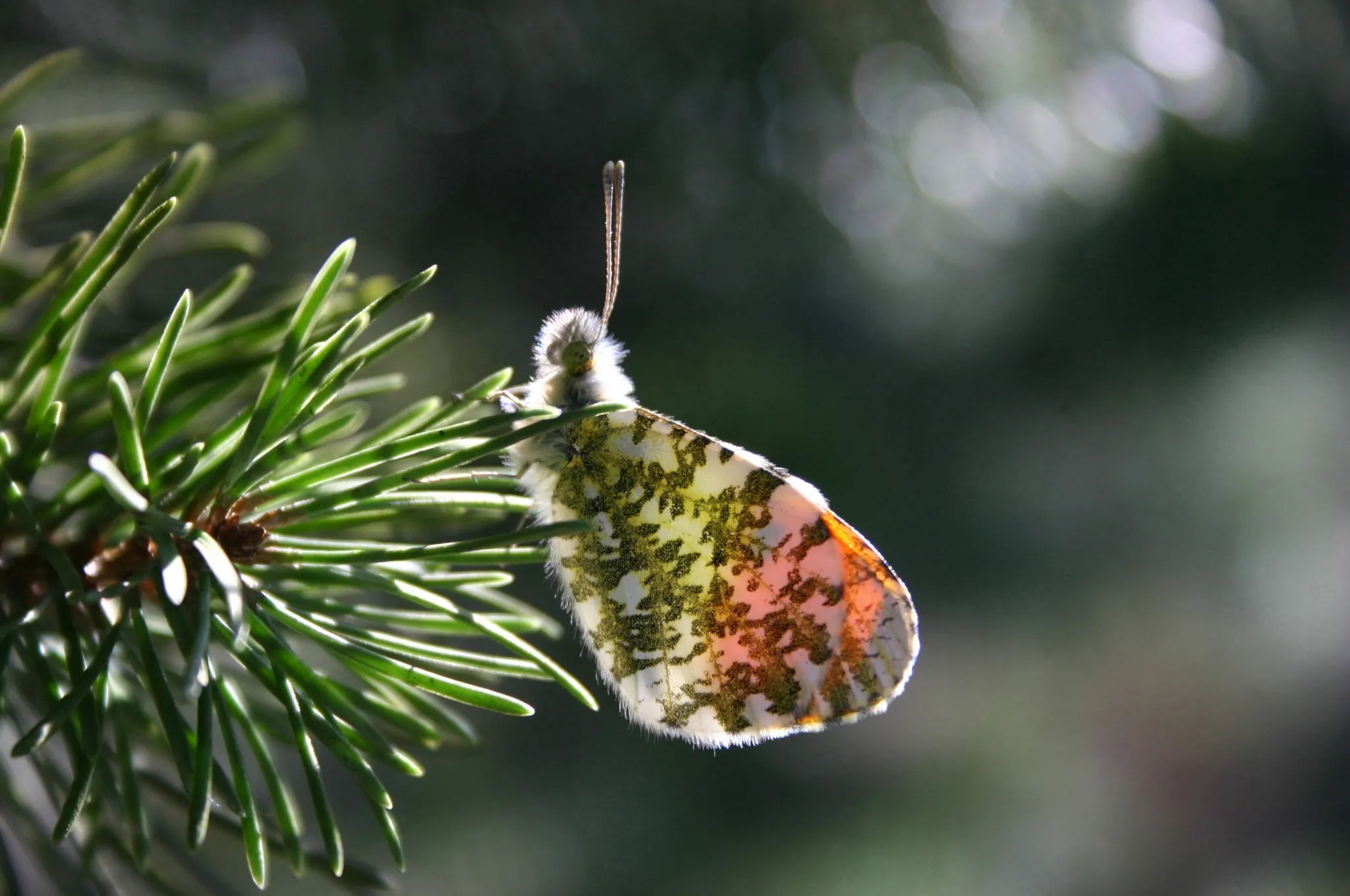
An Orange-tip butterfly perched on a plant, backlit by  the sun.

Who’s going to speak up for wildlife if the RSPB doesn’t?

We recognise that there are far more cases that need a voice for nature than the RSPB is able to get involved with. We also know that the cases we take on are not always the cases that matter the most to local communities, including our own supporters. Often, those cases involve impacts to local nature reserves or sites of local or regional importance, which we can’t take on. Sometimes they concern nationally or internationally important wildlife sites, but we still can’t take them on. All of these other cases are important in the drive to reverse the declines in nature, but the sheer number of cases that threaten wildlife far exceeds our capacity to engage in them.  

We can’t fight the battle alone, which is why we have developed resources to support more people like you to take action themselves. Our Planning for Nature toolkit provides all of the tips, tools and wisdom you need to help ensure that the wildlife you love is protected from development threats and, where development must go ahead, that space is made for wildlife. Whether you can spare just a few minutes or you have the time to rally others to take collective action, everything you need to know is here at your fingertips.  

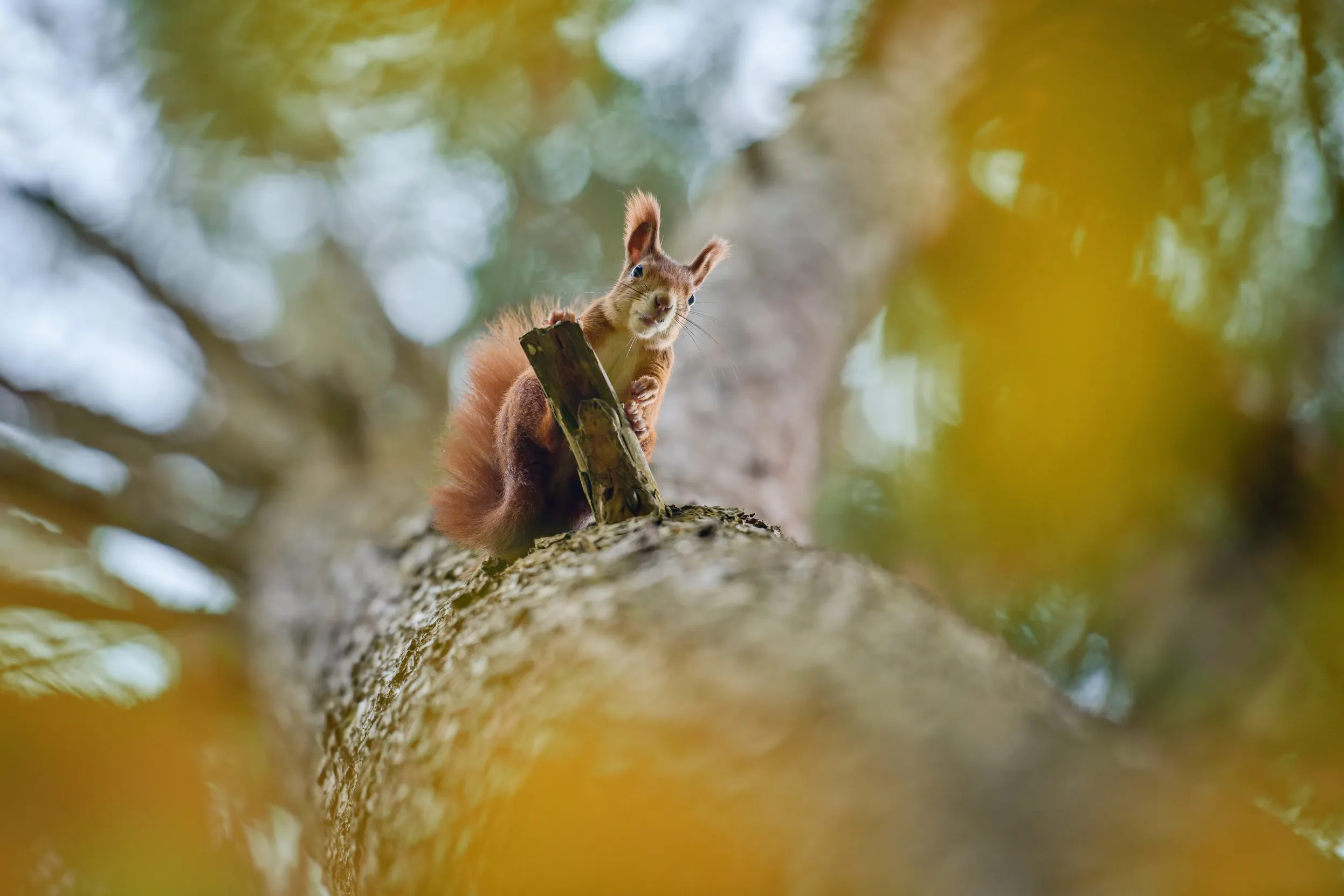
A Red Squirrel looking down a tree trunk towards the camera
Red Squirrel
Remember

Your connection to, and knowledge of, wildlife that is local to you is what puts you and others like you in a strong position to advocate for its protection. As members of the local communities affected and, crucially, as local voters, your voice can be more powerful than that of the RSPB or any other organisation like us.  

Explore our toolkit to learn how to ensure your voice is heard and be inspired by others that have also spoken up for nature with some great results.