Cairngorms Wader Survey
The 2025 Cairngorms Wader Survey shows a concerning picture for species like Lapwing and Redshank.
At RSPB Insh Marshes, we have a long-term vision to establish a dynamic habitat which can make a difference for threatened wader species like Curlew.
10 min read
Set amongst the remarkable and varied landscapes of the Cairngorms National Park, RSPB Insh Marshes encompasses internationally important wetlands. The nature reserve is home to large populations of breeding waders including Curlew, Lapwing, Redshanks and Snipe.
Some of these species, like Curlews, are really struggling. Curlews are on the Red List of the UK’s Birds of Conservation Concern and Near Threatened globally on the IUCN (International Union for Conservation of Nature) Red List of Threatened Species. In Scotland, Curlew have declined by more than half since 1994. The reasons for these declines are complex, with waders facing pressure from habitat loss and unfavourable habitat management, also resulting in high nest and chick predation rates.
At Insh Marshes, the reserve team and volunteers work to make it the best it can be for Curlews and other wildlife. Some restoration projects are needed to reduce impacts from historical changes to the river Spey, the floodplain, and tributaries. This gradual development into a more naturally functioning floodplain can support more species to thrive and boost other ecosystem services - improving water quality and reducing flood risk. On top of restoration, continuous habitat management like controlling invasive non-native species and managing appropriate grazing can ensure Insh Marshes remains a haven for ground nesting birds and other wildlife.
The surrounding farmland also plays a significant role in breeding success. When breeding waders return each year the grasslands provide valuable feeding grounds and, when their chicks are nearly ready to fledge, this farmland provides good habitat for rearing.

From 2020 to 2024, the Curlew LIFE project monitored the habitat, nests, chicks, and potential predators at RSPB Insh Marshes. Using trail cameras, breeding bird counts, productivity surveys, and even radio-tagging and tracking, we have built up a detailed picture of the way Curlews use the different vegetation types on the reserve. We identified the most valuable and successful breeding and feeding areas, but also the hazards chicks face whilst moving between them and areas where predator pressure appears too high. This research informed targeted habitat work, such as new wader scrapes and targeted predator management.
Data from the first few years showed a promising increase in the number of breeding pairs and, even better, a steady average increase in nest hatching success rates and territory success.
And the breeding Curlew population on Insh Marshes is on the rise again. Since Curlew LIFE has come to an end, monitoring has continued thanks to ongoing efforts from volunteers. The established predator monitoring protocol continues to inform the predator management on the reserve. For example, additional approaches tailored to the reserve were developed to improve the accuracy and discover trends in the answer to the most important question: How many chicks fledge on the reserve and will contribute to a rising curlew population in the floodplain and beyond?

Conservation grazing can make a massive difference to the breeding habitat for ground nesting birds, focusing on creating and maintaining landscapes to support a variety of wildlife. Grazing at Insh Marshes helps stop the most competitive plants taking over, improving variety and structure across the habitat. This creates muddy areas and variation in the landscape which ground-nesting birds prefer to help them hide from predators. We achieve this thanks to the collaboration of local graziers who provide livestock, alongside managing our own pony herd. Working with local farmers ensures an important cultural connection with the landscape is also preserved.
The active floodplain provides some of the best breeding habitat for wading birds the UK has to offer. Working on a large scale with partnerships such as Cairngorms Connect not only allows us to deliver river and floodplain restoration on the reserve, but also to benefit from peatland restoration, natural tree regeneration and plantation restructuring in the wider landscape, building resilience against pressures from climate change such as dry summers or heavy storms and flashfloods.
The 2025 Cairngorms Wader Survey showed promising results at Insh Marshes. Snipe numbers had increased from the previous year and while Curlew and Lapwing saw a small decrease, this is likely to reflect a stable population given the complexity of the site. Long term data supports this, showing Curlew have remained stable over the 25-year period the Cairngorms Wader Survey has been taking place.
In some areas of the reserve there was an increase in breeding pairs of Curlew as well as Lapwing and Snipe. We believe we’re seeing some encouraging signs for these species as we undertake efforts to make it the best it can be for threatened waders.
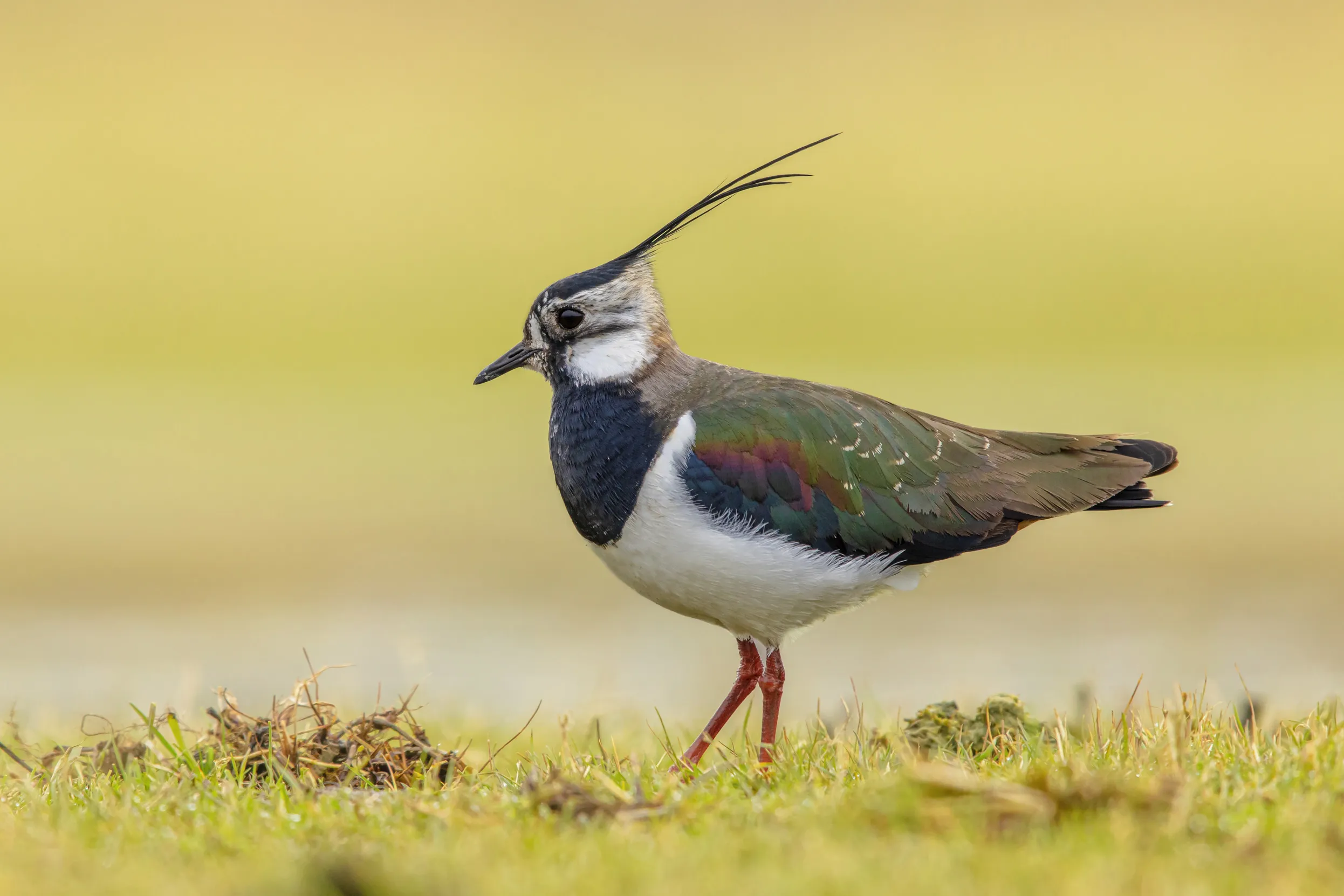
The 2025 Cairngorms Wader Survey shows a concerning picture for species like Lapwing and Redshank.
River restoration
We’ve explored a range of restoration options with experts, building on previous work with the aim of bringing benefits for people, nature and climate. We look forward to sharing more about the next steps soon.
Predator management trials
Predators are an important part of any healthy ecosystem. However, sadly most ecosystems in the UK are not in a healthy state, and this means we see unnaturally high predator numbers. Predation is a significant threat for ground nesting species like Curlew, and some protection from predation is often essential. The RSPB does everything it can to reduce predator pressure by non-lethal means which can be effective, such as predator fences around high densities of ground nesting birds. At RSPB Insh Marshes, we are hoping to progress a trial of ground-based diversionary feeding for the benefit of breeding waders.
Beavers
Although these crafty animals have only been part of the reserve ecosystem for just over two years now, we’ve already seen some positive hydrological impacts. In some areas the sometimes abrupt transition between woodland and more open habitats of floodplain have softened up as well. The impacts of Beavers are complex and we are excited to see how they take their place in our vision of a wader filled floodplain.

There are lots of ways you can help make a difference for Curlews and other threatened waders.
Make sure to follow the Scottish Outdoor Access Code when you spend time in nature. During spring and summer, be mindful to avoid breeding areas and keep dogs on a lead to help ground-nesting birds.
Raise awareness of Scotland’s incredible wader species by celebrating local populations and sharing your knowledge.

Support our Curlew appeal today and help protect vulnerable chicks, one nest at a time.
Much of our habitat restoration at RSPB Insh Marshes is made possible through the Cairngorms Connect partnership, funded by the Endangered Landscapes and Seascapes Programme (ELSP).
The Cairngorms Wader Survey is a partnership effort. A record number of volunteers took part in 2025 thanks to the RSPB Species Volunteer Network, made possible thanks to players of the Postcode Lottery.


