
Take action for nature
Find out about how to engage your representatives on the issues that matter to you.
As party conference season begins, new research shows nature is now a defining political issue.

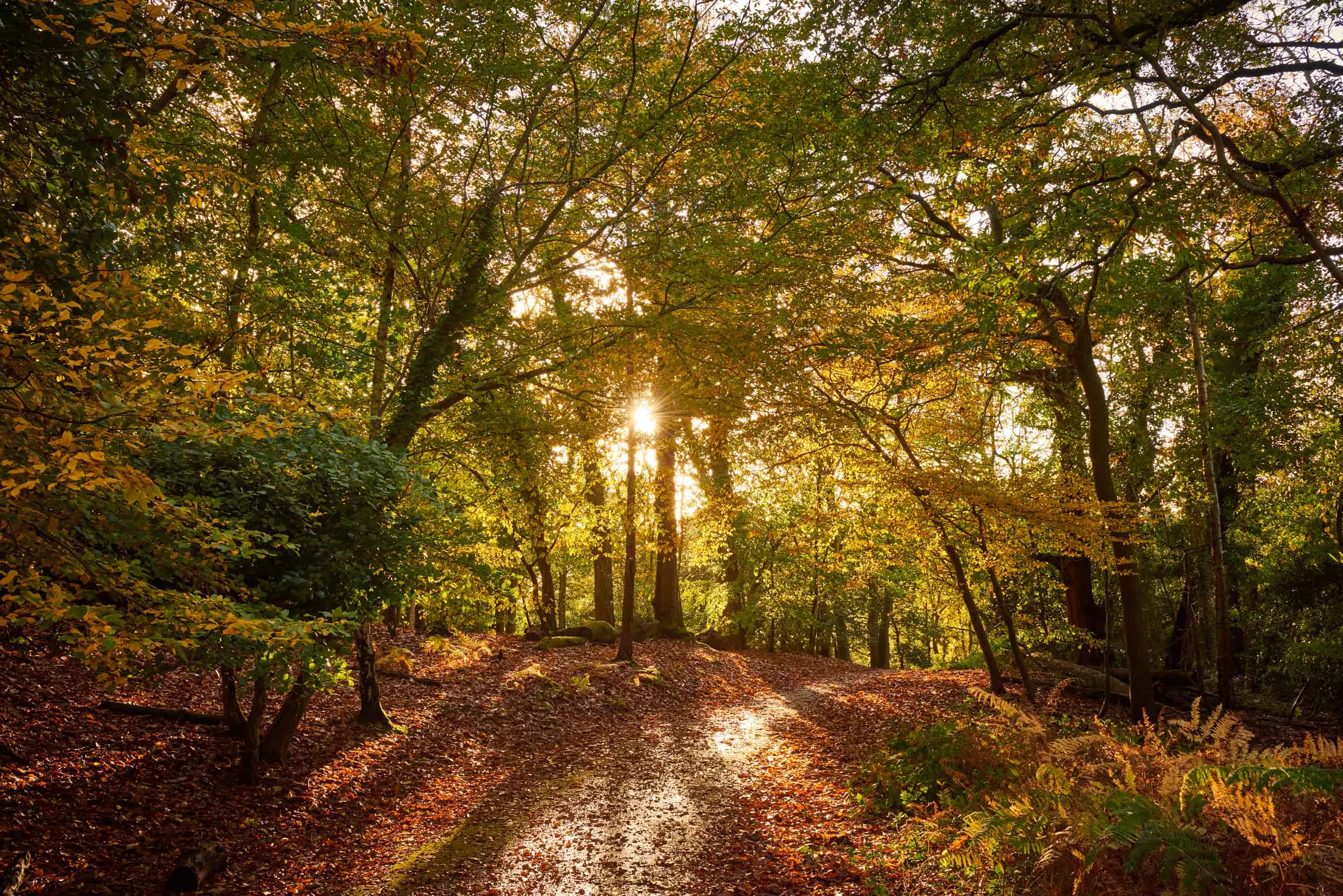
Nature has always mattered to me. I have spent my career working to leave the environment in a better state than I found it. Spending time in nature leaves me energised and ready to face the next challenge. I know I am not alone. Today if you walk through any park, woodland or stretch of coastline in Britain you will see something quietly powerful at work. People of all ages, backgrounds and political traditions find joy, pride and solace in nature. It is woven into our identity. But far too often, political leaders in Westminster treat nature as a peripheral concern; a nice to have, not something important enough to shape their political choices.
New research from More in Common, commissioned by the RSPB alongside the National Trust, The Wildlife Trusts, WWF and the Woodland Trust, shows just how outdated that assumption has become. Nature is not simply a personal passion or a cultural touchstone. It is now a defining political issue, one that voters expect every party to take seriously, and one that carries real electoral consequences.

The findings are striking. An overwhelming 82% of Britons say nature and wildlife are personally important to them; a sentiment shared consistently across political divides. This is not a niche concern of environmentalists; it is a mainstream value held by the vast majority of the public. And people are not naïve about the state of the natural world: almost half (48%) recognise that nature in the UK is in decline. They see polluted rivers, disappearing species and degraded landscapes, and they understand that the country is in trouble.
Yet many feel politicians do not share their concern. Only 32% believe nature is important to politicians, while 38% believe it is not. That gap between public expectation and perceived political attention is one of the most important findings of the research. It represents both a challenge and an opportunity for every major party. Voters care deeply about nature. They want action. And they are watching.
One of the most persistent myths in British politics is that nature protection stands in the way of building the homes the country needs. But the public simply does not buy it. According to the research, only 8% of Britons believe environmental protections are a major barrier to building homes. In focus groups across constituencies represented by different parties, voters rejected the idea that nature recovery and development must be in conflict. This view held true even among people experiencing housing insecurity and those who believe the UK urgently needs more homes.
This matters. In recent years, political debate has been framed around a false choice: protect nature or build houses. But voters see nature as part of how Britain should grow, not an obstacle to it. They want homes, yes, but they also want clean rivers, thriving wildlife and green spaces that support health and wellbeing. They expect politicians to deliver both. Here at RSPB, we have worked hard to show that this is possible. Our work at Kingsbrook demonstrates the art of the possible, working with housebuilder Barratt Redrow to create nature friendly housing.
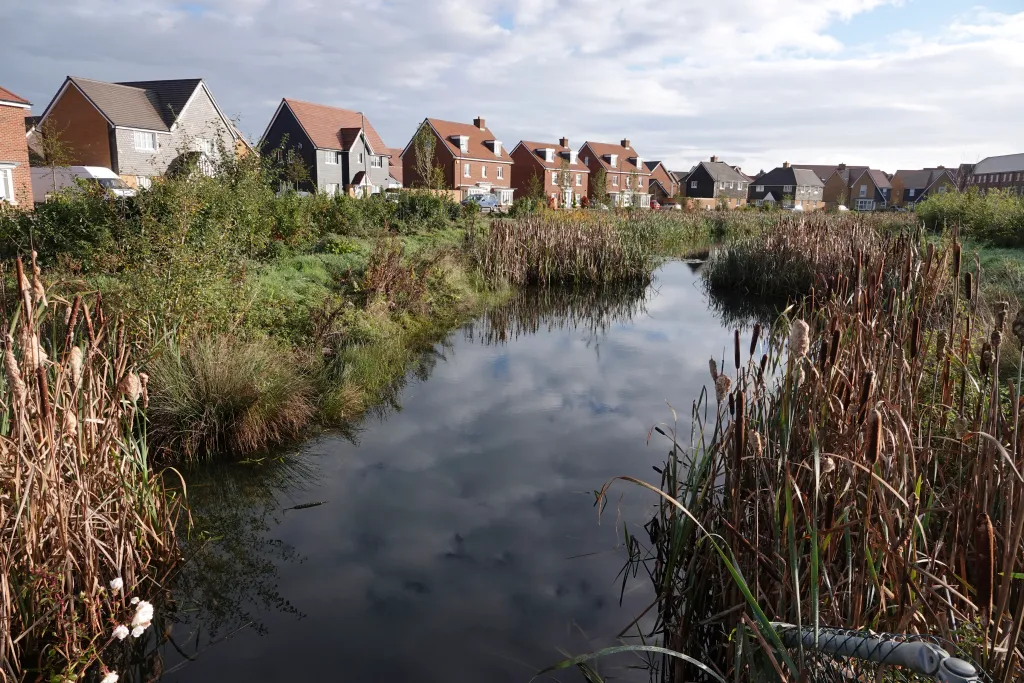
The research also reveals how nature plays differently across the political spectrum and why every party should pay attention. Reform voters, despite the party’s limited focus on environmental issues, care deeply about nature. Labour, now in government, faces risks if they are seen to weaken nature protections. Conservative voters, including those in the so‑called Blue Wall, are united in their concern for wildlife. Green Party supporters strongly associate the party with nature, and Liberal Democrats are seen as caring about nature locally. Across all five parties, the message is consistent: voters expect nature to be protected, restored and championed. Parties that fail to recognise this face real electoral risks.
For the RSPB, and for all organisations working to protect wildlife, this research reinforces a simple truth: nature is not a partisan issue. It is a national priority, shared by voters in every constituency and every political tradition. That is why we work across the political spectrum to secure policies that protect and restore nature.
This year, in partnership with More in Common and fellow conservation charities, we will be engaging with all major parties throughout the political party conference season to highlight the importance of nature to their voters and to the country’s future. Protecting wildlife is not only essential for the health of our environment; it is central to the values and expectations of the British public.

Safeguarding the UK’s protected areas is crucial to restoring nature. And key to that is stopping governments from weakening their current level of legal protection. They must instead restore the sites we have and designate the extra sites we need. The public understands this, and they want leadership that treats nature as the foundation of national wellbeing, not an afterthought.
Part of my job is to ensure that politicians are aware of the scientific evidence around how nature is faring and the policy solutions that nature needs to thrive. You can help increase the profile of nature by raising it with your elected representatives. If you’re not sure how, we can help you. Sign up to our campaign emails and join a growing community of people fighting to protect our natural treasures. Nature matters to Britain, and Britain is ready for politics that reflects that.
Find out about how to engage your representatives on the issues that matter to you.
Director - Policy and Advocacy