News
Day of action for Turtle Doves highlights the need for nature-friendly farming
We took the plight of Turtle Doves to Parliament to share a message of hope for these festive icons.
In this special report, we look back at what COP30 achieved, our biggest disappointment and what happens next.
COP30 has just wrapped up in Belém, Brazil, and for the first time in years, nature was meant to take centre stage. With hope for an ‘Amazon COP’, the world arrived expecting leadership on forests, nature and climate together.
The RSPB was there to make sure nature stayed firmly on the agenda and to push for decisions that help forests and nature. And while we did see some positive steps forward, a small group of countries were determined to keep nature out of the picture and held back real progress.
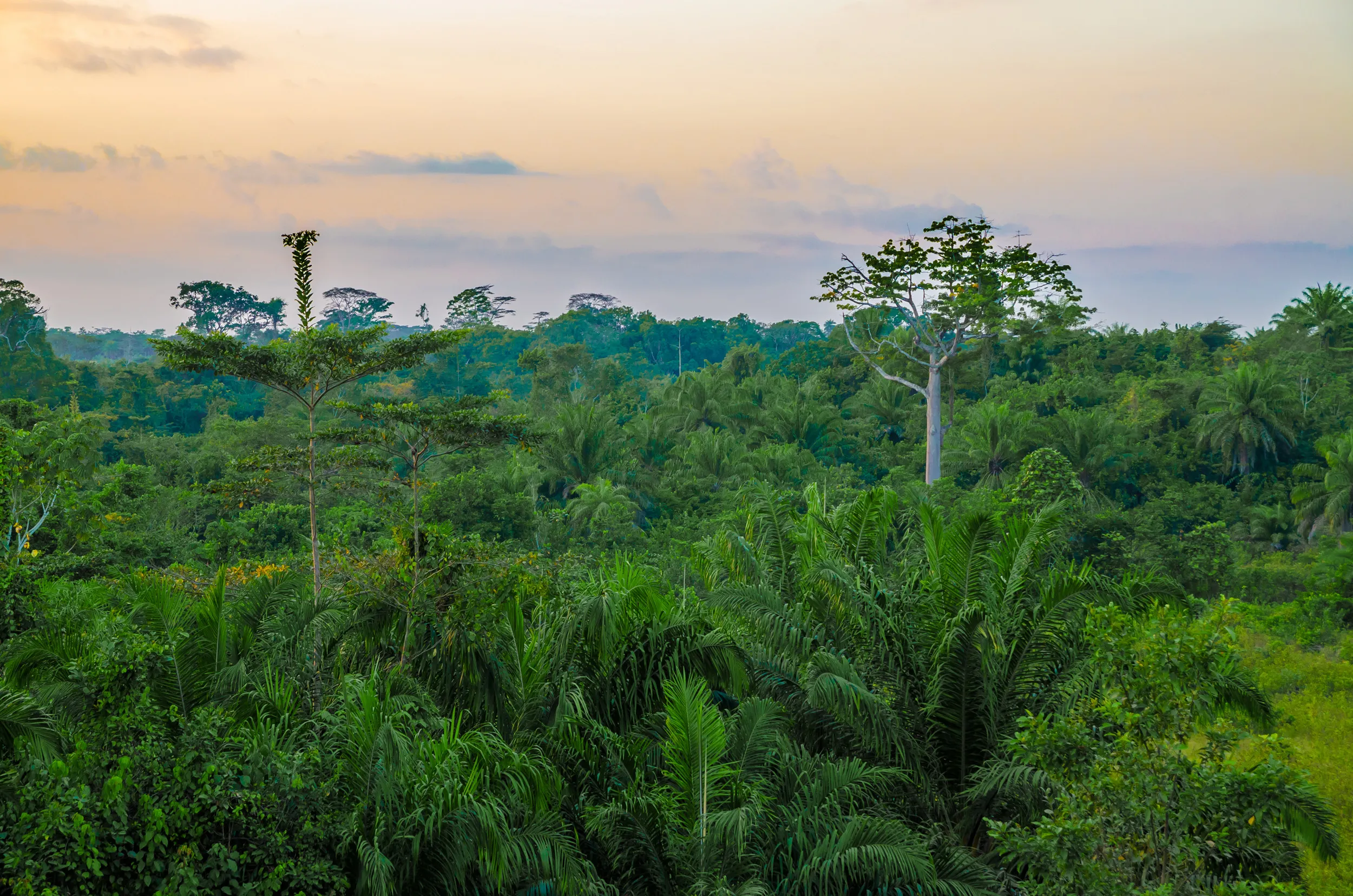
Nature and climate change are one crisis, not two. Forests store carbon, protect wildlife, support people and help limit the impacts of extreme weather - but they’re disappearing at alarming speed. We wanted COP30 to finally tackle climate change, biodiversity loss and land degradation together, rather than view them as separate issues.
We also worked to reduce the growing push for bioenergy to be treated as a ‘clean’ alternative to fossil fuels. Expanding large-scale bioenergy can damage forests, harm wildlife and make the climate crisis worse, so cutting through this narrative was a major priority.

Despite the challenges, there were some important wins.
For the first time, countries held full negotiation sessions on how to align climate and nature action. Only a year ago, this topic was squeezed into a short annual update. At COP30, it had five packed sessions with wide engagement, which was a significant change.
Halfway through the talks, we even saw ambitious proposals from many countries that reflected the ideas RSPB, BirdLife partners and others have been championing. While the final text wasn’t as strong as we hoped, countries did agree to keep working together and bring back more detailed proposals next year. The momentum has clearly changed, and nature is no longer being pushed to the side.
This was the first COP where bioenergy sat so clearly in the spotlight. Early on, there was a risk that dangerous language promoting biofuels and bioenergy would make its way into several agreements.
Through strong coordination with partners, public pressure, media work and direct engagement with negotiators, we helped stop most of this harmful language from making it into the final texts. This was a crucial victory for forests and for nature.
The biggest disappointment was the failure to agree a global roadmap to end deforestation or a plan to phase out fossil fuels. Brazil, supported by many others, pushed hard for both. But a small number of countries blocked progress, which means these ideas will instead move forward as ‘Presidency initiatives’ supported by willing nations, not as official COP outcomes.
We also hoped to see much stronger links made between the climate, nature and desertification conventions. However, these discussions stalled and will now continue next year.
Although COP30 didn’t deliver everything nature needed, it did create more stable ground. Nature is no longer an afterthought - it now has a permanent place at the negotiating table, with growing support and political attention behind it.
Over the coming year, we’ll continue working with partners around the world to keep building momentum. We’ll push for stronger nature-climate action, for better protection of forests, and for science and community voices to be heard.
The road ahead is still challenging, but this COP showed that more countries than ever want to move in the right direction. And we’ll keep working to make sure nature is at the heart of global climate action