Save our seabirds
We’re at risk of losing some seabird species in just a few decades. Be part of the team tackling their biggest threats.


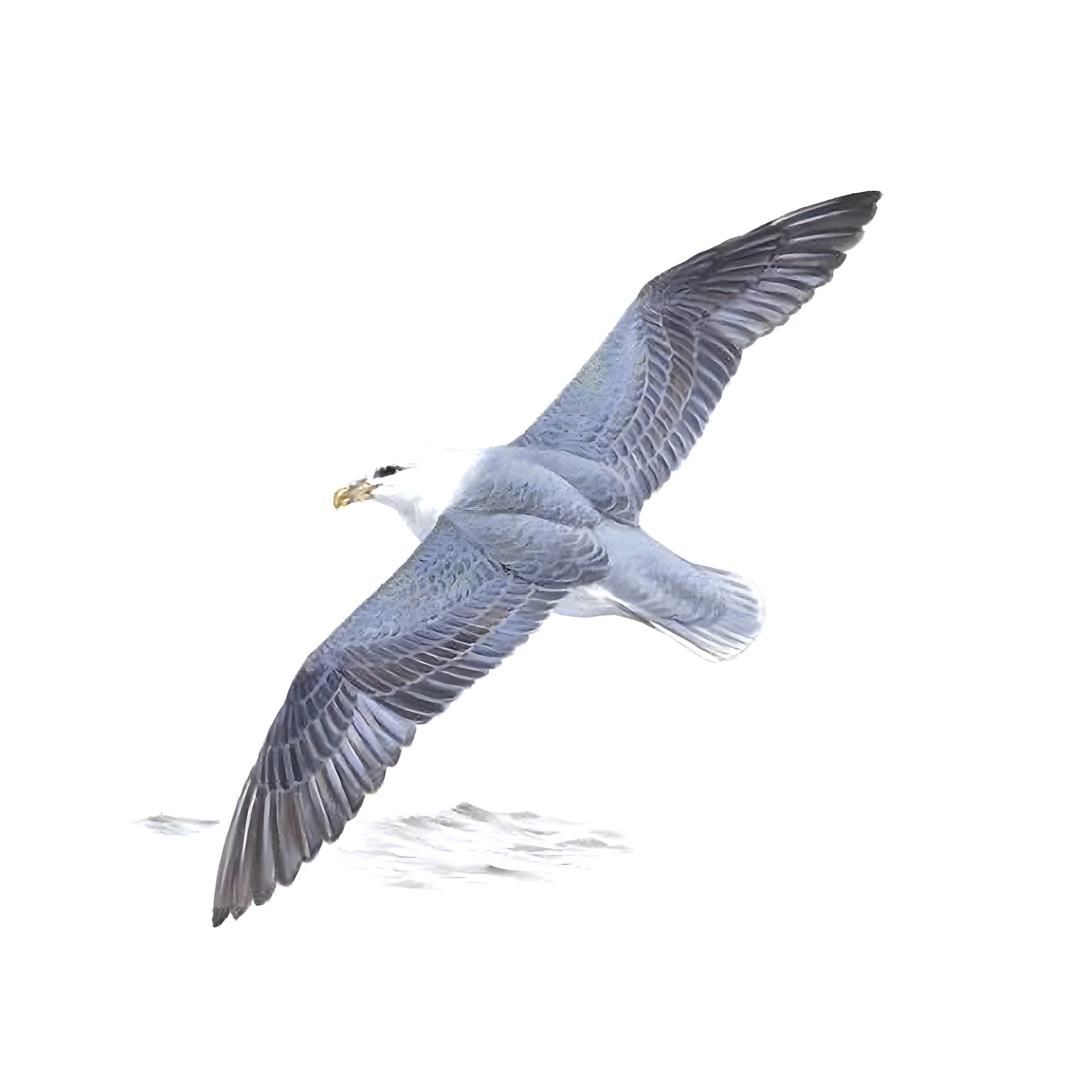
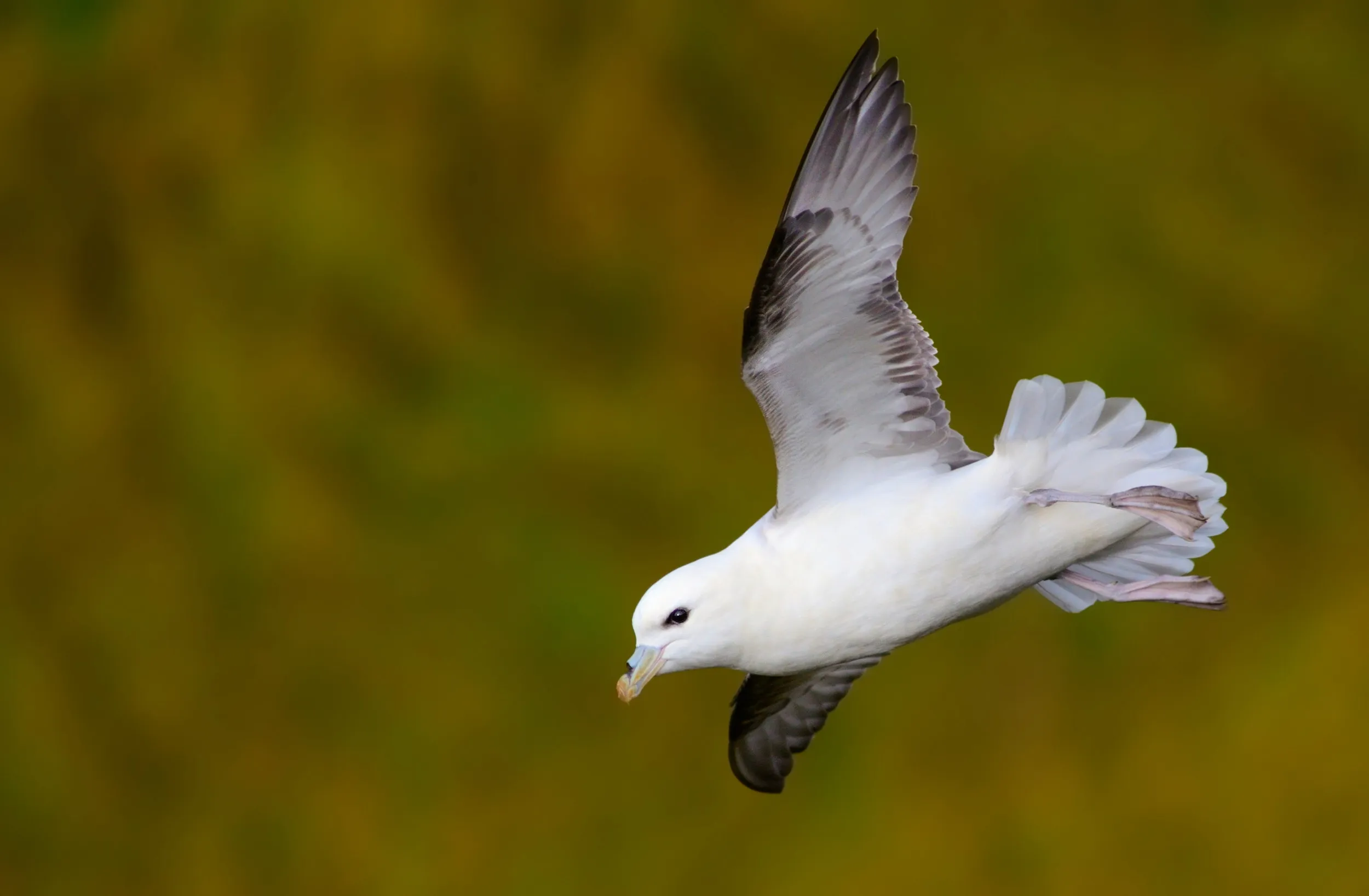
Fulmars are on the Amber list of UK Birds of Conservation Concern. However, over the last 250 years, North Atlantic Fulmar populations have actually expanded. More research needs to be done to find out why.
We’re at risk of losing some seabird species in just a few decades. Be part of the team tackling their biggest threats.
Fulmars spend most of their lives offshore. During the summer, you’ll need to pick them out amidst a flurry of nesting seabird species along coastal cliff faces around the UK.

In July, fearless Fulmars leap off their lofty nests into the open air to catch updrafts that send them soaring high up the cliff face. Catch the right day this month, and you might see chicks take their talon-biting first plunge too.
Flying Fulmars are quite the summer sight... but they’re also quite the smell. When threatened on the nest, Fulmars spit a foul-smelling oil at any intruder (including you!).

Brilliant birds, month by month: what to see and where to go.