How to identify

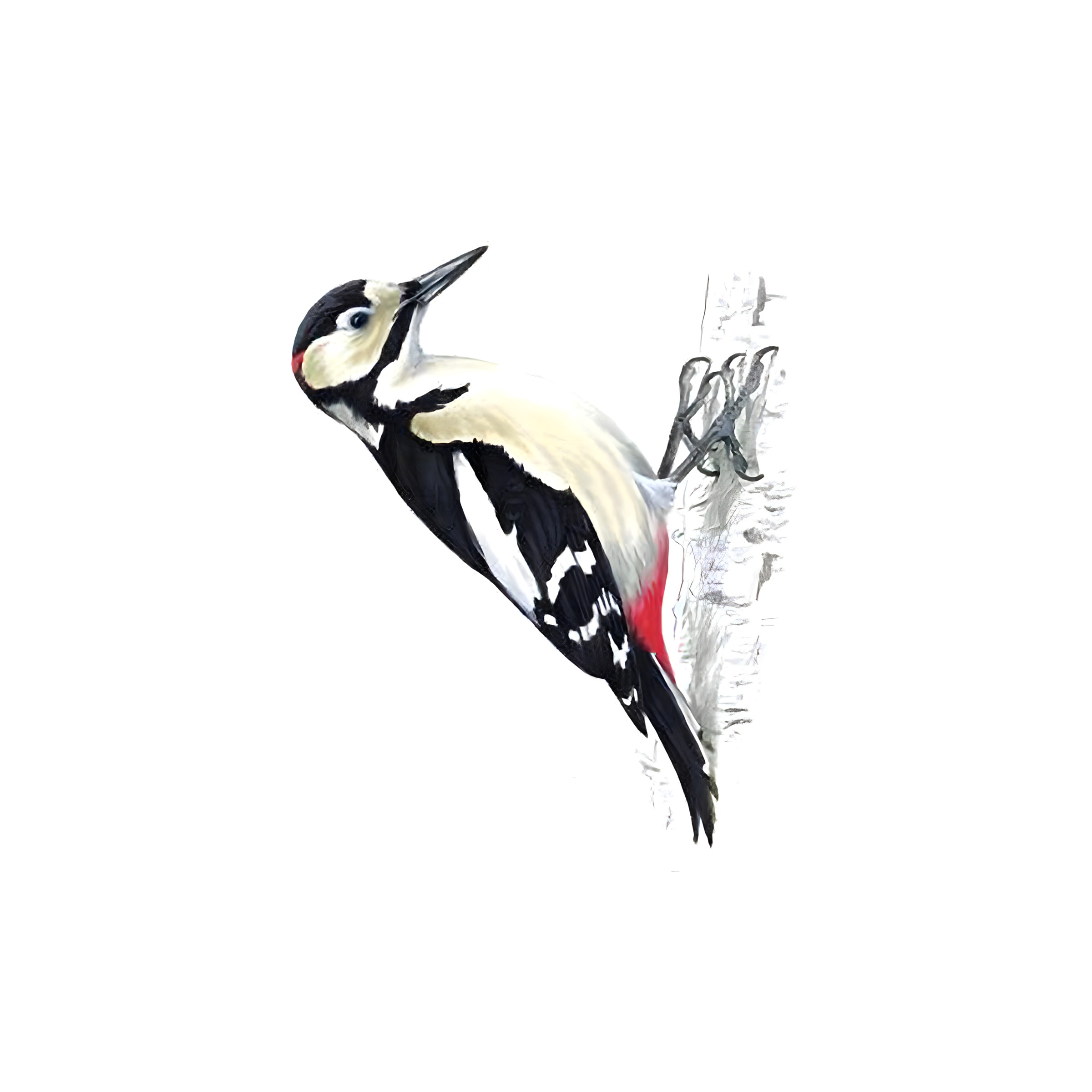
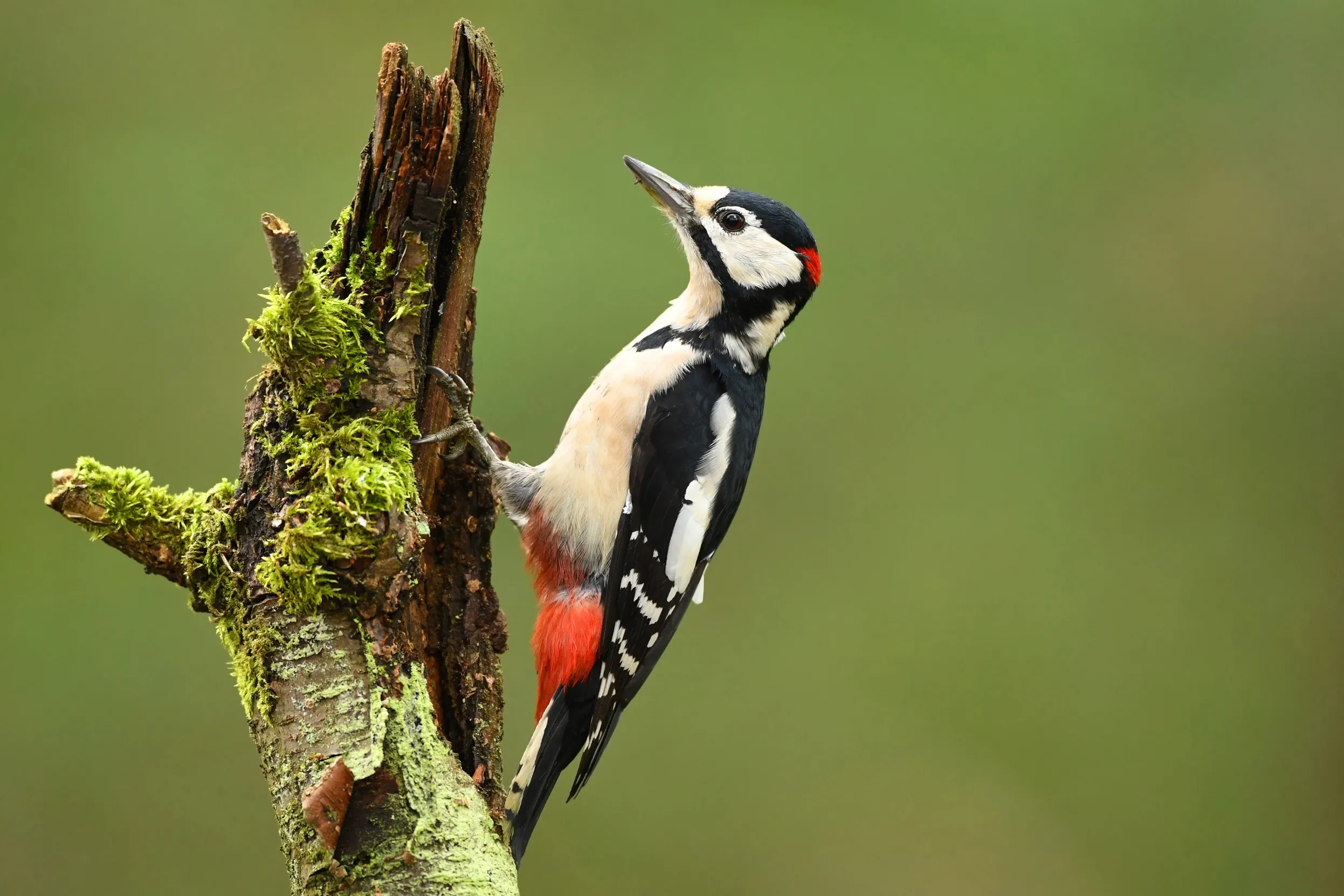
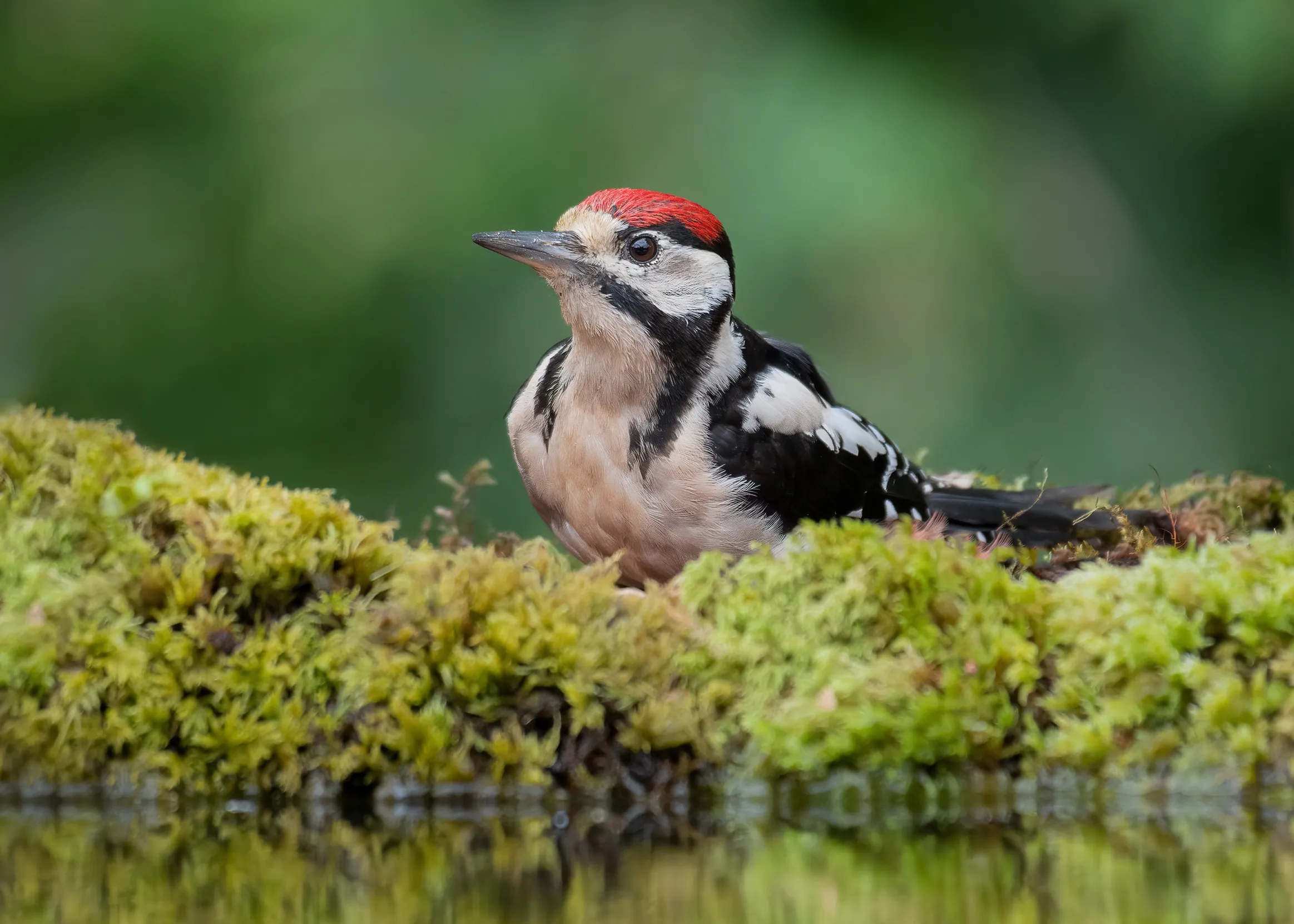
About Blackbird-sized and striking black and white. It has a very distinctive bouncing flight and spends most of its time clinging to tree trunks and branches, often trying to hide on the side away from the observer. Its presence is often announced by its loud call or by its distinctive spring drumming display. The male has a bright red patch on the back of the head and young birds have a red crown.

Call

Great Spotted Woodpecker

Mathias Ritschard / xeno-canto

Key features to look out for

  • About the size of a Blackbird, but more slender
  • Black, white and red plumage (on belly)
  • Males have a red patch on the back of the head
  • Juveniles have a red crown
  • Bouncy, undulating flight

Conservation status

With well over 100,000 pairs in the UK and a range expanding northwards in Scotland and now in Northern Ireland, the Great Spotted Woodpecker is on the green list of the Birds of Conservation Concern. General management of our woodland nature reserves ensures it has plenty of places to thrive.

Where and when to see them

In deciduous woods, gardens and parks in England, Wales, Scotland and parts of Northern Ireland.

Difficulty rating - Easy-moderate

Get familiar with its ‘chip, chip’ call and you will be alerted to its presence as it flies overhead.

Key

  1. Resident
  2. Passage
  3. Summer
  4. Winter
* This map is intended as a guide. It shows general distribution rather than detailed, localised populations.
  1. Jan
  2. Feb
  3. Mar
  4. Apr
  5. May
  6. Jun
  7. Jul
  8. Aug
  9. Sep
  10. Oct
  11. Nov
  12. Dec

Where best to see them

Great Spotted Woodpecker, perched on tree next to nest hole entrance
Great Spotted Woodpecker
Birds of the month

Head outside and discover fascinating birds each month. Read on for top ID tips, what to listen for, and where to see them.

Key facts