How to identify

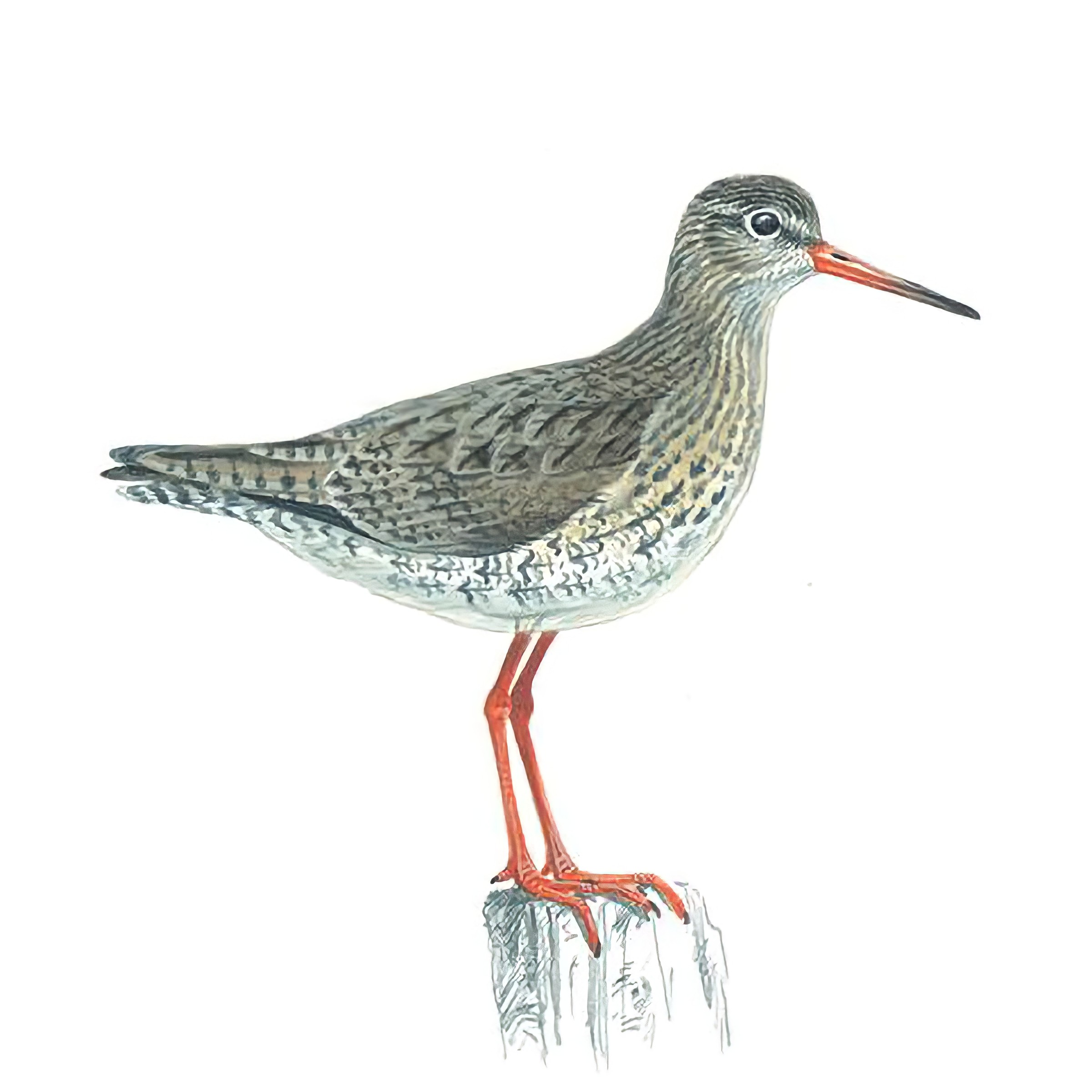
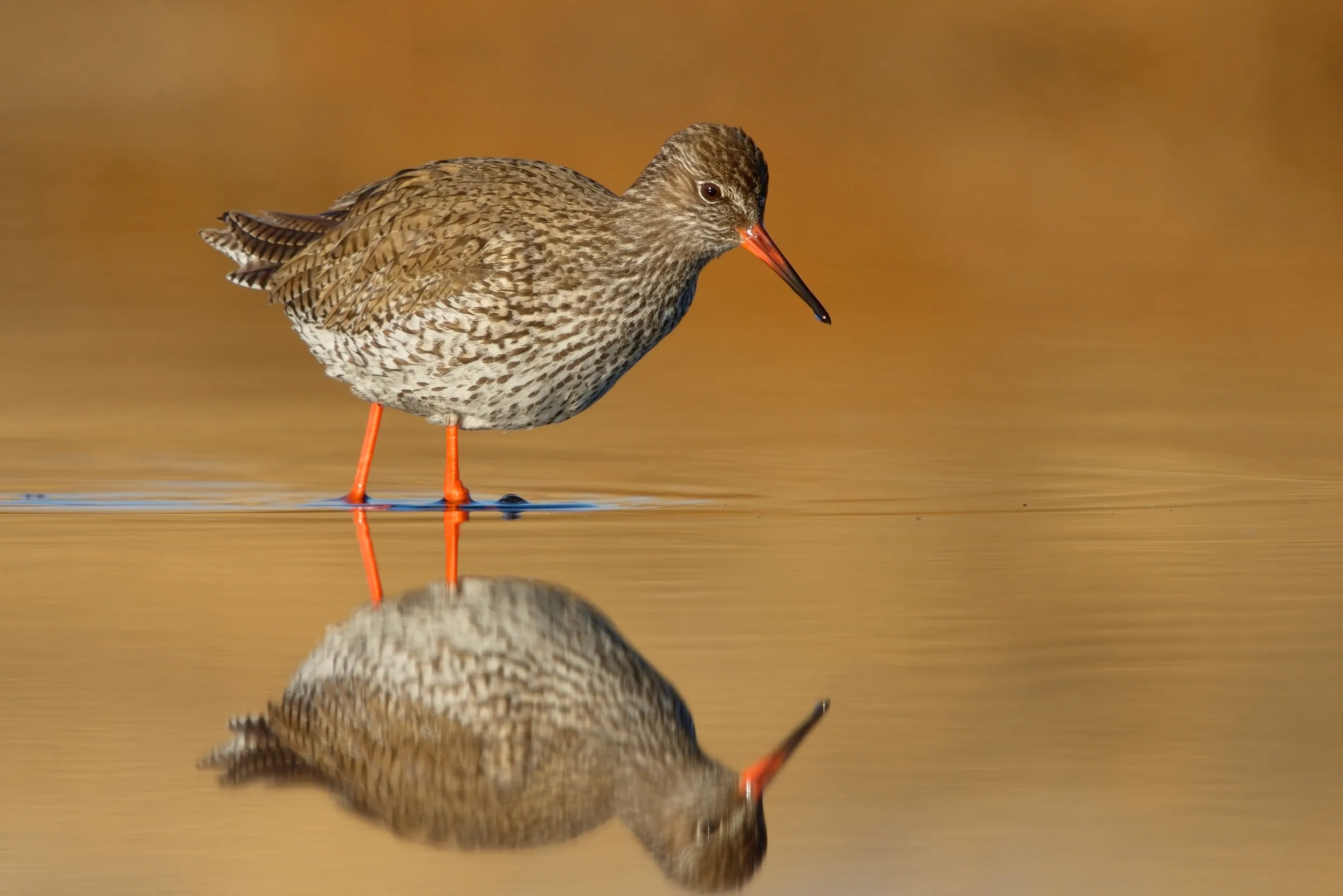
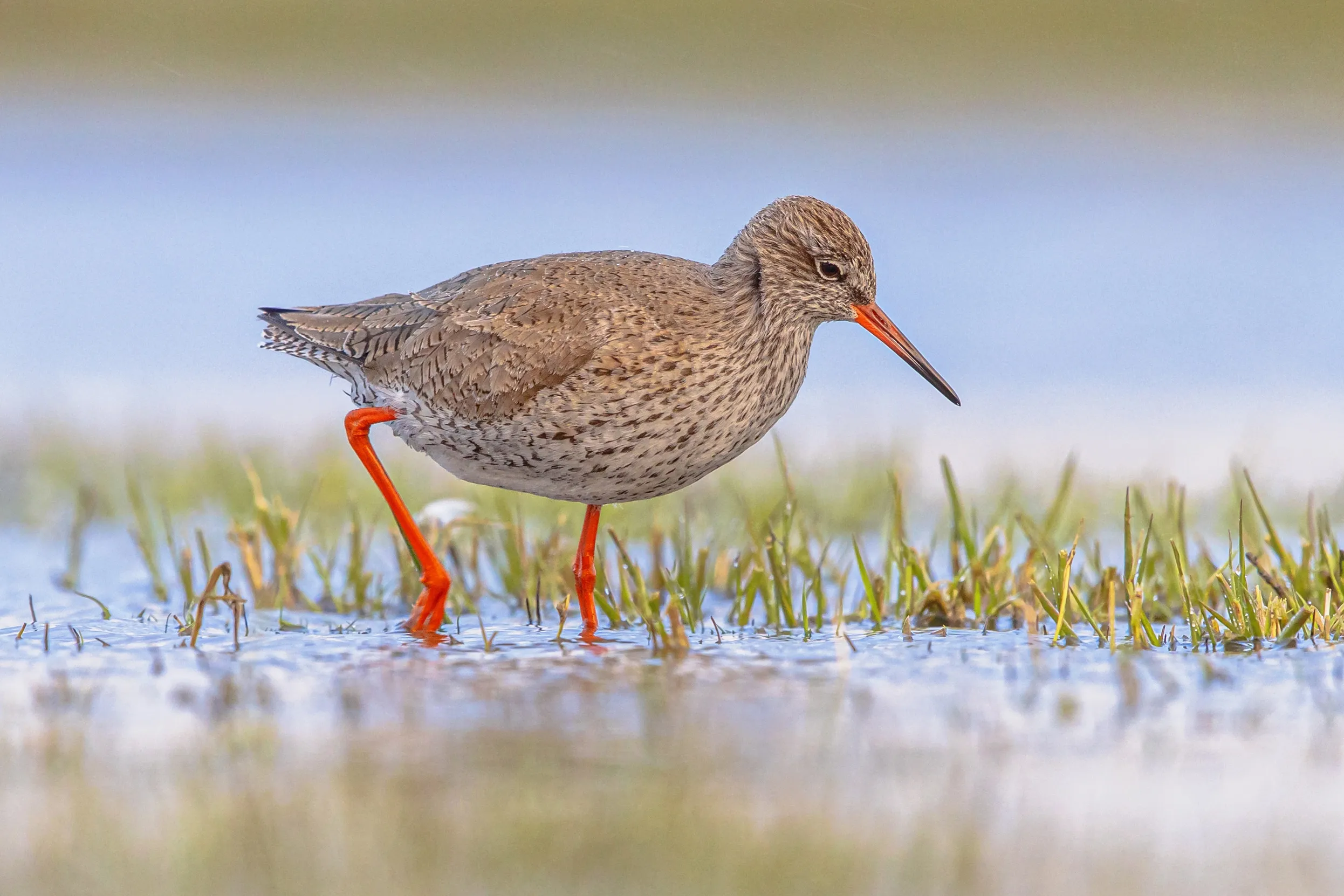
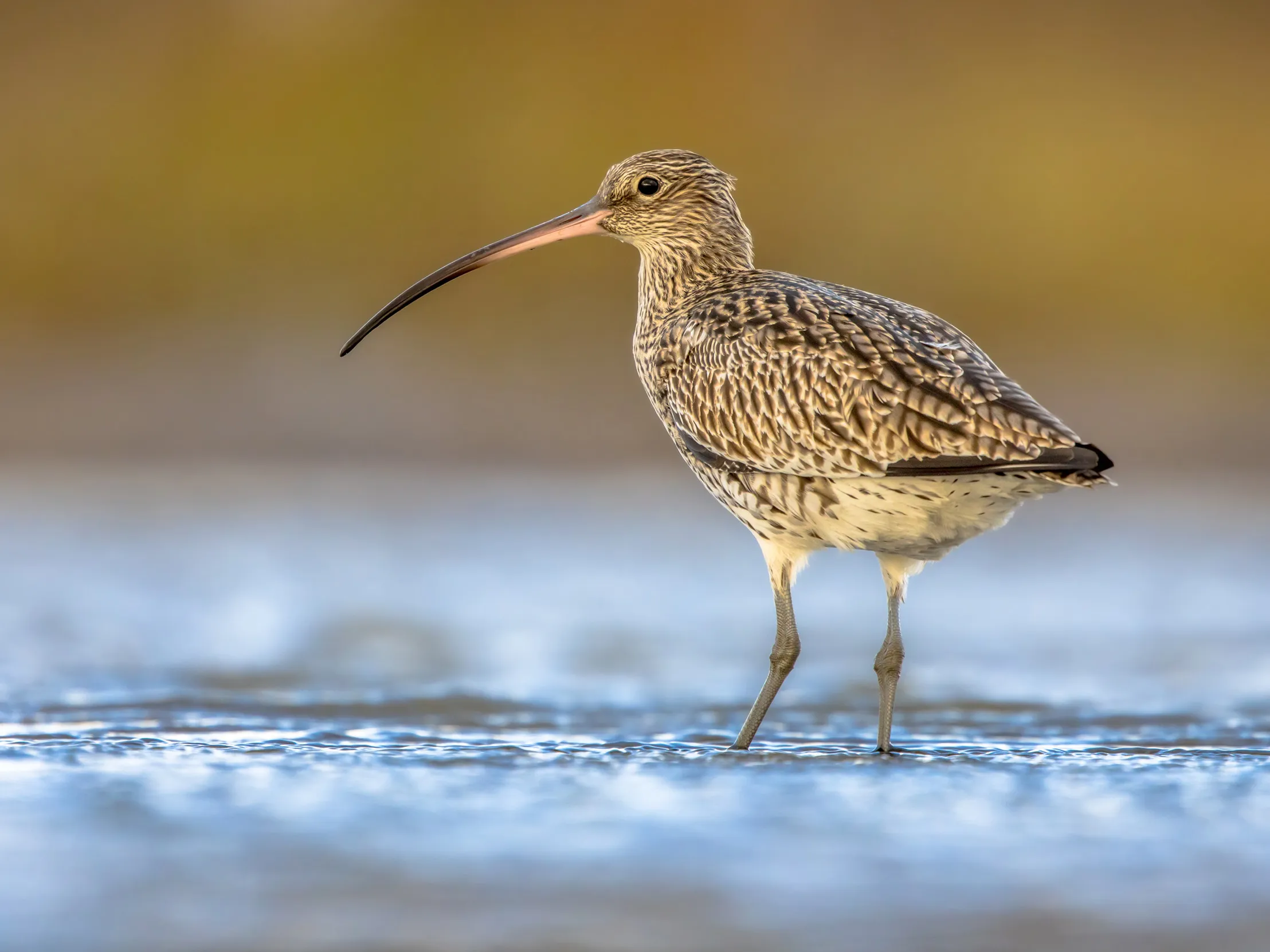
As its name suggests, Redshanks' most distinctive features are their bright orange-red legs. They have a medium-length bill and an orange base to match. Their back and wings are brown and speckled, while their belly is paler in colour.

Call

Redshank

Ruud van Beusekom / xeno-canto

Conservation status

The Redshank is an Amber-listed bird due to big declines in their breeding population. They’re threatened by loss and degradation of wetland habitats, loss of their eggs and chicks to predators, and extreme weather events becoming more common with a changing climate. Storms and high tides in spring can flood vital nesting areas for Redshanks, while lack of spring rainfall can reduce standing water which depletes insect populations.

The RSPB is implementing vital habitat management on the saltmarshes and coastal wet grasslands it manages, including beneficial livestock grazing, reducing predation, creating reserves of water and blocking up creeks to slow drainage, to help populations to recover.  

Where and when to see them

Difficult rating - Moderate

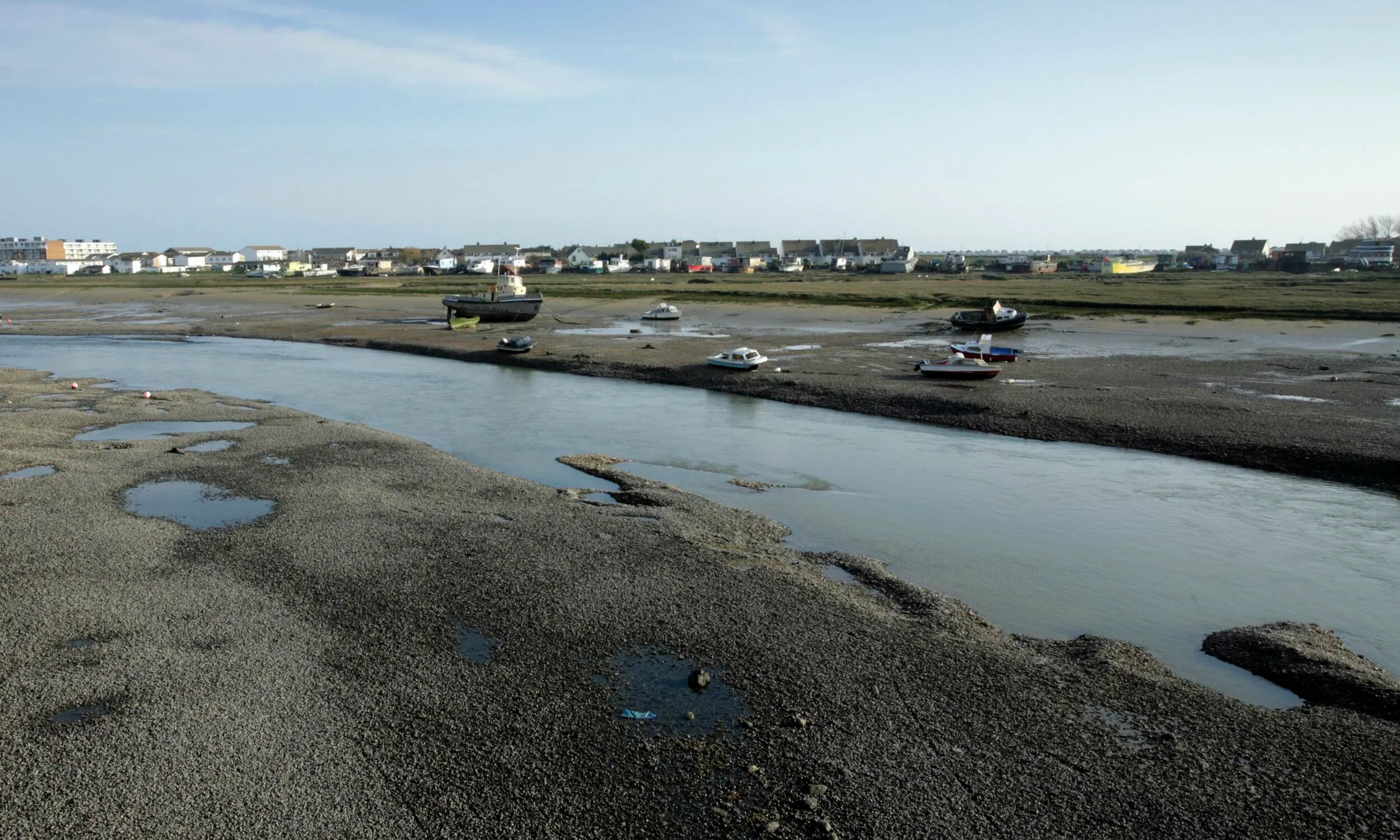
In winter, Redshanks flock to mudflats around the UK’s coasts. Their piping calls ring out around our estuaries, where they probe through the gloopy silt, picking out crustaceans and other invertebrates. As spring arrives and insects begin to emerge, they head to the saltmarshes and inland wet grasslands, with the aim of raising chicks.

This spring, scan areas of coastal marsh and see if you can pick out a Redshank. They’re one of our easiest waders to identify, thanks to their bright red legs and bill.

Key

  1. Resident
  2. Passage
  3. Summer
  4. Winter
* This map is intended as a guide. It shows general distribution rather than detailed, localised populations.
  1. Jan
  2. Feb
  3. Mar
  4. Apr
  5. May
  6. Jun
  7. Jul
  8. Aug
  9. Sep
  10. Oct
  11. Nov
  12. Dec

Where best to see them

A redshank on the mud on the Norfolk coast.
Redshank
Birds of the month

Head outside and discover fascinating birds each month. Read on for top ID tips, what to listen for, and where to see them.

Key facts