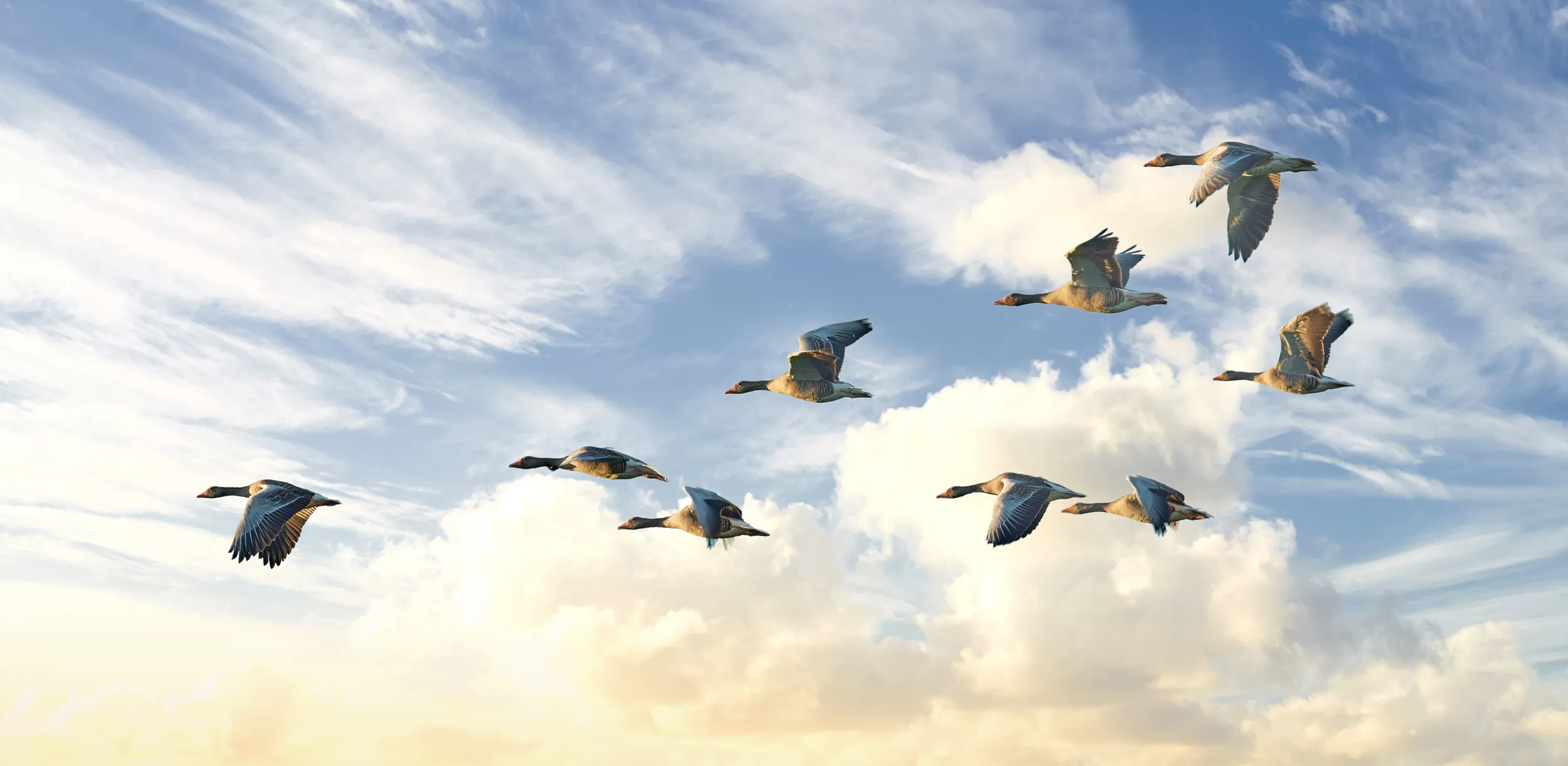
‘Cambridgeshire’s biggest wildlife spectacle’
Up to 6,500 Whooper Swans have been counted on Cambridgeshire’s RSPB Ouse Washes nature reserve creating a white feathered winter wonderland that can be seen at dawn.


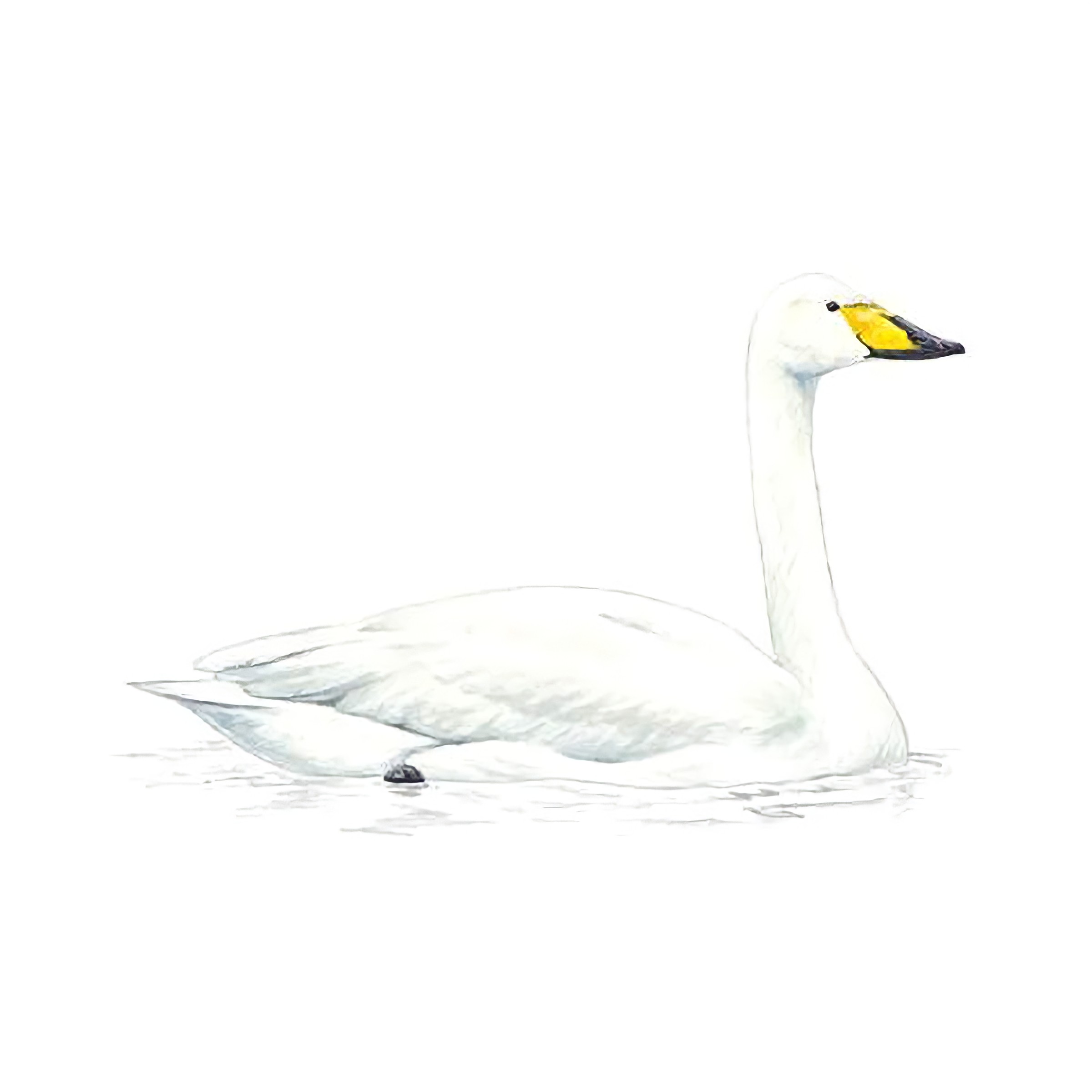

Whooper Swans are on the Amber List on the UK's Birds of Conservation Concern. Although there is some evidence that the numbers wintering in the UK are going up due to an increase in the Icelandic population, they face ongoing threats from avian flu and habitat loss.
Whooper Swans usually start arriving in the UK in October and leave again in March and April.
As Whooper Swans gather in fairly large numbers, they aren’t difficult to see as long as you go to the right places at the right time! Head to a site known to have Whooper Swans and ask fellow birdwatchers or reserve staff for where to find them.
Whooper Swans can be seen in winter in much of Scotland and there are also some large populations further south in England. Top spots to see them include RSPB Loch of Strathbeg in Aberdeenshire, Loch Leven in Perth and Kinross, Ouse Washes in Cambridgeshire and Portmore Lough in County Antrim.
Up to 6,500 Whooper Swans have been counted on Cambridgeshire’s RSPB Ouse Washes nature reserve creating a white feathered winter wonderland that can be seen at dawn.

During the day, Whooper Swans often gather in fields to nibble grass and feast on leftover potatoes and grain. As evening approaches, they head back to wetlands, where they feed on aquatic plants and roost out on the open water overnight.
These big birds are real high-flyers, they fly non-stop across hundreds of miles of open ocean and can reach astonishing heights. An airline pilot once reported seeing a flock of swans, thought to be Whoopers, at about 8,000 metres (26,250 feet) – that’s almost as high as Mount Everest!
Whooper Swans have a call that’s hard to miss – imagine a child trying to play the trumpet and you’re not far off! They often call while flying in groups, creating a lively, tooting chorus, that sounds a bit like an out-of-tune brass band playing overhead.
The vast majority of Whooper Swans nest on the tundra in Iceland and Scandinavia, but some pairs have been recorded breeding in the UK, particularly in Shetland and the Outer Hebrides. They build their nest on the ground and the female lays three to five eggs.

Get to know these snow-white beauties with our handy ID guide.