
Keep up to date
Register for our Action For Nature email to receive updates about Solent Gateway 2 and other key decisions and campaigns.
Solent Gateway 2 port expansion threatens internationally important wildlife sites.

Associated British Ports (ABP) is proposing to extend Marchwood Port onto undeveloped land on the western side of the Solent, at Dibden Bay. The site includes internationally designated wildlife sites, Sites of Special Scientific Interest (SSSI) and land within the New Forest National Park. The latter is one of the most biodiverse places in the UK and northern Europe.
The RSPB is concerned about the potential impacts on these protected places, which are critical for wintering waterbirds, breeding terns and gulls, rare invertebrates and rich marine life.
The coastal strip is part of an internationally designated Special Protection Area (SPA) that is protected for wintering waders and waterfowl. These include Dark-bellied Brent Geese, Ringed Plovers, Black-tailed Godwits and Teals. Offshore, areas are protected as foraging sites for breeding terns and gulls.
The expansion land is designated SSSI for its rich insect life. A total of 21 ‘nationally rare’ species have been recorded there, along with 67 ‘nationally scarce’ species, including rare beetles, bees, wasps and moths. Of particular note is a plant bug once thought to be extinct in Britain but is now known from three sites including this one. The land also holds a breeding Lapwing population.
The proposed development area is also one of the few remaining undeveloped areas on the Solent and is a Ramsar Site (one designated to be of international importance under the Ramsar convention). Therefore, the site needs to be protected to safeguard its rare habitats and species. Many of these are already under intense pressure from development, climate change and recreation.
Register for our Action For Nature email to receive updates about Solent Gateway 2 and other key decisions and campaigns.
The proposal is for the site to be developed and managed as three distinct areas:
(including a new dock and jetty into the River Test, new buildings, storage areas, multi-decked vehicle storage facilities and administration areas).
The RSPB is very concerned because the project would partially destroy, damage or disturb areas that have the highest levels of protection in UK and international law. These sites have been set aside for nature because the habitats and species they support are increasingly rare.
In addition, the area sits within one of the most pressured stretches of the East Atlantic Flyway. This makes the remaining undeveloped foreshore critically important for migrating and wintering birds.
We’re concerned by the plans to build a new jetty, which is proposed within the Solent and Southampton Water SPA/Ramsar site. This is because the location is designated for a variety of breeding and non-breeding waterbirds.
Some of this protected habitat will inevitably be lost to the jetty’s construction (and potential associated dredging). The potential impacts of the loss of any SPA/Ramsar site habitat will need to be carefully assessed.

(on the Dibden Bay SSSI).
We’re concerned that much of the proposal is within the nationally designated Dibden Bay SSSI. The proposed project will lead to significant loss of habitat from this area. We regard Dibden Bay to be functionally linked to the Solent and Southampton Water SPA, and this important ecological inter-relationship needs to be properly assessed.

(in the area within the New Forest National Park).
Finally, the proposed country park could significantly influence how people use the surrounding area. While it has the potential to ease pressure on nearby sensitive habitats currently disturbed by recreation, it also brings risks.
By attracting more visitors, the park could increase disturbance to protected sites that are used by coastal birds for resting, feeding and breeding. Careful assessment will be essential to balance these opportunities and risks.
In a landscape facing increasing port-related activity, ongoing coastal development, and accelerating climate-driven coastal squeeze, the remaining fragments of natural coastline here are exceptionally important.

There will be a statutory consultation in 2026 when the public will be able to comment on the proposals. Keep an eye on this webpage or head to the Solent Gateway 2 project website for further information.
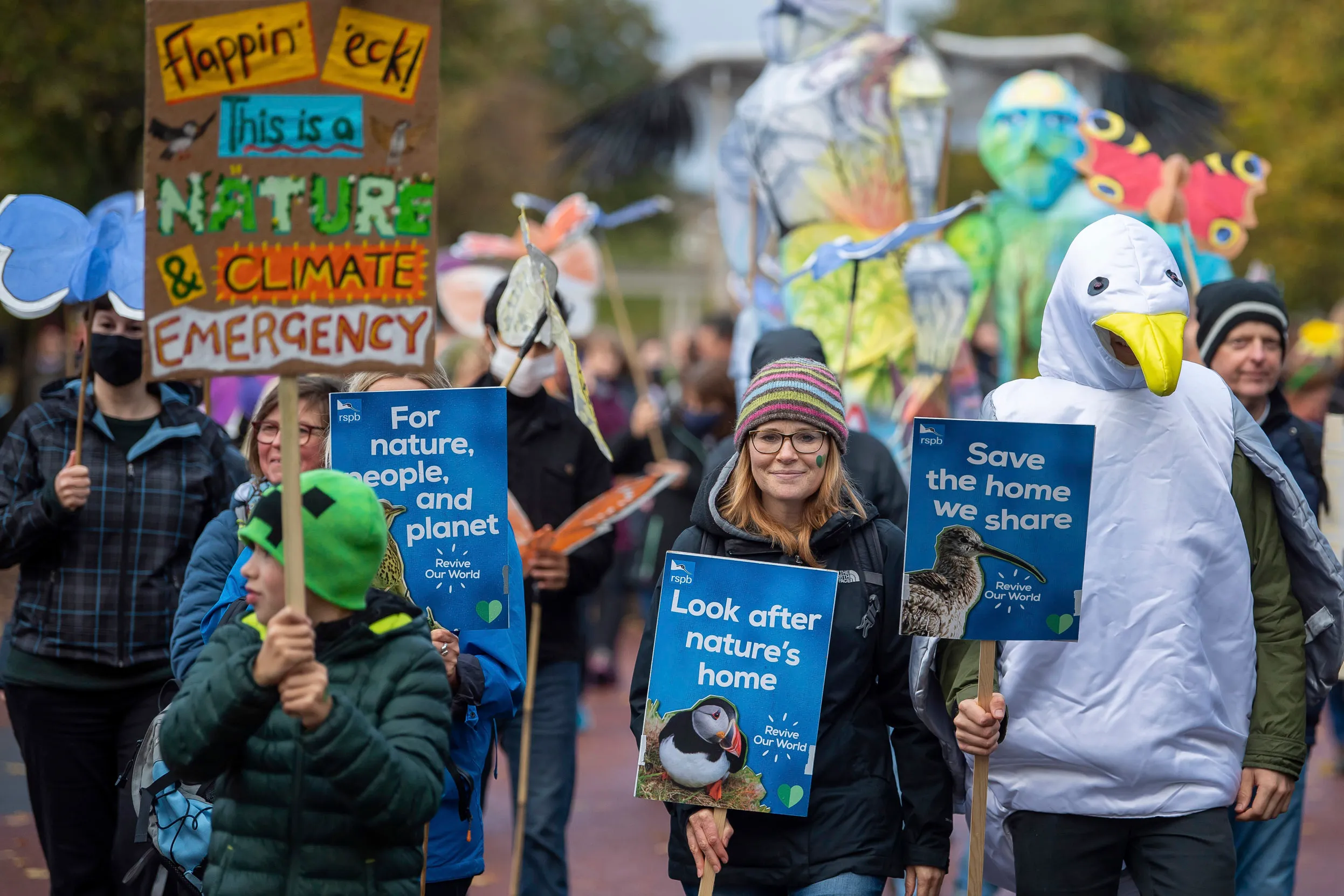
Alternatively, you can sign up to receive RSPB email updates on key decisions and campaigns, and take action for nature too, by clicking the link below.