Did you know?
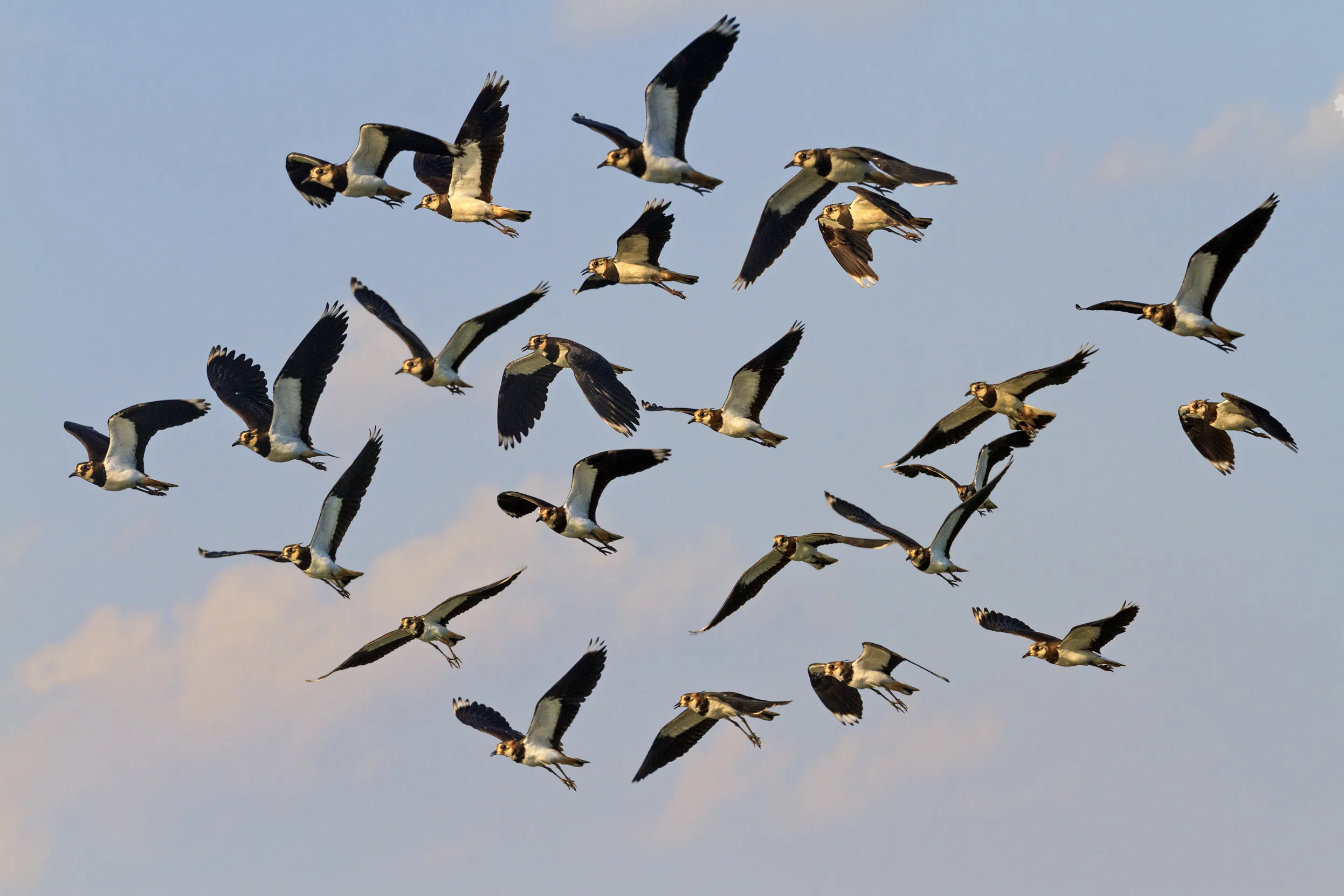
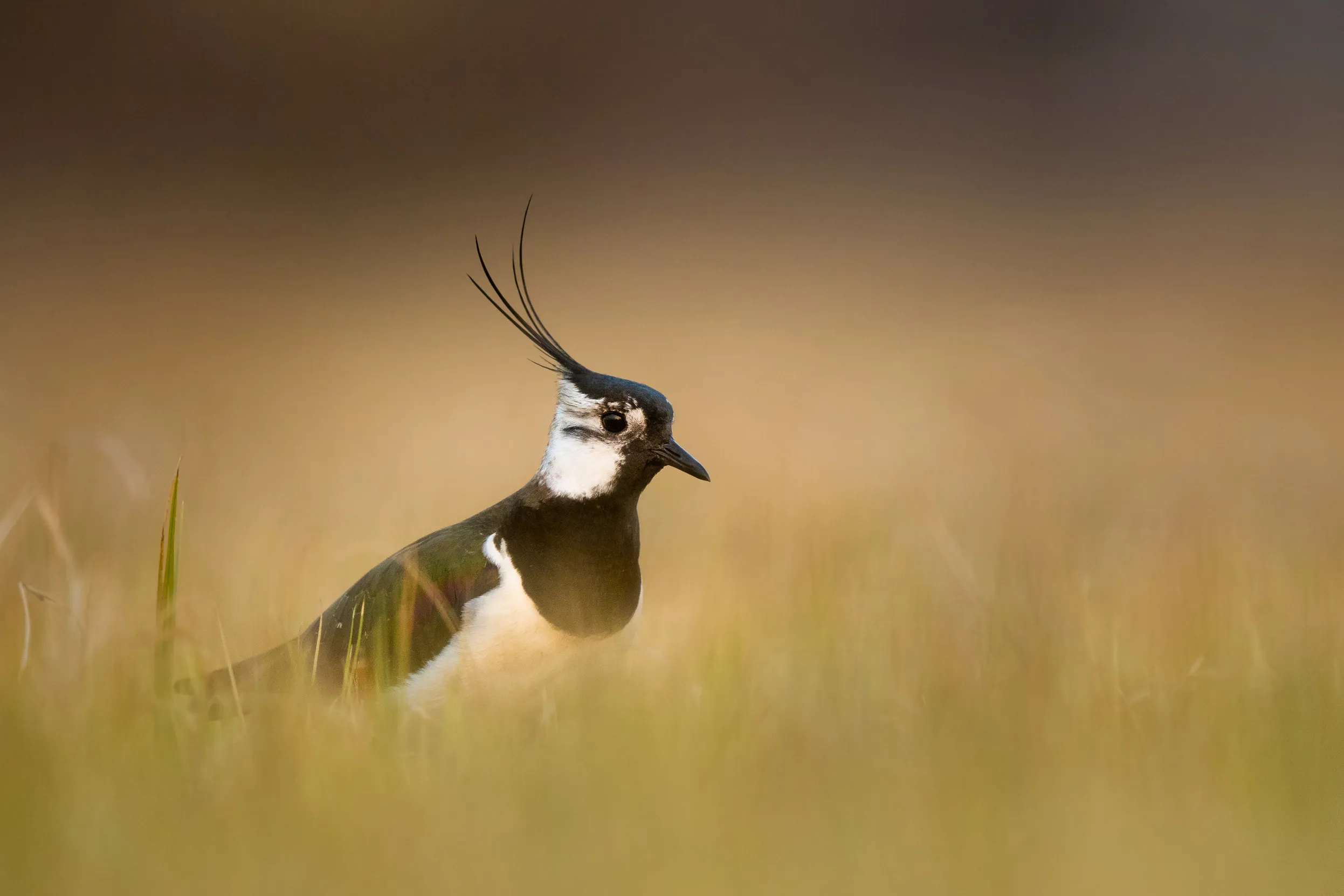
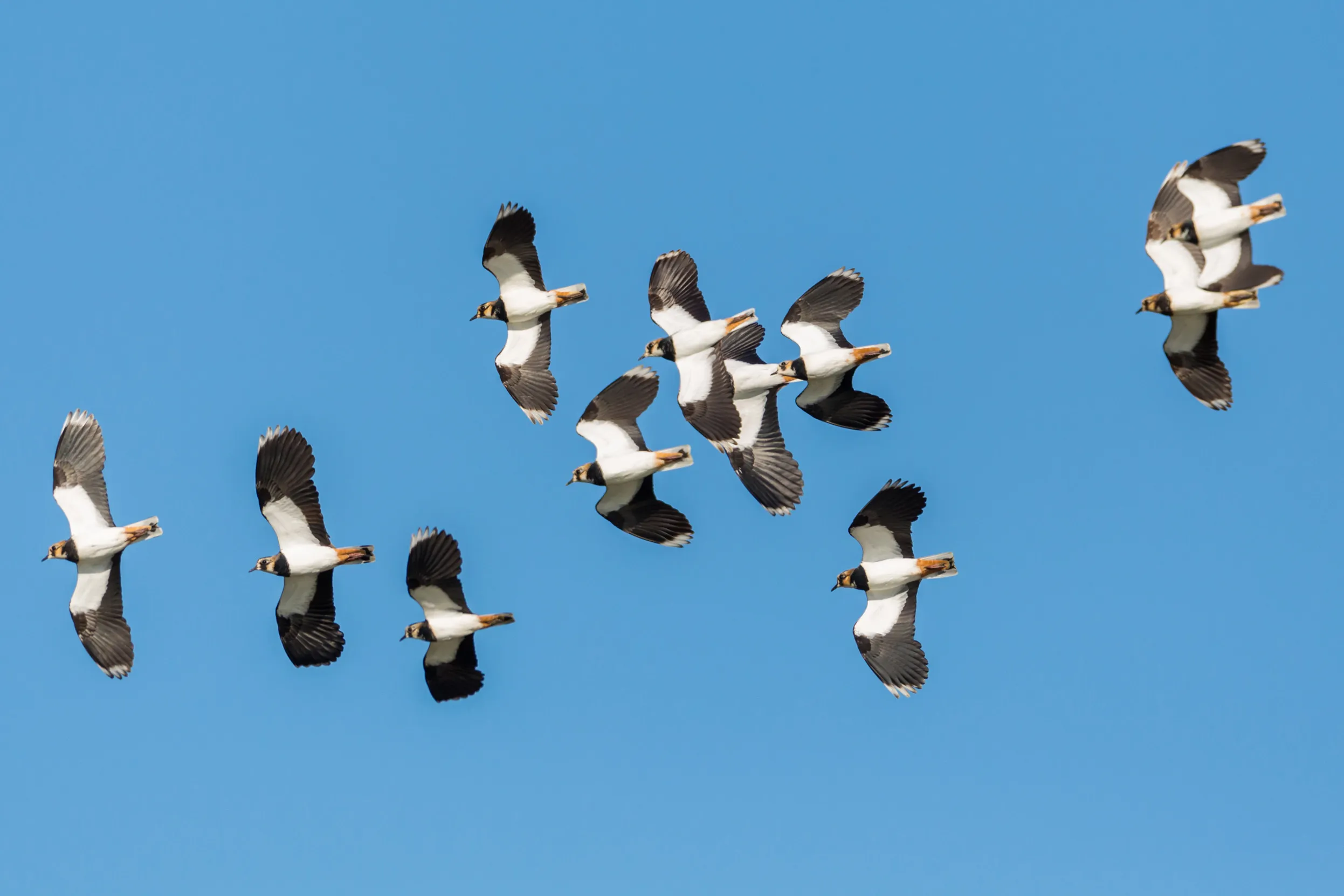
The name ‘lapwing’ relates to the way they fly – zigzagging through the skies. In the breeding season, the males really go to town with a tumbling and zooming flight to impress the females.


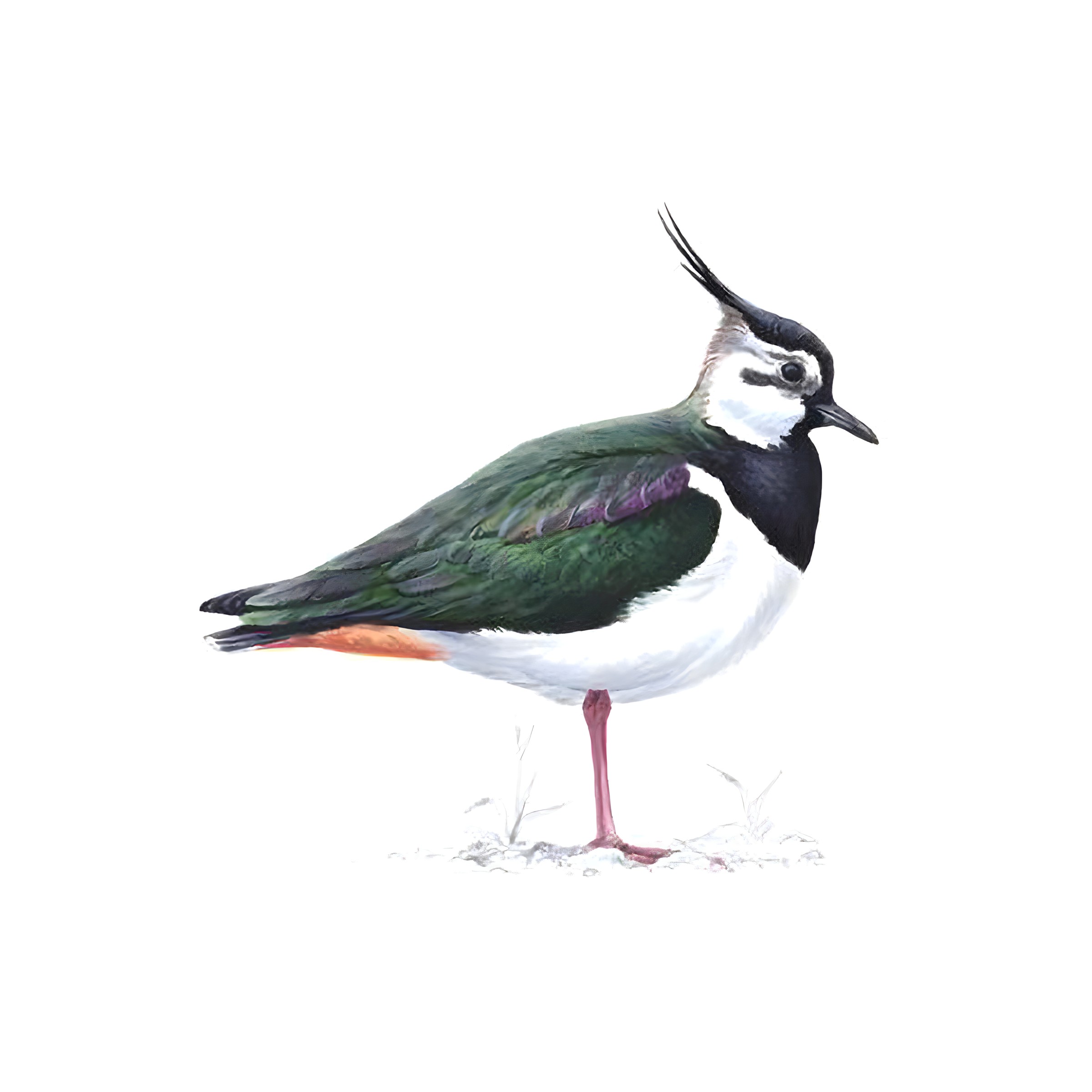
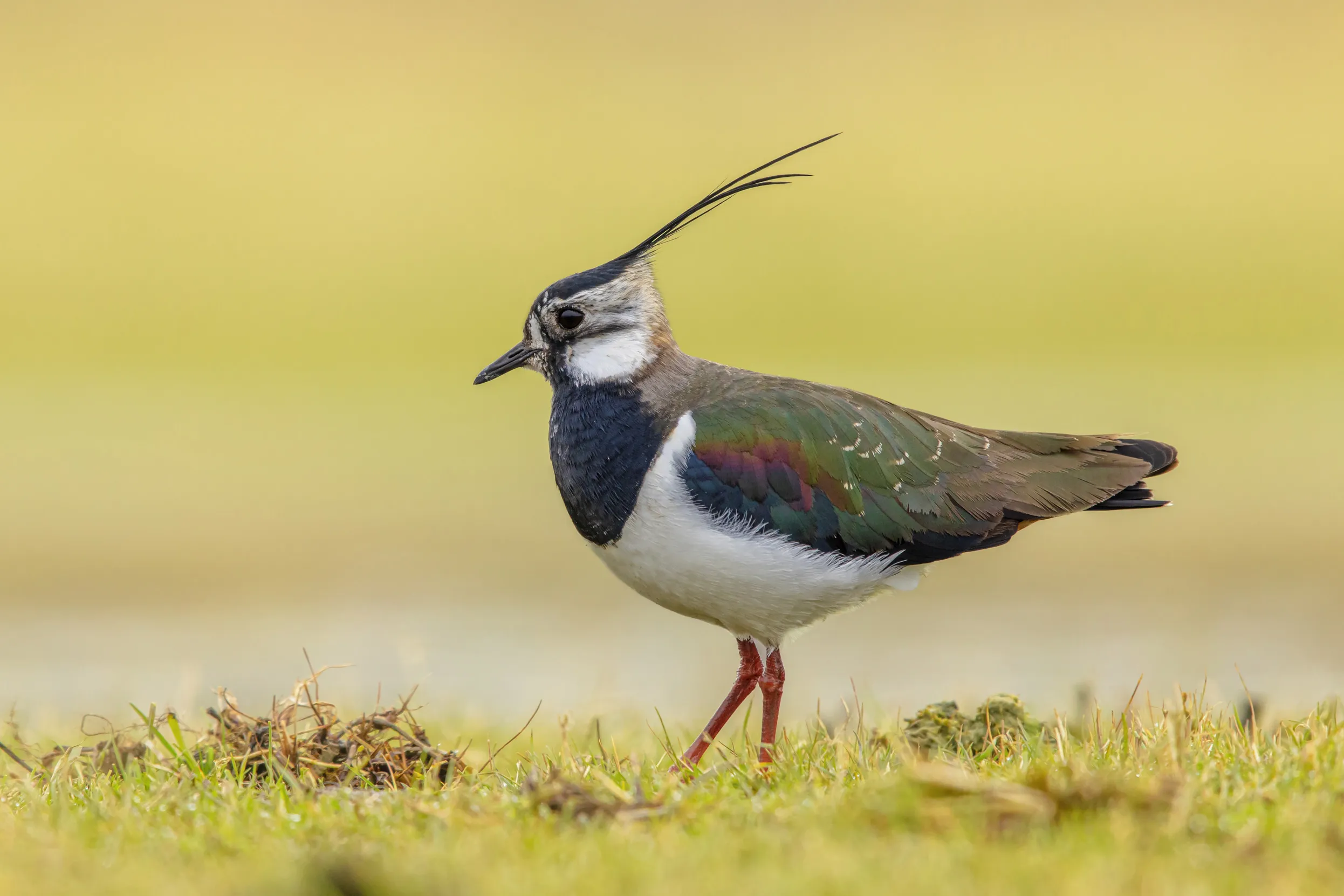
The name ‘lapwing’ relates to the way they fly – zigzagging through the skies. In the breeding season, the males really go to town with a tumbling and zooming flight to impress the females.
Sadly, numbers of Lapwings have declined by 55% since the 1960s. Part of this decline is due to changes in agriculture, so we’re working with farmers to create the best possible conditions for them to thrive. This involves maintaining suitable nesting habitats, and looking out for Lapwing nests when using large machinery.
Lapwings breed between mid-March and June. They nest on spring-tilled arable land or on short grassland with a low stocking rate. Birds with arable nests often walk their chicks onto grazed pasture to feed.
Lapwings feed mainly on earthworms, leatherjackets, insects and their larvae. They generally feed where they can find lots of these, such as in grazed pasture. Wet grassland is a particularly important source of food.
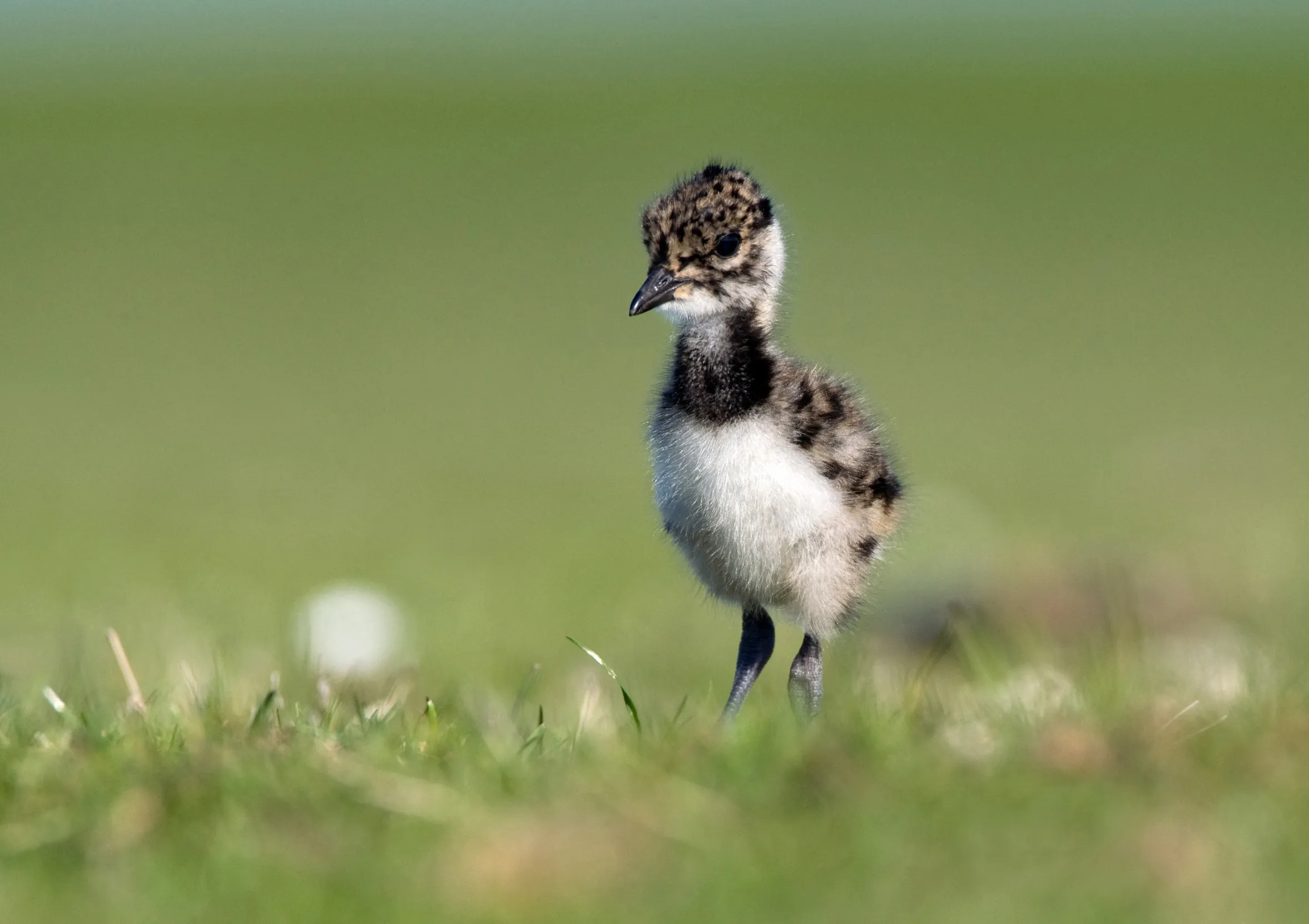
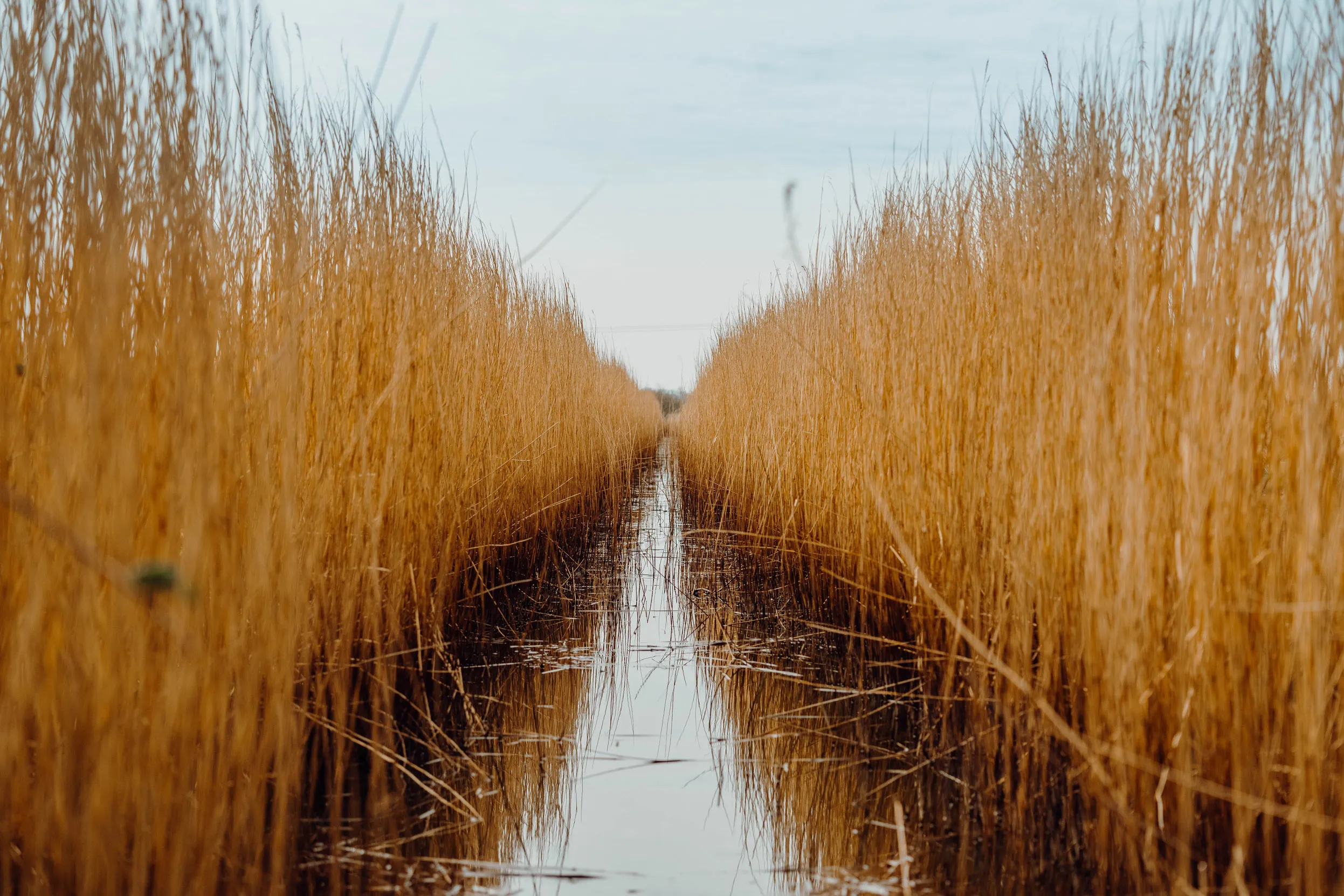
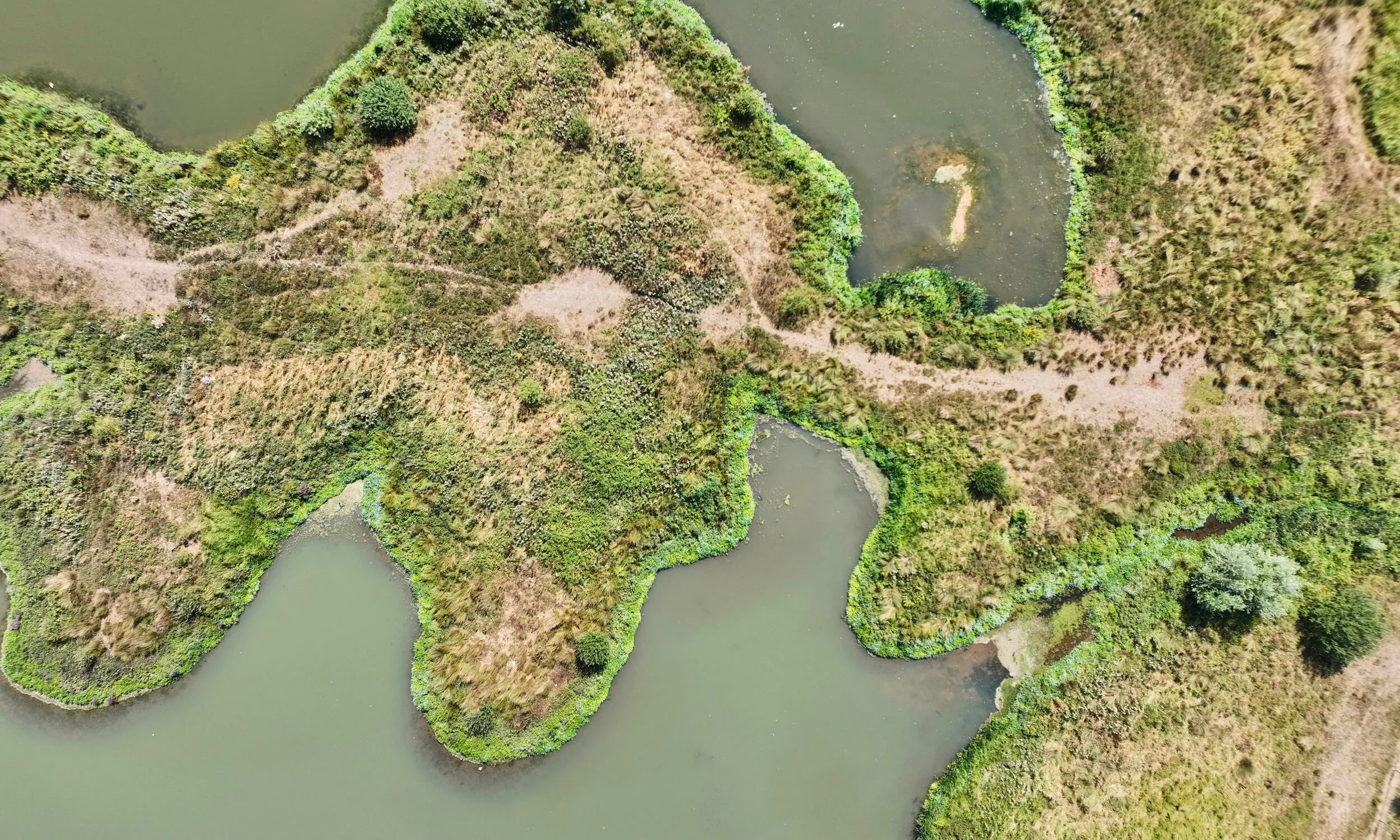
Peatlands, wet grasslands and machair provide vital homes for a range of wildlife, including Lapwings, Curlews, Hen Harriers and Marsh Fritillary butterflies. Many of these habitats are under threat from drainage, inappropriate grazing, lack of management and climate change.


Head outside and discover fascinating birds each month. Read on for top ID tips, what to listen for, and where to see them.








.jpg)