Follow a Puffin
Discover the sights, sounds and smells of a bustling seabird colony. Follow a Puffin as she returns from sea. With seabirds facing multiple pressures, we look at how you can help.
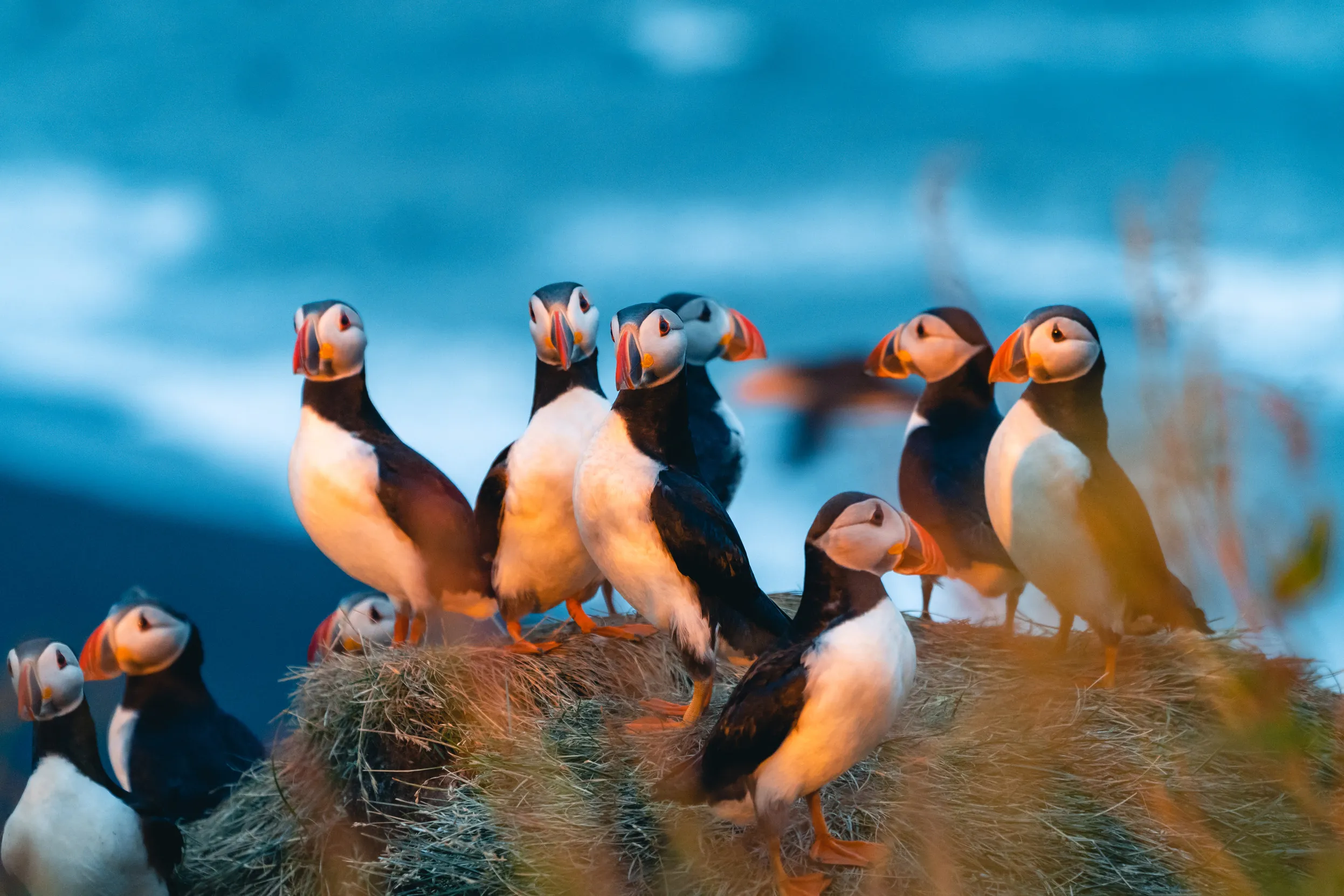
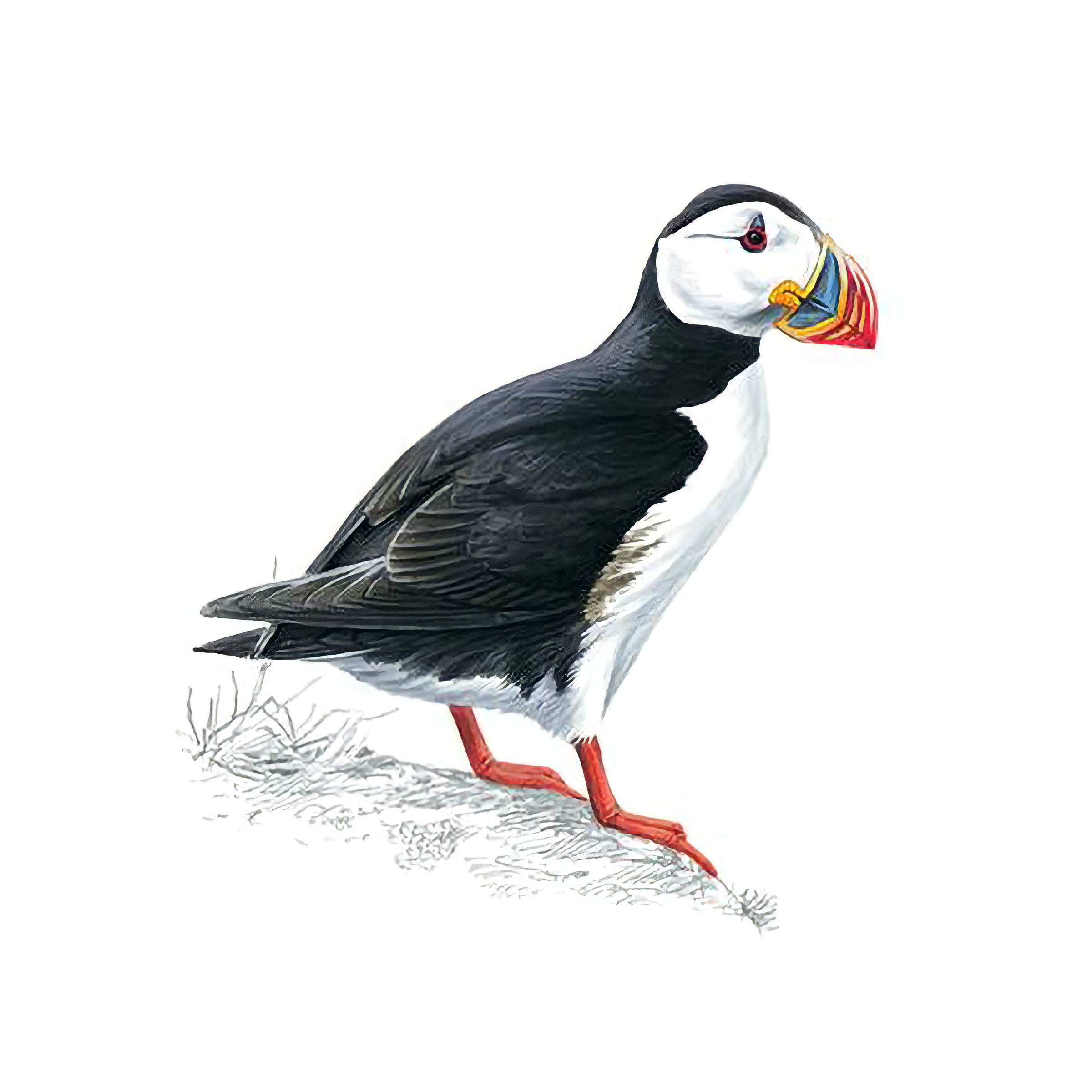

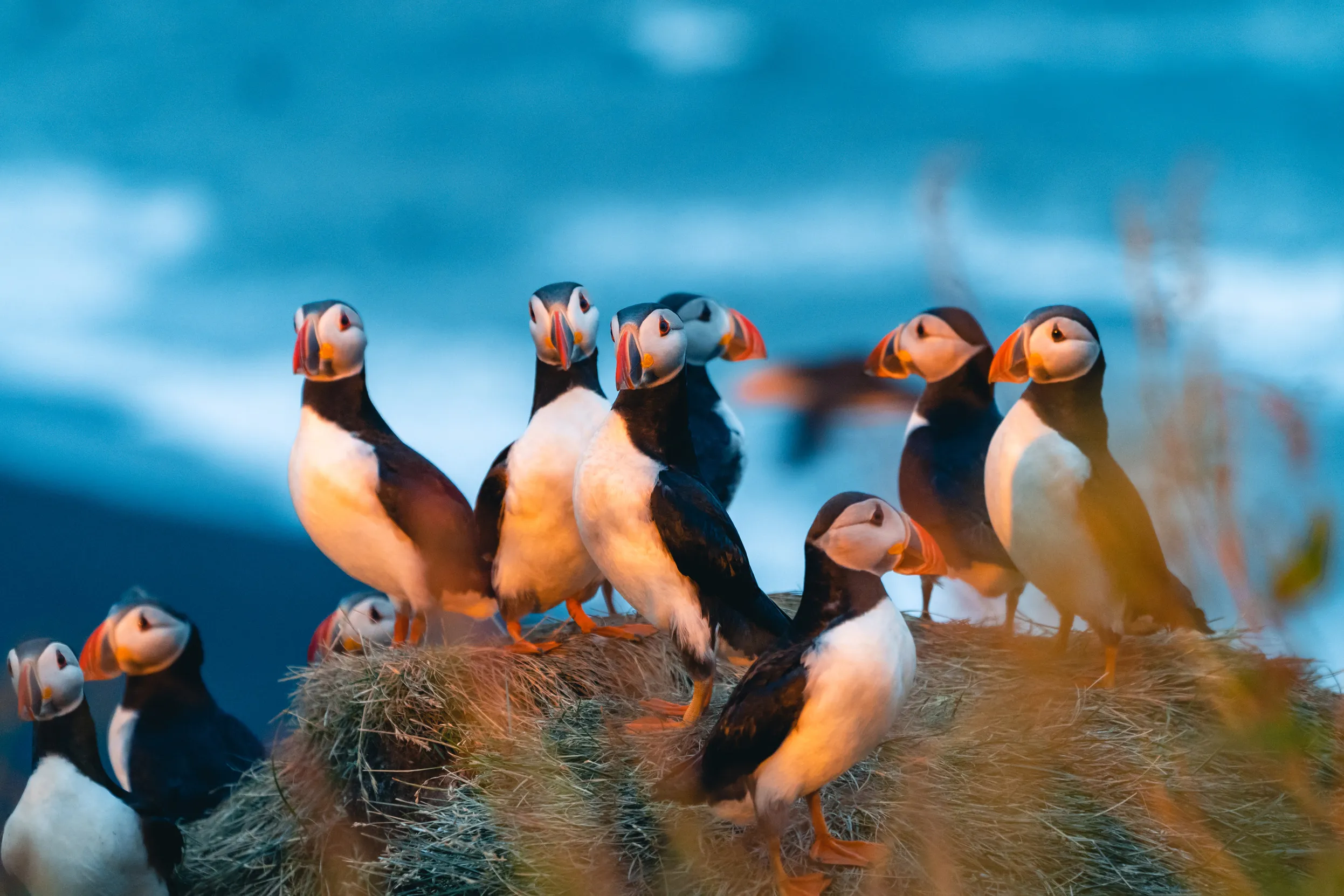
Nicknamed the clown of the sea, the Puffin – with its bright bill and paddle-like feet – is one of the UK’s most charismatic birds. But did you know these birds aren’t always quite so colourful?
We don’t often see them in their winter wear, as they’re usually far out at sea. Tracking studies have shown that these small birds overwinter a long way from any coastlines. Many of the UK's breeding birds venture right out into the Atlantic, while others stay in the North Sea.
Discover the sights, sounds and smells of a bustling seabird colony. Follow a Puffin as she returns from sea. With seabirds facing multiple pressures, we look at how you can help.
According to 2023’s Seabirds Count, the latest seabird census, 23% of Puffins have been lost from the UK in the past 20 years. They now feature on the Birds of Conservation Concern Red List and are at risk of global extinction.
Like Kittiwakes, Puffins have been heavily impacted by climate change and industrial-scale overfishing. In the southern parts of their range, like the UK, sandeels are a staple food for Puffins. In 2024, the UK banned industrial sandeel fishing in the English North Sea and all Scottish waters, offering a lifeline to Puffins and other seabirds. This followed years of campaigning by the RSPB and others, and we’re now working to defend the ban, after it was challenged by the EU.

We’re at risk of losing some seabird species in just a few decades. Be part of the team tackling their biggest threats.
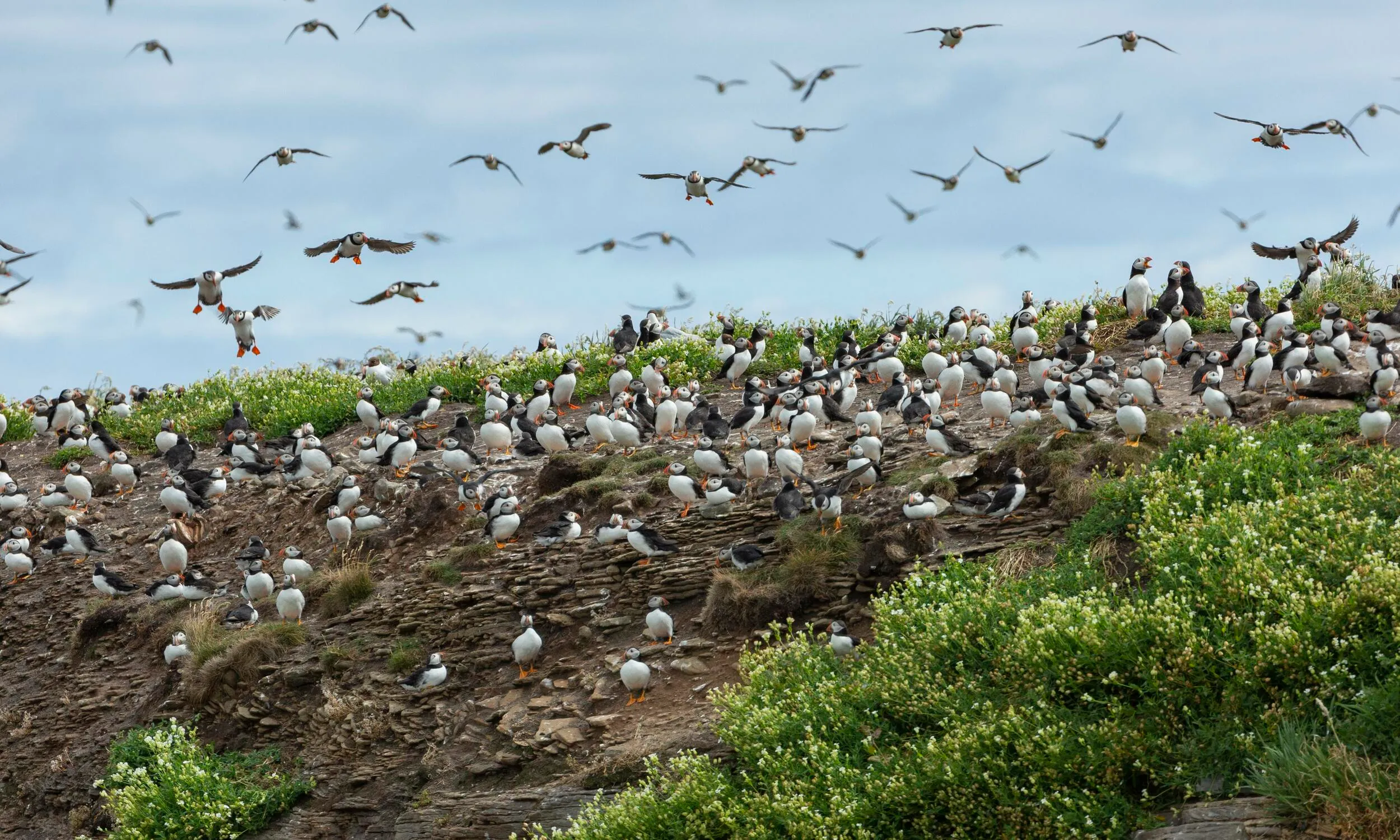
The UK is home to about 9% of Europe’s Puffins, which breed on islands and sea cliffs around our coasts. But their populations have been declining steeply.


Discover fascinating facts about these colourful and charismatic seabirds, and why they need our help.